Business & Tech
Tips on Buying a Historical Home in the Village
One of Babylon's most alluring traits is the bounty of historical homes. A Realtor offers up tips on what to check out before purchase.


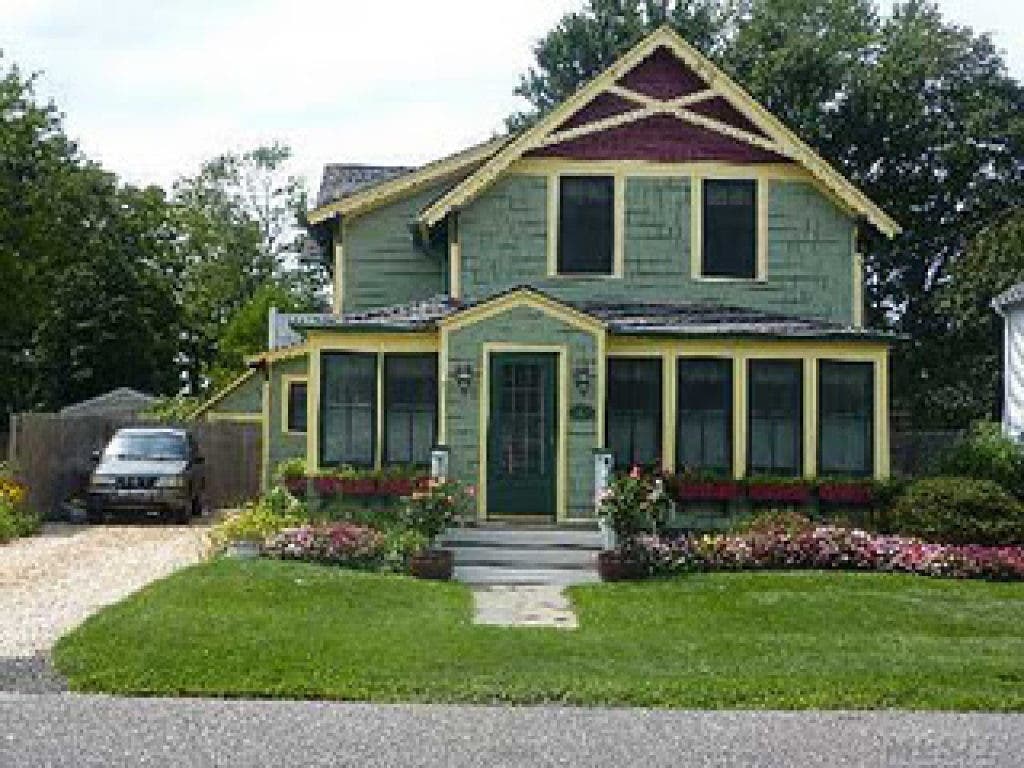
The following was authored by Kristin Schuster, a full-service Realtor and licensed sales associate, associated with Coldwell Banker Residential Homes located in Babylon Village. She writes a blog about home buying and real estate topics.
If you are looking to buy a home in Babylon Village, you will often come across some unique and historical homes.
Homes that are considered "historical" will normally have a plaque displaying the year it was built, and are registered with the historical society. For every one that displays the plaque there are just as many that are not recorded. You can find eight homes currently on the market that fits the criteria to be considered, but are not recorded.
Find out what's happening in Babylon Villagefor free with the latest updates from Patch.
When buying this kind of home there are a few key points that I always recommend buyers pay close attention to:
1. How is the foundation?
Find out what's happening in Babylon Villagefor free with the latest updates from Patch.
Old homes can have foundation issues which can be very costly to fix, and often is not a simply repair. Most historic homes are over 100 years old, so you must hire a reputable home inspector who knows about what to look for, such as signs of cracks and shifting in the foundation as well as mold, and other costly fixes. The most important room in a historical homes is first and foremost the basement. Many homes in Babylon Village will not have basements, only a crawl space so it is still important to have the inspector give it a thorough look through since there could be water damage from storms or termites.
2. How old is the wiring?
Many old homes still have the original knob-and-tube wiring. Although it works, it can be a fire hazard, and it will usually be covered by insulation especially in the attic. You will want to check and make sure the home has the correct ampage needed. Some home owners will upgrade the electric to the basic necessities so keep in mind if you plan on upgrading appliances, lighting, air condition systems, or pools you want to make sure the electric panel either has room for add-ons and can handle what your future plans will be.
3. How old is the plumbing?
If the house still has the orignal cast iron pipes, you might need to replace them because of mineral buildup, corrosion, or leaks. Make sure you home inspector checks any exposed piping to be sure they are working order.
4. How is the house heated?
Old radiators do add character to a home, but in today's economy oil is a very expensive way to heat a home. You can speak to the owners to get a realistic idea of what home heating costs will be. You can also find out from neighbors, or your real estate agent if the neighbors have converted to gas. If the neighbor has converted this is a good sign that you will be able to as well.
5. How is the roof?
In any home you will of course check the roof, but in a home that is over a 100 years old you want to not only make sure it does not need to be replaced but you will want to know how many layers of roofing there are, or at least have a good idea. The one wonderful incredible thing about a homeowner of a historic house, they usually have more background on the home than most.
Get more local news delivered straight to your inbox. Sign up for free Patch newsletters and alerts.