Politics & Government
Bronx River Cleanup Grants Awarded to Bronxville and Tuckahoe
The villages of Bronxville and Tuckahoe have been awarded more than $110,000 to implement water filtration systems at their public works yards.
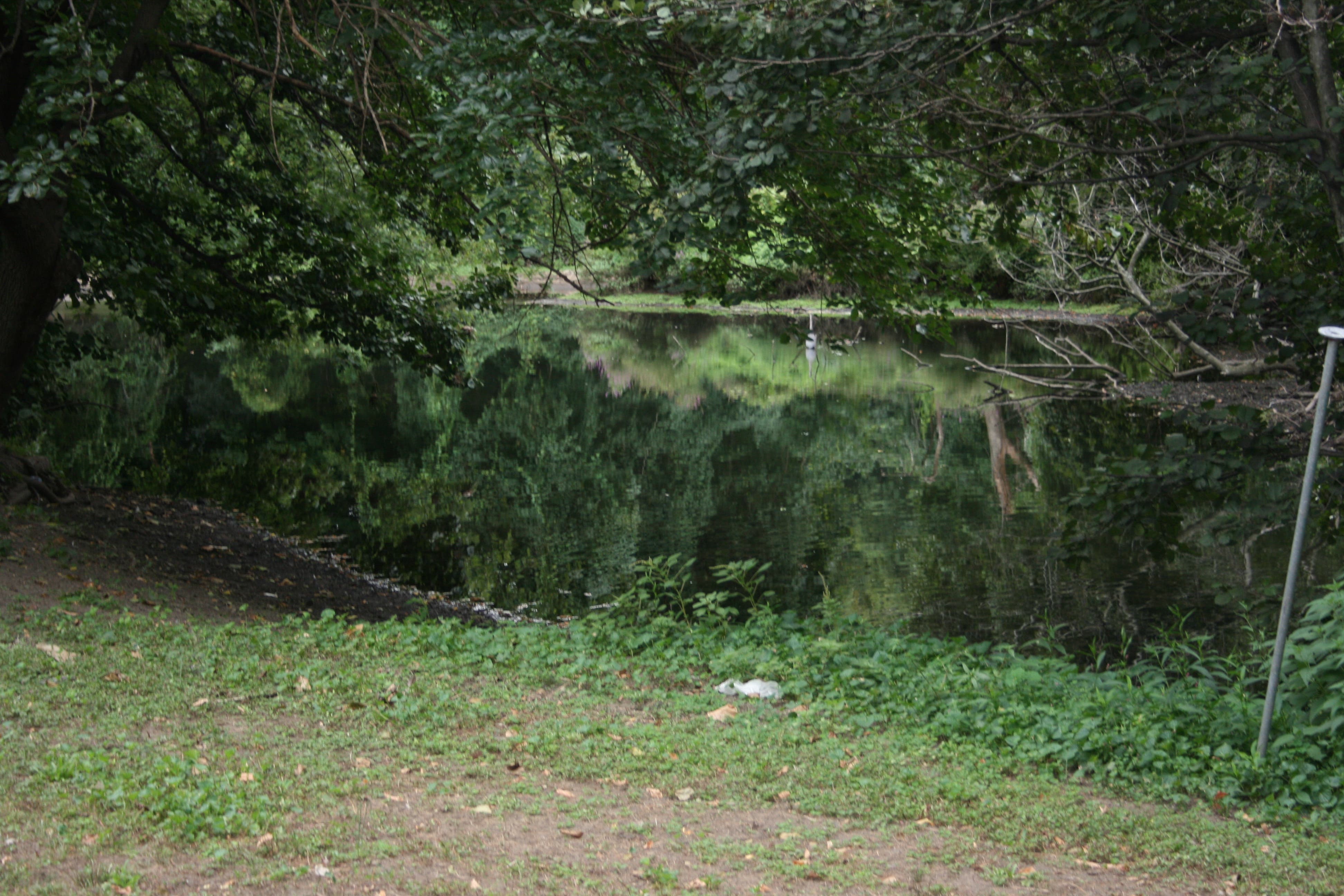
Earlier this month, Attorney General Andrew Cuomo announced that the villages of Bronxville and Tuckahoe received grants to implement water runoff filtration systems at their public works yards from the Bronx River Watershed Intiative.
The latest allotment of grants to municipalities and non-profits along the river increases the funding by $2.5 million for a total of nearly $9 million for efforts to reduce pollution in the Bronx River.
"We are working with community groups and local governments to bring new life to the treasured Bronx River, which for decades went untended and written off," said Cuomo in a release on the announcement.
Find out what's happening in Bronxville-Eastchesterfor free with the latest updates from Patch.
Partial funding for the clean-up initiative came from a 2006 settlement between then-Attorney General Elliot Spitzer and the cities of White Plains and Mount Vernon, the Town of Greenburgh, and the Village of Scarsdale. These municipalities were fined for dumping raw sewage into the Bronx River and were mandated to dedicate a total of more than $150,000 to reducing stormwater pollution.
The villages of Bronxville and Tuckahoe applied for the grants earlier this year and were awarded $53,425 and $60,000, respectively, to treat storm water discharges from their public works facilities. Bronxville will match the grant with a $14,000 investment and Tuckahoe will match $10,000.
Find out what's happening in Bronxville-Eastchesterfor free with the latest updates from Patch.
In 2007, Westchester County published the Bronx River Watershed Management Plan. It identified the public works yards in Bronxville and Tuckahoe as high-priority sources of pollution into the river. It also cited numerous public and privately-owned properties in Bronxville, Eastchester and Tuckahoe as sources of pollution and runoff into the river.
Bronxville Department of Public Works Superintendent Rocco Circosta said that the village is currently working with a design professional to outline the project and will then request bids.
"Hopefully we'll have it installed by next spring," said Circosta.
He explained that the catchment system "catches stormwater runoff from our facility and puts it in a basin, which has a sedimentation trap. The end result is that you have cleaner water going into the river."
Circosta said that the department has also implemented a salt line penetration system, which reduces the amount of salt used to cover streets during the winter. It is also planning to invest in hybrid trucks.
At the Tuckahoe Department of Public Works, Superintendent Frank DiMarco said that over the years all of the salt, oil, and soaps used by the department have entered the river's storm system.
The recent funding for a filtration project will filter those contaminants and purify the water entering the river, explained DiMarco.
"There's a lot of oil being washed from the surface of our pavement," he said. "Hopefully the filtration system will purify the water a bit."
The county has worked to reduce runoff at the Crestwood public works yard in Tuckahoe, another location where contaminated water was draining directly into the Bronx River, according to Robert Doscher, the county's principal environmental planner.
A runoff pipe at the Crestwood facility that was pouring maintenance yard water directly into the river was redirected into a nearby wetland, where filtration is facilitated by "biological and chemical agents that can break down the pollutants," Doscher explained.
He added that while water contaminants from public works yards like oil and salt are detrimental to water quality in the Bronx River, various forms of bacteria are also a cause for concern.
From 2006 to 2007, the county tested water at seven different sites along the Bronx River monthly for 13 months.
At Dewitt Avenue and Paxton Avenue in Bronxville, where the Grassy Sprain Brook meets the Bronx River, the water quality tests found fluctuating levels of coliform, fecal coliform, E.coli and enterococcus.
The sampling also found phosphorous and ammonia in the water, though the levels of both of these chemicals decreased slightly over the course of the testing. Phosphorous is commonly found in soaps used to wash public works vehicles, but a new state law bans the sale of soaps that contain phosphorous.
DiMarco said the filtration system at the Tuckahoe municipal yard is part of a larger effort by the DPW to implement eco-friendly policies like installing converters in sanitation trucks so they can run on vegetable oil.
"If we can implement a different goal every month or so, I think it would be great for the village. This is only the beginning," said Dimarco.