Politics & Government
Bronxville Considers New Law for Solar, Wind and Water Systems
A public hearing will be held at the September 13 Board meeting to discuss a new law covering renewable energy systems.
Renewable energy is no longer the wave of the future. And after a six-month moratorium on solar panel installations, the Village of Bronxville has drafted a renewable energy law.
The Board will hold a public hearing on the proposed law, which also covers energy generating systems, at the September 13 meeting.
According to Village Administrator Harold Porr, both the moratorium and the proposed law are proactive steps.
Find out what's happening in Bronxville-Eastchesterfor free with the latest updates from Patch.
"We want to do whatever we can to be eco-friendly. We're trying to get ahead of the curve doing good things for the environment and saving money," Porr said.
No residential or commercial projects were hampered by the moratorium and there had been no prior complaints related to energy features. The moratorium covered visible projects like solar panel installations and was intended to allow time for study by Village Engineer Vince Pici and Village Attorney James Staudt. The newly proposed law also covers systems that generate surplus power for structures.
Find out what's happening in Bronxville-Eastchesterfor free with the latest updates from Patch.
"At some point down the line, we felt there would be interest in these kinds of projects," said Porr.
Maintaining the quality of life in Bronxville was a key factor. "One concern was the aesthetic integrity of our neighborhoods," said Porr.
The goal of the new law is to preserve design while enhancing function. Since many of the homes and commercial structures in Bronxville are unique and historically significant, the Village concern was that well-intentioned efforts to protect the environment didn't create eyesores or bother neighbors.
Solar panels, wind turbines and water geothermal systems are among the efficiency features covered by the new law. By harnessing the potential energy of natural elements like sun, wind and water, private residences and commercial properties can drastically reduce maintenance costs and even generate surplus power.
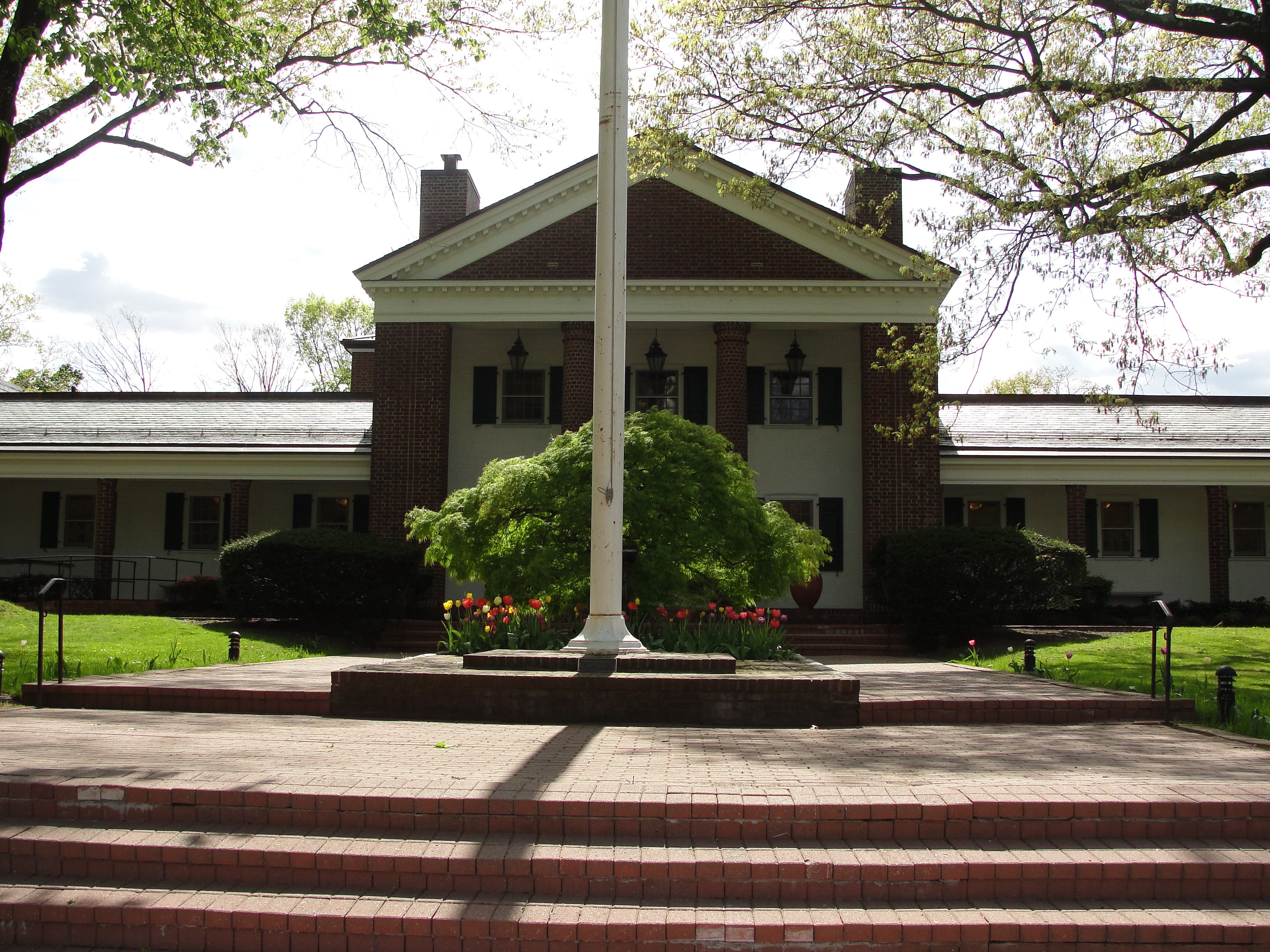
Architect Peter Gisolfi was at the helm of renovations to Bronxville Village Hall two years ago and has incorporated renewable energy systems into many institutional and residential projects.
A lot of insight into the value and desirability of the renewable energy features was gained during the renovation. Originally constructed in 1942, the building lacked insulation and air conditioning before its renovation was completed two years ago.
The building now has a geothermal energy system consisting of twenty closed loop wells that circulate fluid throughout the building and into the ground, extracting heat in the winter and rejecting it the summer.
"It's exactly like your refrigerator," said Gisolfi. He further explained that since the temperature just below ground is constant at about 55 degrees Fahrenheit, the system greatly reduces the amount of energy required to heat and cool the building all year round.
With additional improvements like insulation and double-paned windows, Gisolfi says the village is saving about 30% on electricity from ConEdison. They also have the option of adding an energy -producing system like solar or wind power in the future.
Gisolfi has done geothermal systems for two residences in Bronxville and is currently designing another for a home in Mount Vernon.
"For the private residence, only three wells were required," he said. "The cost is somewhere between $35 to $45,000. But there are tax credits. It should pay for itself in about ten years."
Gisolfi believes that as more people learn about the technology, they will be less intimidated and more interested in installing them. He conceded that features like rooftop solar panels did require design attention, but was confident they could be incorporated in a manner that was not distracting or unattractive.
"Rooftop panels should have a southern facing and they should be concealed by the leaves," he explained.
While rooftop panels look like black glass, solar collectors can also be incorporated as glass walls. Other energy producing systems, like geothermal systems, shouldn't present design issues.
"Nobody will see a thing," said Gisolfi. The Village Hall and residential geothermal systems he designed are entirely underground.
According to the Department of Energy, energy efficiency retrofitting like the renovations to the Village Hall— airtight ducts, windows and doors, heating and cooling systems, insulation and caulking—can reduce energy use by up to 40% per home and cut energy bills by $40 billion annually.
The agency is also moving to encourage homeowners and businesses to adopt alternatives that will make the country less dependent on oil. The Office of Energy Efficiency and Renewable Energy is partnering with local governments and private sector groups to encourage adoption of new technologies like solar, water, geothermal, and wind energy as well as bio-fuels and hybrid vehicles.
View a copy of the law here or in the PDF document attached to this article.