Politics & Government
'Shall There Be A Convention To Revise The Constitution?': Mayor
New York State has adopted five constitutions in its history.


Written by Mayor Mary Marvin:
Per the language of the New York State constitution (Article 19, Sec 2), every 20 years voters are asked the seemingly simple ballot question; “Shall there be a convention to revise the constitution and amend same?”
That time is upon us again. The question will be on the ballot this coming November and if passed then a full two year process begins culminating in a voter referendum on proposed amendments.
Find out what's happening in Bronxville-Eastchesterfor free with the latest updates from Patch.
The last time voters cast a ballot on the subject they rejected the call for a constitutional convention.
As background, the New York State Constitution is the fundamental governing document of the State of New York. It consists of a preamble followed by 20 articles. Nothing in a state constitution can diminish rights guaranteed by the US Constitution, but being much more detailed than its Federal counterpart, state constitutions can adopt rights and policies not contained in the Federal document including anti-discrimination provisions, education rights and care for the needy and persons with disabilities.
Find out what's happening in Bronxville-Eastchesterfor free with the latest updates from Patch.
New York State has had five constitutions adopted in 1777, 1821, 1846, 1894 and 1938 with the 1938 version remaining the current central governing document of the State.
Seemingly innocuous, this vote to have a deliberative discussion vis a vis the formation of a convention is now a major focus of most lobbying groups in Albany.
A consortium of groups including public and private organized labor, environmentalists and conservationists who did not want to see the “forever wild” provision ever repealed, social welfare advocates and fiscal conservatives who want to keep existing state debt limits in place and government watchdog groups who just didn’t want to “spend millions of dollars to hold a party in Albany” were the forces that tipped the scales against a positive convention vote last go round.
Those in favor of a constitutional convention believe that only a constitutional convention can deal with the fundamental structures and powers of the Legislature which in their view are long overdue for reform.
Their main arguments for a convention and ensuing amendment recommendations include:
- Lobbyists will have less influence over most of the delegates who will never run for a public office vs sitting legislators.
- The cost of $5 per resident is relatively deminimis.
- Addressing issues that historically the State Legislature won’t touch: creating a truly independent redistricting commission; a total ban on gerrymandering of any type; term limits for Legislative members, party leaders and committee chairs; and real campaign financing reform.
As example, a constitutional amendment could establish a permanent Commission on Public Ethics which would have real investigatory and penalty powers which would apply to all branches of state government and public authorities.
Those against the idea of the convention cite the following:
- It could be a Pandora’s Box — outcomes can’t be predicted, everything could be fair game and change will be affected by the political environment du jour.
- There is already a mechanism for the existing Legislature to pass any needed amendments. The constitution can be amended in two ways. The first is through the passage of individual bills to amend specific language by two separately elected state Legislatures. If passed, such bills would then appear on the following November ballot as a referendum. Most recently this process was undertaken in 2014, and it has been used 200 times since the last major constitutional revision in 1894. It works.
- The same lobbyist who control Albany now will control the convention as well.
As point of interest the following were the top lobbying spenders in Legislative year 2015:
Charter School Proponents — $5.65 million
New York State United Teachers/Union of University Professors — $5.17 million
Tax Credits for non-public schools — $5.0 million
Building Trades — $4.34 million
Real Estate Board of New York — $1.99 million
Greater New York Hospital Association — $1.43 million
- Sitting Legislators would dominate the convention as they do state government so in essence same old, same old. (Only 13 out of 186 delegates in 1967 were sitting legislators but the 13 were all of the important legislative leaders.)
What is critical to advocates on both sides is the premise that many rights and benefits currently enjoyed by New York State residents would be fair game for discussion and possible change at a State Convention.
Of primary importance to some constituents include the prohibition of a reduction in public pension benefits; right to workmen’s compensation and right to be a member of a union and bargain collectively. Currently all of the above are part of our constitution and some fear provisions could be diluted.
Conversely, many groups who seek change in New York see a Constitutional Convention as a chance to upend business as usual.
Some constituencies want more education access and affordability, others want to deepen our commitment to clean air and water, while others believe the needy are not currently adequately protected. Others see it as a chance for judicial reform, affirmation of privacy and reproductive rights, and stronger equal rights protections.
This referendum vote could very well be the most far reaching and impactful decision made in the State for many years to come. A close read of the ramifications is so worth the time.
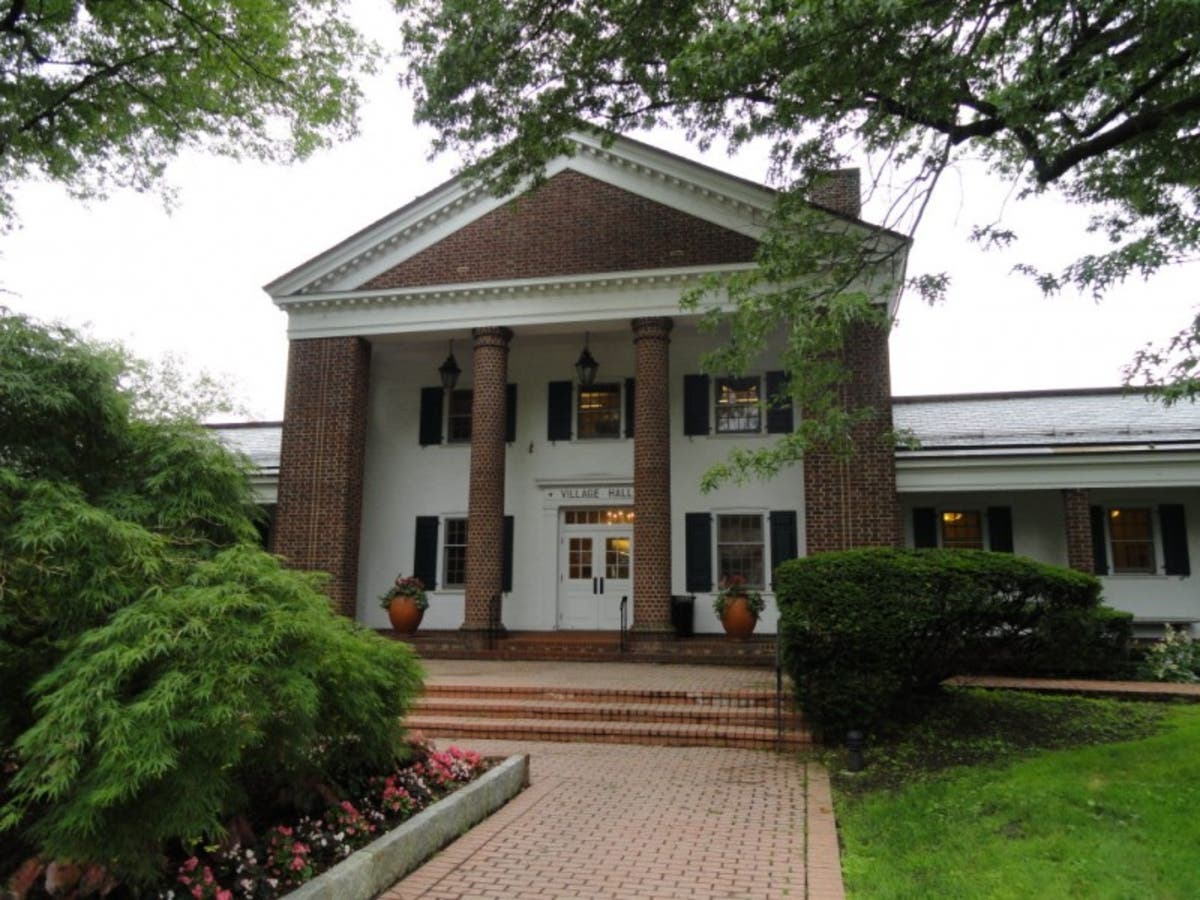
Photo credit: Google Maps.
Get more local news delivered straight to your inbox. Sign up for free Patch newsletters and alerts.