Buffalo, NY|Local Classified|Announcement|

The Most Common Reasons Commercial Kitchen Exhaust Systems Become Fire Risks in Rochester, NY
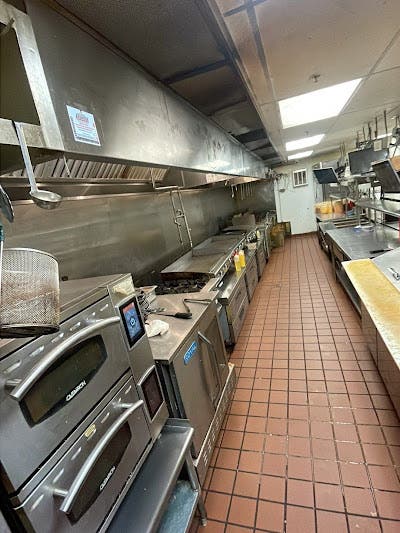
Commercial kitchens throughout Rochester work hard every day. From restaurants near downtown and the East End to busy establishments in Greece, Irondequoit, Henrietta, and Pittsford, kitchen exhaust systems play an important role in keeping operations safe and functional.
Most restaurant owners understand that cooking produces heat, smoke, and grease. What is often overlooked is how quickly these byproducts can accumulate inside an exhaust system. Over time, this buildup can turn a critical safety system into a significant fire risk.
Understanding the most common causes of exhaust-related fire hazards can help business owners recognize problems before they lead to costly damage or operational disruptions.
Grease Accumulation Inside the System
The most common fire risk in commercial kitchen exhaust systems is grease buildup.
As cooking equipment operates, grease-laden vapors rise into the hood system. While filters capture some of this material, small grease particles continue traveling through the ductwork and exhaust components.
Over time, layers of grease begin accumulating on interior surfaces.
This buildup becomes dangerous because grease is highly combustible. If a cooking flare-up occurs, flames can spread into the exhaust system and ignite accumulated deposits.
The greater the buildup, the greater the potential fire risk.
Infrequent Cleaning and Maintenance
Many exhaust system problems begin with delayed maintenance.
Busy restaurant schedules often make it easy to overlook areas that are not visible during daily operations. Because much of the exhaust system is hidden above ceilings and inside ductwork, grease accumulation can continue for months without attracting attention.
Regular cleaning helps remove these deposits before they become hazardous.
Without routine maintenance, grease levels can increase throughout:
- Exhaust hoods
- Filters
- Ductwork
- Exhaust fans
These areas all play a role in reducing fire risk.
Blocked or Restricted Airflow
Kitchen exhaust systems are designed to move heat, smoke, grease vapors, and cooking byproducts safely out of the building.
When airflow becomes restricted, several problems can occur.
Common causes include:
- Grease-coated filters
- Obstructed ductwork
- Damaged exhaust components
- Poor ventilation performance
Restricted airflow allows heat and grease concentrations to increase within the system, creating conditions that can contribute to fire hazards.
High-Volume Cooking Operations
Certain cooking methods naturally generate more grease and smoke than others.
Operations involving:
- Frying
- Grilling
- Charbroiling
- High-temperature cooking
typically produce larger amounts of grease-laden vapor.
Hidden Grease in Ductwork
One reason exhaust-related fires remain a concern is that much of the grease buildup occurs out of sight.
While kitchen staff may regularly clean visible hood surfaces, grease can continue accumulating deeper inside the system.
Hidden deposits often develop within:
- Vertical ducts
- Horizontal duct runs
- Fan housings
- Exhaust fan blades
Because these areas are not visible during normal operations, problems can go unnoticed for extended periods.
Fire Suppression Systems Are Sometimes Overlooked
Many commercial kitchens rely on fire suppression systems as part of their overall safety strategy.
However, suppression equipment requires periodic inspection and maintenance to remain effective.
Issues such as:
- Blocked nozzles
- Damaged components
- Missed inspections
can reduce system performance during an emergency.
Seasonal Business Demands Can Increase Risk
Restaurants often experience periods of increased activity throughout the year.
Busy weekends, holiday seasons, special events, and tourism-related traffic can place additional demands on kitchen equipment.
Higher cooking volumes usually produce:
- More grease vapors
- Increased heat
- Faster buildup inside exhaust components
Without attention to maintenance schedules, these busy periods can accelerate the development of fire hazards.
Final Thoughts
Commercial kitchen exhaust systems are designed to improve safety, but they can become fire risks when grease, heat, and maintenance issues are allowed to accumulate over time.
In Rochester restaurants, the most common causes of exhaust-related fire hazards include grease buildup, restricted airflow, hidden duct contamination, heavy cooking volumes, and overlooked maintenance. Many of these problems develop gradually and remain unnoticed because they occur inside components that are not visible during daily operations.
Advanced Hood Cleaning Solutions
Address: 7358 Richmond Mills Rd, Livonia, NY 14487, United States
Phone: 585-991-8750
Visit: https://advancedhoodsolutions.com/hood-cleaning-east-rochester/