Carroll Gardens-Cobble Hill, NY|Local Classified|For Sale|

Pellet Plant Project: Building Efficient Biomass and Feed Production Systems
Introduction
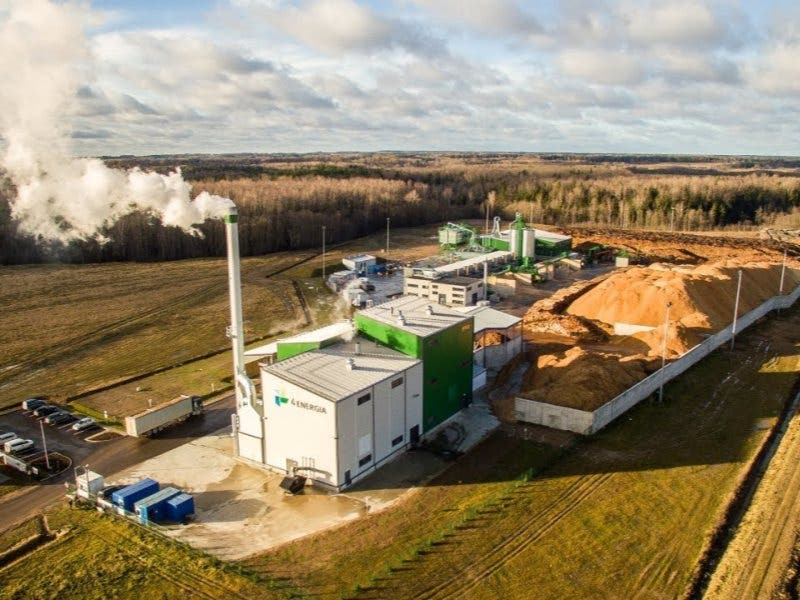
A well-planned pellet plant project is the foundation for efficient biomass fuel or animal feed production. As global demand for renewable energy and high-quality feed continues to rise, investing in a modern pellet plant offers significant long-term benefits. From raw material preparation to final pellet packaging, every stage must be carefully designed to ensure stable operation and maximum output.
Key Components of a Pellet Plant
A complete pellet plant project typically includes several essential systems: raw material handling, drying, grinding, pelleting, cooling, and packing. Each stage plays a critical role in determining the quality and consistency of the final product.
At the core of the system is the pelleting section. A high-performance pellet machine for sale ensures that raw materials are compressed into uniform, durable pellets with optimal density. This not only improves storage and transportation efficiency but also enhances combustion performance or feed utilization.
Designing for Efficiency and Flexibility
One of the most important aspects of a successful pellet plant project is flexibility. Different raw materials such as wood chips, rice husk, straw, or agricultural residues require specific processing conditions. A well-designed system allows operators to adjust parameters like moisture content, particle size, and compression ratio.
For investors targeting regional markets, selecting equipment suited to local conditions is essential. For example, businesses exploring opportunities in Africa may consider a pelletizer machine for sale south africa to match regional biomass resources and market demand. This localized approach helps maximize return on investment and ensures sustainable operation.
Technology and Automation Advantages
Modern pellet plants are increasingly adopting automation and smart control systems. These technologies allow real-time monitoring of production parameters, reducing human error and improving efficiency. In addition, energy-saving designs help lower operating costs while maintaining high output levels.
Reliable equipment suppliers often provide complete solutions, from layout design to installation and commissioning. If you want to explore more project configurations and successful case studies, you can visit the best site for detailed insights and technical support.
Market Potential and Business Opportunities
The global pellet market continues to expand due to stricter environmental regulations and the transition toward renewable energy. A well-executed pellet plant project can serve multiple industries, including power generation, heating, and animal feed production.
Investing in a high-quality pellet machine for sale allows businesses to produce pellets that meet international standards. This opens up opportunities for export and long-term contracts, especially in regions with strong demand for clean energy solutions.
Conclusion
Launching a successful pellet plant project requires careful planning, reliable equipment, and a clear understanding of market needs. By integrating advanced technology and optimizing each stage of production, businesses can achieve high efficiency, consistent quality, and sustainable growth. With the right strategy, pellet production becomes a profitable and future-oriented investment.
(Related Post: biomasspelletizer.com/pellet-plant-project/)