Carroll Gardens-Cobble Hill, NY|Local Classified|For Sale|

Beet Pulp Pellet Machine: Advanced Solution for Efficient Feed Pellet Production
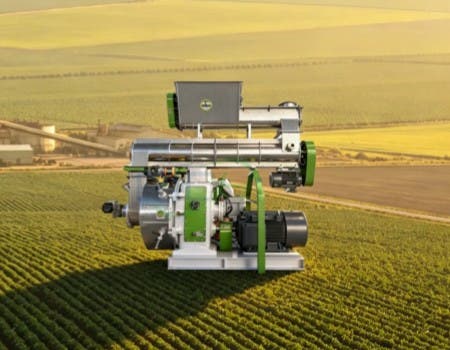
Introduction to Beet Pulp Pelletization Technology
In modern animal feed and biomass processing industries, efficient utilization of agricultural by-products has become increasingly important. Among these materials, beet pulp stands out due to its high fiber content, excellent digestibility, and wide availability from sugar processing plants. Converting this material into uniform pellets significantly improves storage, transportation, and feeding efficiency.
A beet pulp pellet machine plays a crucial role in transforming loose beet pulp into dense, durable pellets suitable for cattle, sheep, and other livestock feed applications. By applying controlled pressure and temperature, the machine enhances the nutritional usability and commercial value of beet pulp.
Working Principle and Process Optimization
The beet pulp pelleting process typically involves crushing, drying, conditioning, and pelletizing. Moisture content control is particularly critical, as excessive humidity can reduce pellet hardness, while overly dry material may affect forming efficiency.
High-quality pellet systems are often integrated with preprocessing equipment to ensure stable production performance. For example, a high efficient forage chopper for sale can significantly improve raw material preparation by reducing particle size and ensuring uniform feeding into the pelletizing chamber. This step enhances overall machine efficiency and reduces wear on core components.
Inside the pelletizing chamber, rollers and a die system compress the beet pulp under high pressure. Heat generated during this process naturally binds fibers, forming compact pellets without the need for chemical additives.
Key Advantages of Beet Pulp Pellet Machines
One of the primary benefits of using a beet pulp pellet machine is improved feed density. Loose beet pulp occupies large storage space, while pelletized form reduces volume by up to 60%, making logistics more cost-effective.
Additionally, pellets provide better palatability for livestock and reduce feed waste. The uniform shape also ensures consistent nutrient distribution in every feeding cycle.
Modern systems are designed with automation features that allow continuous operation, reducing manual labor and increasing production efficiency. This makes them suitable for both small farms and large industrial feed plants.
Applications in Feed and Biomass Industries
Beet pulp pellets are widely used in cattle feed formulations due to their high fiber content and digestibility. They are often blended with other ingredients such as corn, soybean meal, and wheat bran to create balanced rations.
Beyond animal feed, beet pulp pellets are also used in biomass fuel applications. Their low ash content and stable combustion characteristics make them a viable renewable energy source.
For enterprises looking to expand production capabilities, integrated pellet production lines offer a complete solution from raw material processing to final pellet packaging. If you want to explore equipment configurations and technical solutions, you can discover here tailored system options for different production scales.
Equipment Quality and Manufacturer Support
Selecting the right equipment supplier is essential for long-term operational stability. A reliable manufacturer ensures not only machine durability but also technical support, spare parts availability, and production optimization guidance.
Companies such as Richi manufacture provide complete pellet production solutions, including design customization, installation support, and process training. Their systems are widely applied in feed mills and biomass energy projects across global markets.
Conclusion
The beet pulp pellet machine represents an efficient and sustainable solution for converting agricultural by-products into high-value feed and energy resources. With proper preprocessing, optimized pelletizing technology, and reliable equipment support, producers can significantly improve productivity and profitability.
As demand for eco-friendly feed and renewable biomass continues to grow, investing in advanced pellet production systems becomes a strategic choice for modern agricultural enterprises.