Carroll Gardens-Cobble Hill, NY|Local Classified|For Sale|

Cat Litter Pellet Machine: Choosing the Right Production Setup
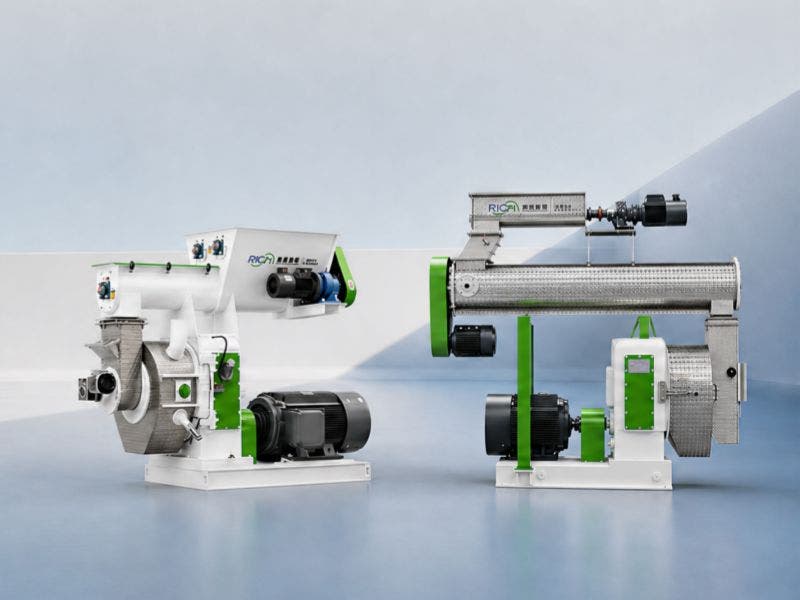
The cat litter market has expanded beyond traditional clay products. Wood, tofu residue, paper fiber, and other plant-based materials are now used to produce different types of litter. For businesses considering local production, choosing suitable processing equipment is an important step. A cat litter pellet machine can help turn prepared raw materials into consistent pellets, but the right configuration depends on the material and final product.
Start With the Raw Material
Different materials require different preparation methods. Sawdust and wood fiber may need crushing and drying before pelletizing, while tofu residue or soybean fiber may require mixing and moisture adjustment. Paper-based litter can require shredding and impurity removal.
Bentonite and other mineral materials have different physical properties and should be evaluated separately. Therefore, buyers should provide information about raw material type, moisture, particle size, and expected pellet diameter before selecting equipment.
Consider the Complete Process
The pellet machine is only one part of a production system. Depending on the material, a typical process may include crushing, drying, mixing, pelletizing, cooling, screening, and packing.
For example, wet sawdust may require a dryer before pelletizing, while properly prepared dry material may need fewer processing stages. Published RICHI equipment information indicates that suitable cat litter pelletizing configurations can cover capacities from small-scale production to larger commercial operations.
Choose Capacity Based on Demand
Production capacity should match realistic sales demand and raw material availability. A small pet-product business may prefer a compact line for regional distribution, while an established manufacturer may require continuous automated production.
Pellet diameter is another important consideration. Different cat litter products may use different pellet sizes depending on their material, absorbency, clumping characteristics, and intended market.
What Should Buyers Ask?
Before purchasing equipment, buyers should ask several practical questions:
- What preparation is required for the selected raw material?
- What capacity can the machine achieve with this specific material?
- What pellet sizes can be produced?
- Is drying required?
- Which auxiliary machines are included?
- What power and factory space are required?
- Can the system be expanded later?
These questions make it easier to compare complete solutions instead of comparing machine prices alone.
Building the Right Production Solution
There is no single configuration suitable for every cat litter project. A wood-based litter line may be designed differently from a tofu or paper litter line. Manufacturers should therefore select equipment around their raw materials, target product, capacity, and market requirements.
Companies researching different equipment options can also review Richi Pellet Machine solutions to understand how pelletizing systems can be configured for different materials and production scales.
A clear production plan before purchasing equipment can help reduce unnecessary investment and create a more practical manufacturing process.