Health & Fitness
Vegetables are powerful medicine
Learn more in free programs from Northern Westchester Hospital on Cooking for Reducing Disease Risk


As science increasingly recognizes the role diet plays in prevention and good health, physicians and nutritionists are encouraging patients to make vegetables a significant portion of their daily intake. However, many people do not realize the specific health benefits of different vegetables and are unsure of how to prepare and use them in their diets.
“Vegetables are powerful medicine,” says Amy Rosenfeld, MS RD CDN, community outreach program manager at Northern Westchester Hospital. “Vegetables contain fiber and nutrients that help reduce the risk for and improve many chronic disease states such as heart disease. It’s critical that we educate patients about the benefits of fruits and vegetables, and show them practical ways to incorporate produce into their diet. It’s especially important to provide help to patients who face food insecurity.”
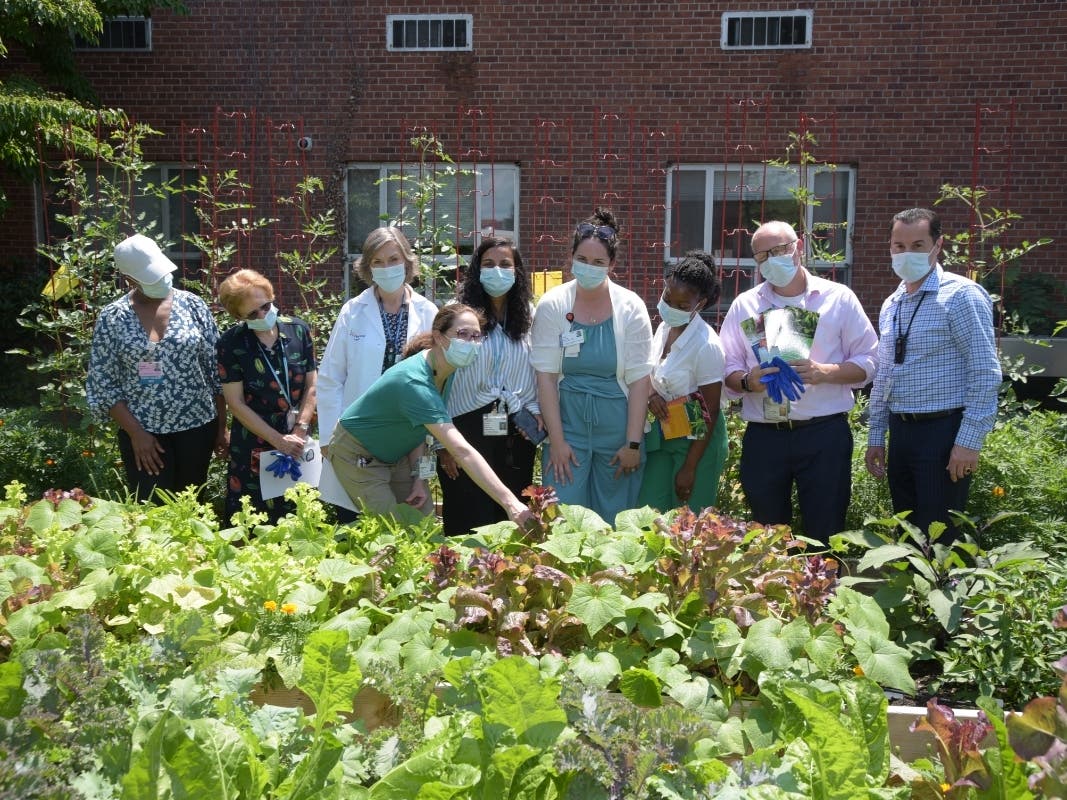
At Northern Westchester, for example, the hospital has created a Wellness Garden that serves as a sanctuary for hospital staff, who plant, weed and harvest the garden on a voluntary basis. “Garden work helps team members to destress outside, learn new skills and during the pandemic, it allows them to enjoy time outside with colleagues,” notes Rosenfeld. Vegetables from the garden are “prescribed” to patients who face food insecurity and when these patients are discharged, the hospital’s registered dietitians provide them with samples of the produce, health information about the nutritional benefits and instructions on how to prepare the produce.
Find out what's happening in Chappaqua-Mount Kiscofor free with the latest updates from Patch.
“Adding vegetables into a diet can really make an impact on how people feel and function,” says Rosenfeld. “We want people to understand that vegetables are not only important for your health—but are also delicious, enjoyable, and easy to prepare.”
Here are Rosenfeld’s tips on the health benefits of vegetables and how to incorporate them into your diet:
Find out what's happening in Chappaqua-Mount Kiscofor free with the latest updates from Patch.
- Dark, leafy green vegetables are available year-round and have many vitamins and nutrients that support brain health, strong bones, and may lower the risk of cancer and heart disease. Leafy greens also are a great source of fiber, which helps you stay full, go to the bathroom regularly, and prevent high blood sugar. To prepare, chop well and cook with eggs, or add to soups, stews, pizza and sauces. Greens can be combined with frozen fruit, and dairy or yogurt to make smoothies, or chopped and added to stir fries. They can also be added to sandwiches, or you can use large leaves to make wraps. Great green leafy veggies to try include spinach, Swiss chard, arugula, bok choy, and kale.
- Cucumbers and eggplants contain vitamins and minerals that support heart and bone health and reduce inflammation. They are filled with fiber, which can reduce the risk for diabetes and heart disease, regulate bowel movements, and keep you full longer. Eggplants are a great meat substitute in stir fries, stews, sandwiches, pasta, pizza and curries. Cucumbers are full of water, which keeps you hydrated. When fermented into pickles, cucumbers are rich in probiotics (healthy bacteria) that support gastrointestinal health. They are also a healthy snack with dips, can be used as a refreshing flavor when added to water, and great in salads, slaws, cold soups.
- Root vegetables are a rich source of fiber, vitamins, minerals and antioxidants that reduce blood pressure, and contribute to eye, heart, and bone health. Enjoy small portions of some root vegetables that are high in carbs, such as potatoes and sweet potatoes. Low carb root vegetables include onions, cabbage, radishes, turnips, and cauliflower. Add beets, carrots and their greens to salads, stews, soups, stir-fries, slaws and grains, or blend with fruit to make smoothies. Roast thinly sliced carrots and beets in the oven and add shredded carrots or pureed beets to baked goods. Blend cooked beets and beans into a hummus.
- String beans and green peas are full of fiber and many nutrients that benefit eye health, promote iron absorption and fight infections. Green peas are a great source of plant-based protein and can be used as an alternative to meat. These versatile vegetables can be added to soups, curries, stir fries, stews and salads.
- Don’t forget herbs, such as thyme, rosemary, basil and mint, which are full of antioxidants and provide flavor to season food without adding salt. Mint and rosemary may help with digestive issues like gas and bloating. Since some herbs can interfere with certain medications, double check with your doctor. Herbs can be used in a myriad of ways: chop them and season meat, fish, poultry, potatoes and vegetables; flavor water with mint or boil it for tea; blend basil, olive oil, garlic and nuts for an easy, flavorful pesto; add fresh herbs to sauces, soups, stews, salad, rice and grain dishes; infuse olive or canola oil with thyme or rosemary for more flavorful salad dressings; and add fresh basil on top of pasta dishes or pizza.
To learn more about how vegetables can help reduce disease and easy ways to incorporate vegetables into your diet, register for Cooking for Reducing Disease Risk, hosted by the Center for Healthy Living. Two free programs are available: cooking to reduce cancer risk: https://cook2reducecancerrisk.eventbrite.com and cooking to reduce diabetes risk: https://cook2reducediabetesrisk.eventbrite.com.