Your Financial Health May Need a Second Opinion
By Dr. H William Wolfson
In healthcare, a second opinion is viewed as an opportunity to ensure advice given is accurate and all parties agree with the suggested resolution of the concerns at hand. If not, reevaluation is needed with possible additional tests, consultations and a revised course of action. “Fueled by scientific research, medical advances have resulted in new and better ways to promote and restore our health.”1A similar concept may be used in financial planning. Individuals after purchasing a financial security, i.e., stock, bond, mutual fund, etc. may not know or carefully review the financial ebbs and flows occurring on a continual basis. Others may track their investments on a daily, weekly, monthly or other timely basis.
Find out what's happening in Commackfor free with the latest updates from Patch.
The necessity of knowing what financial products to purchase and when to sell is usually an enigma and most individuals when asked have no rhyme or reason for what they do or do not do with their investments. Investors seem to have their own thoughts of what investing is all about. In reality, investors may not fully understand what an asset class is, how it may relate and interact with other financial products, the effect of inflation and market risks or their own fortitude to maintain a strategy despite continual and inherent market shifts.2
Your Portfolio is Your Wealth Garden
Find out what's happening in Commackfor free with the latest updates from Patch.
Investments and portfolios should be viewed similar to growing a garden. After seeds are planted, and water and food are added, the growth process is expected. Plants are pruned, watched and cared for, yielding the resultant harvest. Unfortunately, unforeseen circumstances may occur, i.e., insect attack, disease, wind, excessive heat, frost, etc., preventing expected yield or worse, a total loss. This may necessitate a change in plant care protocol. Investing is not that much different. Financial asset selections are made and if given the attention and care they deserve, it is possible the expected returns are realized. However, like plants which may be subject to unforeseen environmental factors, investments are also prone to adverse effects due to different financial risks. “The key is to understand financial risk and take appropriate steps to mitigate loss while maximizing profits.”3
Research has shown that many individuals who go it alone are likely to make (unknown) investing mistakes. When purchasing a financial product, is the individual getting the best available price, do they have a price goal or percentage return for the asset class purchased and know if the investment is a short, mid or long term holding? Can interest rates adversely affect the asset or cause it to rise in value? Is the asset purchased appropriate for their financial situation and congruent with their financial goals now and going forward? If the asset loses value, is it best to sell, add to the cost basis, do nothing or gift it with resultant tax implications? If appropriate, are beneficiaries and contingent beneficiaries listed? These are some questions an investor should ask themselves before investing. “The bottom line is that relying solely on old rules of thumb and limited factors like time horizon and risk tolerance can cause people to take more investment risk than is prudent”.4
Portfolios should consist of financial products where assets may or may not be correlated to each other. This allows an investor to develop a portfolio with expected inherent risk, but expect an anticipated return. Diversification is important as it spreads risk over a broad amount of asset classes. This concept is similar to not putting all your eggs in one basket. Unfortunately, most individuals do not possess the knowledge necessary to build a portfolio which can fulfill their needs.
Rather than attempting to save a few basis points on cost by going it alone vs. consulting with a knowledgeable adviser, investment return is usually best realized in concert with professional guidance. The cost for professional help may yield greater returns for the investor with less stress and costs. “A leading research firm has gone beyond the anecdotes, compiling a comprehensive report on investors’ performance…Not only do most individual investors not know what they’re doing; they seem incapable of improving”.5
Financial Advisers Are Not All the Same
Using a certified financial planner who is a fiduciary may allow a client to have a more profitable and well-designed portfolio ensuring all the financial assets are working in harmony. Contrast this to a financial planner who without fully knowing an individual’s financial goals suggests suitable financial products resulting in a piecemeal portfolio yielding less than expected results. This may also be true of a self-investor who purchases financial products based on a “hot” tip they read, heard or were told about vs. building a portfolio with clarity of financial products and being aware of the potential risks vs. returns. A financial adviser who is a fiduciary (CFP® professional) is charged with due care when interacting with a client. “A fiduciary duty is an obligation to act in the best interest of another party.”6
This is diametric to a planner who is not a fiduciary and is only required to meet a suitability standard. “FINRA's suitability rule states that firms and their associated persons ‘“must have a reasonable basis to believe”’ that a transaction or investment strategy involving securities that they recommend is suitable for the customer.”7
Interestingly, Vanguard Chief Investment Officer Tim Buckley in January 2014 spoke at a Florida conference referring to research indicating working with a financial adviser may add 3% to a portfolio’s return. He specifically mentioned four areas an adviser can help investor’s stay the course. These included: asset allocation vs. chasing performance, tax planning with buys and sells of asset classes, active vs. passive investing and portfolio rebalancing.8
A Second Opinion and You
The concept of a second opinion is only recently becoming more prevalent as investors make the realization their self directed portfolios may not be cohesive, adequately researched and invested, available pools of funds they thought they would have when needed. Conversely, individuals who consulted with and retained a financial adviser or planner may not be dealing with someone who has fully explored and communicated to the client the true nature of their investments and if the portfolio is yielding the results the investor is counting on when needed.
The decision to have an annual physical check-up can proactively discover any potential health problems before they fester into pathology with resultant organic disease or physical impairment. A second opinion is often used when adversity becomes all too real and action steps are needed to avert a potential health problem or minimize the impending health issue. The same can be true with financial planning and reviews. As in healthcare, when confronted with a financial need or challenge an individual may only then realize their financial well being may not be as strong as they believed.
When was the last time you asked for a second opinion of your financial health, portfolio and asset holdings? Since beginning your investing journey have any changes occurred to you or your family dynamics—marriage, divorce, birth, death, adoption, etc.? Have you saved and earmarked a cash account for emergency use? Is there a need for educational funding? Has a retirement plan been contemplated or instituted? Has adequate life, long term care or disability insurance been purchased? Have you accumulated debt and are concerned about the best way to reduce and eliminate it? Has your risk tolerance changed and asset allocation appropriately rebalanced? Has there been any life events causing additional challenges or concerns and not appropriately addressed? These are only some of the important questions requiring answers after a comprehensive and thorough evaluation is performed on your financial health. It may not be that much different vs. the services a doctor is asked to perform for a patient—consultation, examination, discussion of test results, implement necessary care and monitor results.
You Are Responsible for Your Financial Well Being
Your financial well being and future is ultimately your responsibility to ensure. Be proactive, ask questions, learn all you can, trust and expect those you work with to always act in your best interest. Obtaining an objective review, analysis and report is a smart action step possibly preventing you from realizing only too late that what you should have done is what you could have done if you only knew. Working with a trusted fiduciary financial advisor who knows your goals and has thoroughly analyzed your financial health and communicates with you, is an advisor who is performing their duty to you, the client. Is your advisor offering these services and more? This is an important question you should be able to confidently answer in the affirmative or it may be time for that second opinion.
About the Author
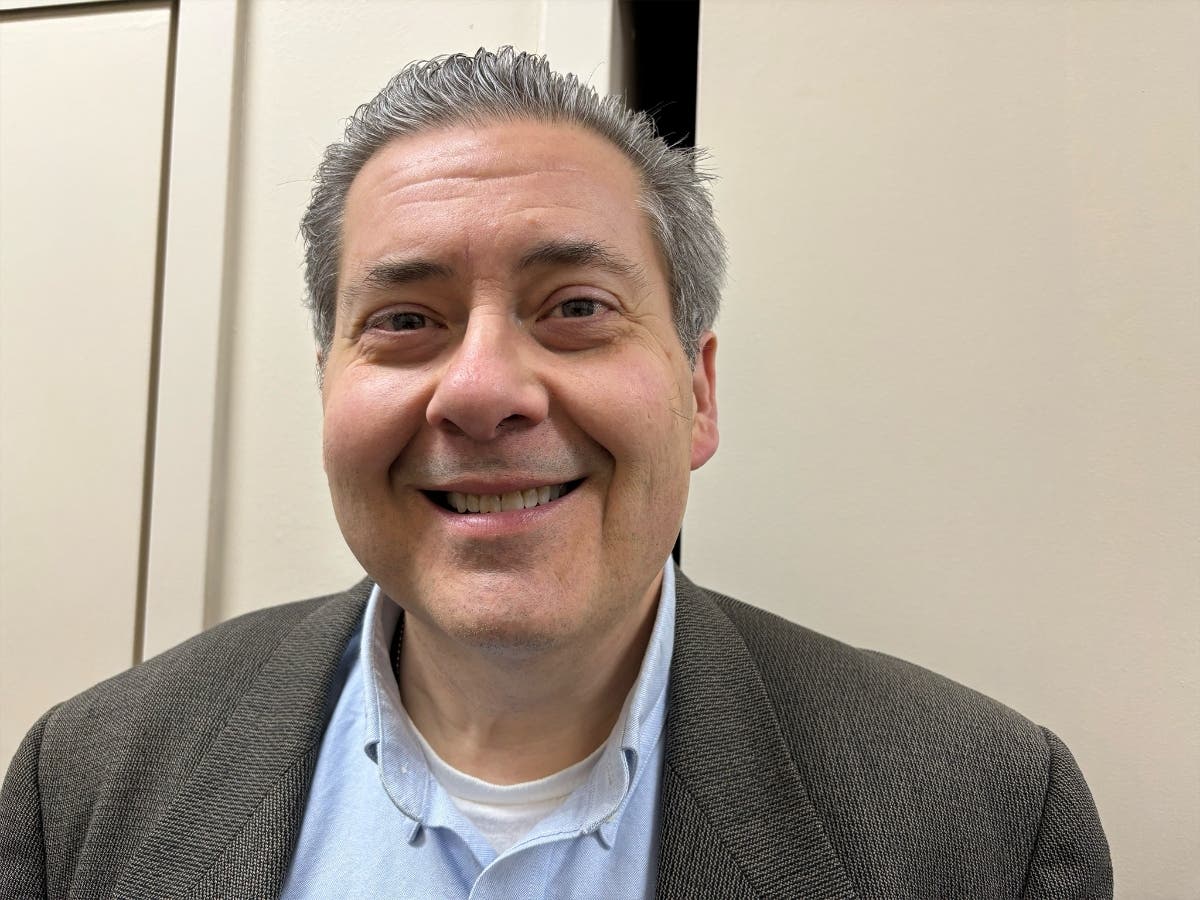
Commack Resident H. William Wolfson, DC, FICC, MS, MPASSM graduated cum laud with a BA in economics. He earned his Doctor of Chiropractic (DC) and retired after 27 years of active practice. After passing the rigorous Certified Financial Planner™ examination, Dr. Wolfson continued his financial planning education and obtained his Masters of Science (MS) Personal Financial Planning from The College for Financial Planning. He was subsequently awarded by the College a Master Planner Advanced StudiesSM certification.
While in and after private practice, Dr. Wolfson remains active in volunteering his time to the New York State Chiropractic Association (NYSCA), as a board member and past chapter president of Suffolk County, NY. In addition, he serves as the New York Delegate to the American Chiropractic Association (ACA), as well as participating on assorted important committees. For his volunteer efforts he was honored and inducted as a Fellow of the International Chiropractic College (FICC) and awarded the prestigious 2011 ACA Delegate of the Year Award. He is a member of the Florida Chiropractic Association (FCA) and presented at their Business Boot Camp. Dr. Wolfson is a member of the Financial Planning Association (FPA) and volunteers on assorted committees in the Long Island, NY chapter. Dr. Wolfson may be contacted atdrhwwolfson@gmail.com.
References
1,4Stifler, Karin. “Making better investment decisions.” Market Watch-WSJ Web. 12 Dec. 2012. <http://www.marketwatch.com/story/making-better-investment-decisions-2012-12-12.>
2“Financial Navigating in the Current Economy: Ten Things to Consider Before You Make Investing Decisions.” US Security and Exchange Commission Web. <http://www.sec.gov/investor/pubs/tenthingstoconsider.htm.>
3“FinancialRisk.” BusinessDictionary.com Web.<http://www.businessdictionary.com/definition/financial-risk.html.>
5Gold, Howard. “Most investors have no idea what they’re doing.” Market Watch-WSJ Web. 15 Apr. 2014. <http://www.marketwatch.com/story/most-investors-have-no-idea-what-theyre-doing-2014-04-11.>
6“Breach of Fiduciary Duty Law & Legal Definition.”US Legal.com Web. <http://definitions.uslegal.com/b/breach-of-fiduciary-duty.>
7”Suitability: What Investors Need to Know.” FINRA Web. <https://www.finra.org/Investors/ProtectYourself/BeforeYouInvest/P197434.>
8Benjamin, Jeff. “Financial advisers can add 3 percentage points to client portfolios.” Vanguard Web. 27 Jan. 2014. <http://www.investmentnews.com/article/20140127/FREE/140129915.>