Neighbor News
Why Scarring Doesn't Have to Be a Byproduct of Breast Cancer Surgery
When it comes to breast cancer surgery, know your options.
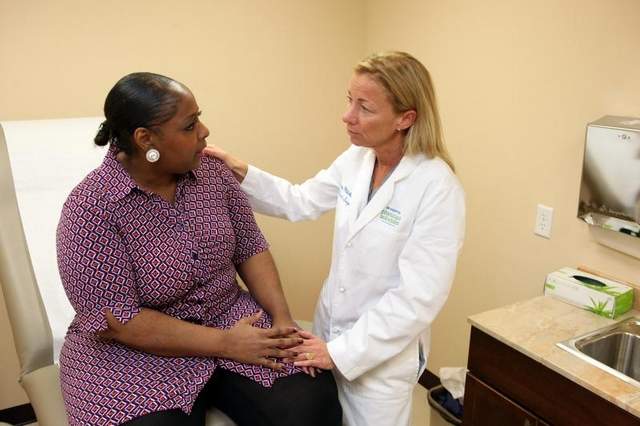
This year in America, over 230,000 women will receive a breast cancer diagnosis that requires surgery. In New York City alone, an estimated 5,100 women[1] will be diagnosed. While screening and prevention are critical, after a diagnosis is made, it’s equally critical for these patients to understand their surgical options. With advances in scientific research and clinical trials, as well as the advent of new technologies, less invasive breast cancer surgery options are on the rise.
As a breast cancer surgeon, it’s important that we individualize care and develop an immediate, as well as a long-term, treatment plan. Today, a woman faced with the diagnosis of breast cancer is treated via a multidisciplinary approach, which may include chemotherapy, endocrine therapy, radiation therapy and surgery.
When patients find themselves needing surgery, they deserve to know what their surgical options are. Historically, most women diagnosed with breast cancer would undergo more radical surgery, often resulting in disfiguring scars. Some women have sadly described these scars as “mutilating,” and as having a lasting aesthetic and psychological impact.
Find out what's happening in Ditmas Park-Flatbushfor free with the latest updates from Patch.
The surgical options available today are markedly different than those of the past. The application of oncoplastic techniques, for example, combine surgical oncology to treat the cancer, our primary goal, while respecting the patient’s desire for the best cosmetic results. Breast conserving surgery (also known as lumpectomy) allows the surgeon to respect the natural shape, size, and contour of the breast as much as possible. And when a full mastectomy is required, we are now often able to do skin-sparing or nipple-sparing mastectomies with immediate reconstruction.
Hidden Scar approaches take these procedures one step further by hiding the scar in the fold underneath the breast. More often than not, a woman’s breasts will look nearly identical after surgery as they did before. It’s a meticulous surgical approach, but it affords the patient less of a daily emotional reminder of her cancer, and a feeling of wholeness – and that’s what matters.
Find out what's happening in Ditmas Park-Flatbushfor free with the latest updates from Patch.
What stands in the way of these options? In the early stages of building a breast cancer program from the ground up at Coney Island Hospital (CIH), I have come to understand that disparity in services can be a determining factor.
In the richly diverse community CIH serves, including 900,000 residents of Southern Brooklyn and Staten Island, over 95 different languages are spoken. And yet regardless of her background, fear is the single most consistent response when a woman is diagnosed with breast cancer that requires surgery. It’s important for these women know how far the overall treatment of breast cancer has come over the years.
My patients are pleasantly surprised to learn they can benefit from these new options. Today we know that we can treat breast cancer in a manner that respects aesthetics while still removing the tumor. It’s critical that a treatment plan preserves not only a woman’s clinical health, but also her psychological health and sense of well-being throughout breast cancer treatment and beyond. While minimally invasive and reconstructive options might not be for everyone, these options should be accessible to everyone who is a candidate.
I love being able to provide this level of care and these options to the breast cancer community in New York City. Individuals deserve to not have a daily reminder of their breast cancer treatment when they look in the mirror. They deserve to look in the mirror and feel whole, healthy, and happy. It is very gratifying to tell women these options exist, let alone being able to treat the cancer while giving them the cosmetic results they desire.
Talk to friends and family. Make sure you know the breast cancer surgery options available, and consider the long-term implications.
[1] New York State Department of Health