Neighbor News
Cats Valuable Service in the Middle Ages
Hunting Rodents made the cat a valued member of medieval society.
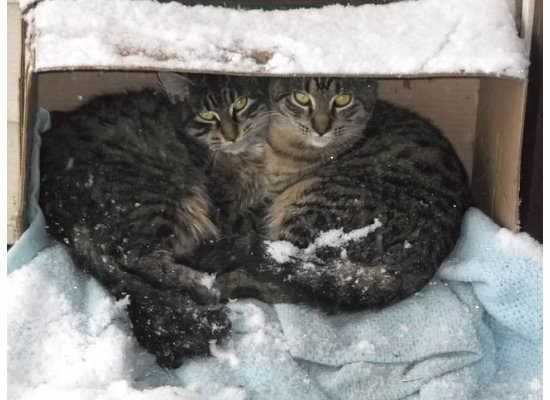
Our impressions of the cat in the middle ages are of them riding a broom with a witch or dying a horrible death because of their association with the devil.
It wasn’t always doom and gloom for the feline. The difference between feast and famine was often determined by how much grain rats and mice ate, so the cat’s ability to catch and kill rodents made them an invaluable servant to the farmer. In some cases the cat’s skill at catching rats were the stuff of legend. John D. Blaisdell in his article “A Most Convenient Relationship: The Rise of the Cat as a Valued Companion Animal” retells the story of a cat who rolls in red mud to make herself look as though she is covered in blood. She then lies on the ground and holds her breath, tongue hanging out. The rat, thinking the cat is dead, sits on her. For successfully playing possum, the cat gets the rat for dinner.
Cats were sometimes compensated for their labor. In the 15th century a cat was paid one penny a week for its work at Exeter Cathedral.
Find out what's happening in East Meadowfor free with the latest updates from Patch.
During the reign of Edward III (1327-1377) every merchant ship was required by law to have a cat on board to help control rodents. The cat was counted as a member of the crew. Under English common law the cargo of a wrecked vessel was forfeited to any finders unless a member of the crew survived. If a cat survived the shipwreck, it got to keep what was on board, which must have made for some interesting lawsuits.
During the tenth century Howel Dda, Price of South Central Wales, established fixed prices for kittens. Before a kitten opened its eyes it was valued at one penny. Its value improved right up till the time he proved himself a mouser, when he was valued at four pence.
Find out what's happening in East Meadowfor free with the latest updates from Patch.
And you know cats had to be very valuable when there were provisions made for their custody during divorce. Under Prince’s Dda’s law, when a couple divorced, the husband got the cat.