Neighbor News
Dry Cleaning and How it Impacts the Environment
Plus alternative suggestions on how to clean your duds the green way
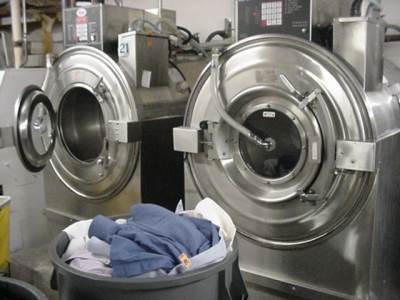
Dry Cleaning has existed in one form or another, believe it or not, since ancient Roman times, where they used ammonia (derived from urine) and fuller’s earth to launder their woolen togas. Modern dry cleaning uses non-water-based chemical solvents, such as tetrachloroethylene (AKA perchloroethylene, which the industry calls “perc”), to remove soil and stains from clothes; however, the principal is the same. But while the process of Dry Cleaning, which is used to clean delicate fabrics that cannot withstand the rough and tumble of a washing machine and clothes dryer, is a convenience to many people worldwide, its effects upon the environment, unfortunately, are not.
While, when properly adhering to maintenance and safety regulations, your typical dry cleaner poses little risk to the communities they serve, one that does not can and does pose such a risk. As far as Long Island goes, one well-known site is the former Waldbaums Shopping center located on Main Street in Farmingdale. With its boarded-up windows and gutted storefronts, the shopping center, currently without an owner and completely vacant for some time has many locals crying foul over its dilapidated appearance; however, the real issue lies now in what people can see, but what they can’t.
Among the stores that had previously called the Waldbaums Shopping Center home was the Farmingdale Plaza Cleaners, which has unfortunately left its mark upon the community in the form of an underground toxic plume containing tetrachloroethene, or “perc,” which is slowly sinking into local groundwater and posing a risk the community; this is especially scary considering the fact that Long Island procures the vast majority of its drinking water from the ground.
Find out what's happening in East Meadowfor free with the latest updates from Patch.
Due to the inaction of the dry cleaner’s former owners to do anything about the ground contamination, the Waldbaums Shopping Center has now become what is known as a “Superfund” site; it is now under the jurisdiction of a United States federal law designed to clean up sites contaminated with hazardous substances using government funds.
According to the United States Environmental Protection Agency (EPA), people exposed to high levels of perc, even for brief periods, may experience serious, negative health symptoms, including dizziness, fatigue, headaches, confusion, nausea, and skin, lung, eye and mucous membrane irritation.
Find out what's happening in East Meadowfor free with the latest updates from Patch.
“Studies in laboratory animals indicate that exposures to high levels of perc can produce effects on the developing fetus that include altered growth, birth defects, and death,” they said. “Scientists have not yet determined whether perc exposures can cause such adverse effects in pregnant women as increased incidence of miscarriage or reproductive effects, affect women’s fertility, or affect children born to parents exposed to high levels of perc.”
The Natural Resources Defense Council (NRDC) notes that, aside from the localized contamination some dry cleaners can produce in the areas they serve, the hazards don’t end there; customers who regularly dry clean clothes can affect their own indoor air quality by bringing a trace of toxic PERC residue into their homes where it can linger in the air, even when the clothes are not being worn.
“The Federal Agency for Toxic Substances and Disease Registry found that in homes and cars containing fresh dry cleaning, PERC concentrations sometimes rise above levels of concern,” they said. “The levels of PERC exposure in the dry-cleaning facility are also of concern. Workers handling PERC have been found to be at an increased risk of esophagus and bladder cancer, non-Hodgkin’s lymphoma, spontaneous abortion, menstrual and sperm disorders, and reduced fertility.”
The NRDC, and various “green” blogs such as YellowPagesGoesGreen, offer various environmentally-friendly alternatives to traditional dry cleaning that can have a much more positive affect upon the health and well-being of people. These alternatives include:
Carbon Dioxide: This method pressurizes carbon dioxide (recycled from other processes) into a liquid solvent that cleans the garment. However, because the equipment for this alternative is costly, few dry cleaners are adopting this approach.
Professional Wet Cleaning: This is the preferred method as it uses no toxic chemicals, produces no hazardous waste or air pollution, and is extremely energy-efficient.
As you can see, dry cleaning is not an environmentally-friendly practice, but safe and efficient alternatives are out there for those who take saving the earth – and their own personal health – seriously.
utQ9