Neighbor News
How to Make Money from Your Unwanted Jewelry
Need some extra cash? Learn how to sell or pawn some unwanted jewelry
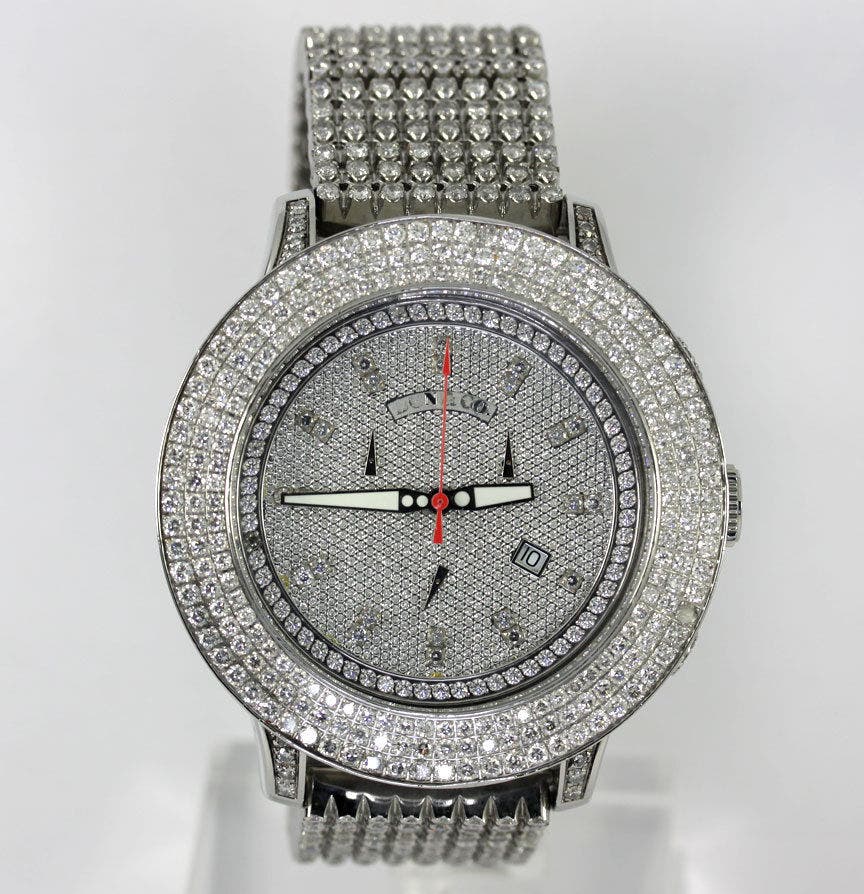
The holidays are wrapping up, and for many of us, it’s time to get our finances under control. This may be a good time to sell or pawn some of your unwanted jewelry. Before you do, here’s some expert advice on getting top dollar at a pawn shop.
Pawn shops have surged in popularity in recent years, in part due to the evolution of pawn stores into “high-end collateral lenders.” Consequently, taking out a pawn loan has become more mainstream — a legitimate and acceptable financial option for many people in need of some quick cash.
These high-end shops aren’t the seedy storefronts of yesteryear — they’re high-end collateral lenders catering to the tastes and needs of the cash-strapped rich — wealthy people with plenty of assets, but short on liquid cash. Higher-end shops work similarly to other pawn shops in that they loan money on collateral. Here’s an overview of how a pawn loan works, and what to know before you agree to a pawn loan.
Find out what's happening in East Meadowfor free with the latest updates from Patch.
How a pawn loan works
There are many types of people who take pawn loans, but their reasons are generally the same: they need money, but don’t want to permanently part with the item they are putting up as collateral for the loan — due to sentimental value or other reason.
Find out what's happening in East Meadowfor free with the latest updates from Patch.
Whatever the reason — and pawn shops usually don’t ask — pawn loans have become a mainstream way to get cash, without having to sell a valued item. According to a 2015 survey by the National Pawnbrokers Association (NPA), the average pawn loan amount in 2015 was $150 nationally, up from an average of $80 in 2008. While pawn shops differ in estimate and loan prices, pawn loans generally work the same way between shops.
- A customer brings in something of value, from jewelry to a gold coin.
- The pawnbroker appraises it and gives the customer a fixed-term loan price for the item, plus interest, and a maturity date of the loan, usually 30 days. There is no credit check, as the loan is secured by the collateral.
- If the customer agrees to the loan price and conditions of the loan, he or she receives the agreed upon loan amount, and leaves the item with the pawnbroker as collateral to guarantee the loan.
- The pawnbroker will give the customer a pawn ticket with their name and address, a description of the pawned item, the loan amount and the maturity date. The local police will also get a copy of the receipt.
- When the loan is paid, including interest, the customer will receive the pawned item back. If a loan is not repaid, and no monthly interest payment has been made, the pawnbroker will keep the item and cancel the debt.
- Some pawn shops will allow the customer to extend the loan indefinitely if they pay the interest on the loan.
Do your homework first
Like any business, the reputation of pawn shops differs from shop to shop. Some are more professional and offer better loan prices than others. However, the highest loan price doesn’t necessarily make the best deal.
Do your research before buying, selling or entering into any agreement with a pawn shop. It’s a good sign when a shop is a member of the National Pawnbrokers Association, and its appraisers are educated by the Gemological Institute of America (GIA), the world’s foremost authority on diamonds, colored stones, and pearls.
Do some research ahead of time, ask plenty of questions and make sure you agree to the appraisal estimate, loan price and terms and conditions of the loan before agreeing to the loan.