Politics & Government
Adopted Budget Focuses on Infrastructure, Service Delivery
Capital projects highlight commitment to improving quality of life.

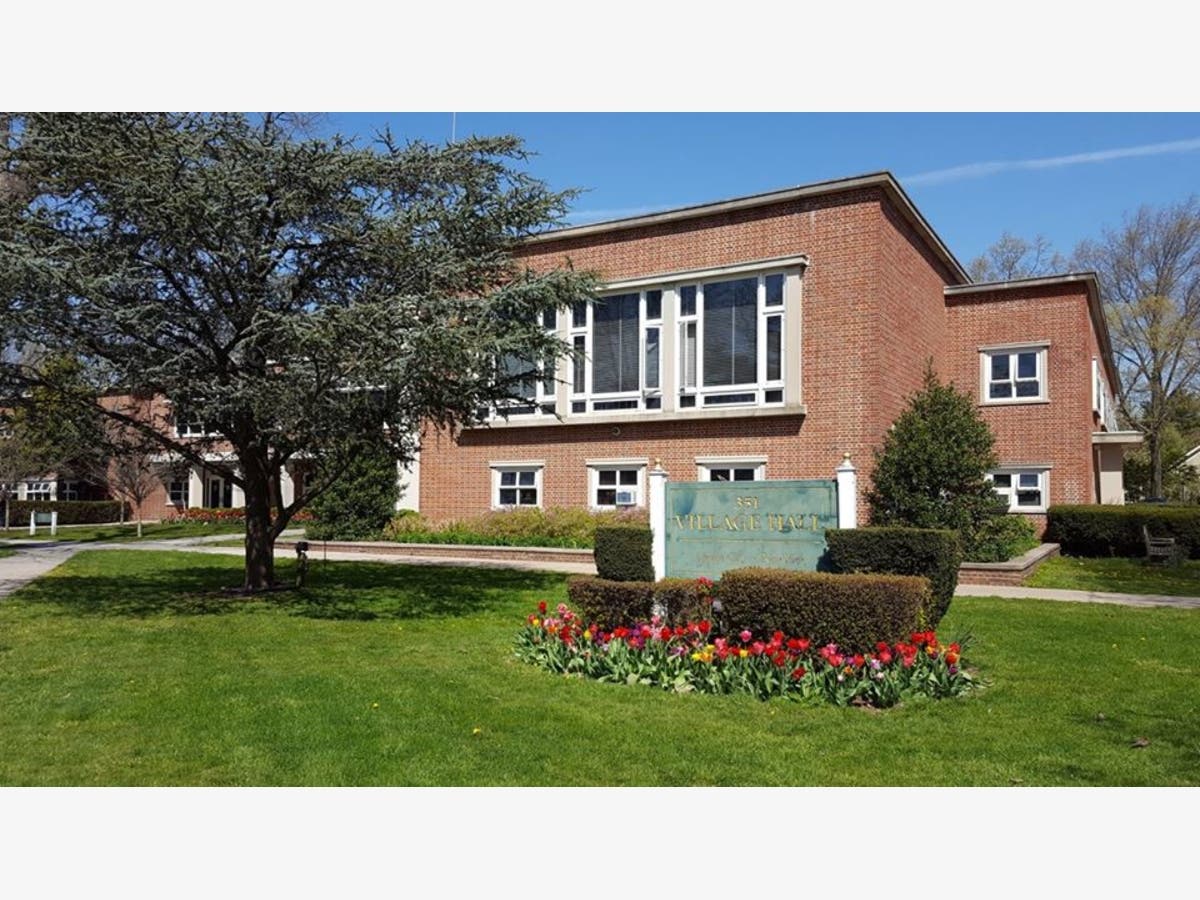
The Garden City Board of Trustees adopted a $61 million general fund operating budget for 2018-19 following an April 12, 2018 public hearing.
“We are presenting a budget that increases costs higher than we might prefer, and based on the last three to four years where we have kept annual increases lower. However, there are realities and wants that we need to address in this budget and every budget,” Mayor Brian Daughney said during opening remarks, further noting that this year the Village is required to pay a nine percent increase in health insurance costs.
The Mayor commented further to emphasize his point: “Think about that - we cannot have a flat or 1 percent increase in our budget when we are faced with mandated, unavoidable increases in health costs of 9 percent when 63 percent of our budget is labor related.”
Find out what's happening in Garden Cityfor free with the latest updates from Patch.
Careful review of proposed Department spending plans led to revisions following three budget work sessions held in March. The result is a spending plan that includes a tax levy revenue increase successfully capped at 2 percent despite having accelerated several capital projects now slated for completion in the 2018-19 Fiscal Year. The 2 percent tax levy increase is less than the tax cap allowed by the State, Village Treasurer Irene Woo said.
Upgrades to the Garden City Library’s security infrastructure, originally proposed for Fiscal Year 2020-21, will now be completed in 2018-19, as will renovations to Field 2 at Community Park and various signage replacement projects throughout the Village. Further, the Board agreed to accelerate a portion of the LED lighting project and split the costs over three years. The total amount of capital projects is increasing by $1.2 million; $750,000 will be bonded and the balance will be paid for through taxes. Other capital projects included in the $8.6 million approved plan include investments in new technologies, equipment and infrastructure.
Find out what's happening in Garden Cityfor free with the latest updates from Patch.
Further, as part of the Administration Department’s budget, a $75,000 capital project for office construction related to the reunification of Payroll and Personnel functions has been reduced to $25,000 partially due to some available funding in the current year’s budget. Village Administrator Ralph Suozzi recommended that the $50,000 difference be transferred and reallocated to purchase a new Microsoft Exchange Server which includes the hardware, operating system, licenses and the decommissioning of the old server and implementation of the new server. This results in no net change to the capital request but rather a reallocation of capital resources.
Finance Commissioner and Trustee Stephen Makrinos noted that the Village’s tax levy increases over the last four years have averaged only 1.23 percent and budget increases have averaged 2.33 percent, despite the fact that mandated healthcare costs increased by nine percent and debt service costs increased 22 percent year over year. He acknowledged the evolution the Finance Department has undertaken over the last five years and praised the work of Village Treasurer Woo, Deputy Village Treasurer Darcia Palmer and Village Administrator Suozzi for anchoring the transformation.
“Even with these increases, we have been able to pave more roads, modernize our water distribution systems and invest more in our aging Village infrastructure such as the new Senior Center and the new fields at Community Park and still stay under the tax cap,” he said, also praising the efforts of the Citizens Budget Review Advisory Committee and his fellow Finance Committee members, Trustees John Delany and Mark Hyer. “If I continue to look past these numbers, we have seen our Finance Department streamline their procedures, increase fiscal accountability and develop a program to assist our Village Department heads with their budgets. The net effect of these changes will be positively felt in our Village for years to come.”
Overall, the budget represents a 3.4 percent increase year over year, mostly due to an increase in debt service, consulting and employee benefits. Salary and benefits represent approximately $36 million, capital and debt service totals approximately $6.8 million and consulting, contractual and third party services represent approximately $4.4 million.
On the revenue side, Department of Recreation and Parks programs, fees and rentals, as well as Building Department fees, are estimated to generate $800,000 and $2 million respectively. Further, the Village’s three Enterprise Funds - Water, Pool and Tennis - are all expected to be profitable.
The Village is also undertaking infrastructure improvements in the Enterprise Funds. For example, an engineering study the Board of Trustees requested to take a closer look at the Pool facility reflected needed improvements in 2018-19, including replacement of the deck trench drain and the building’s entire roof and gutter system, rehabilitation of the filter system, exterior building renovations, improved ventilation in the bathroom/shower areas and replacement of the ADA access ramp and railings. In the Water Fund, the Village continues to improve the water distribution system through investments totaling $8 million.
Lowering maintenance costs while improving service delivery, increasing productivity through capital investments in new equipment and technology, managing annual capital borrowing and its effect on future operating debt service and seeking out grants to supplement, replace or reimburse existing funding sources are all continued goals executive staff members seek to achieve year-round. Looking ahead, the Board has asked executive staff to closely monitor overtime.
“The adoption of the 2018-19 budget represents the culmination of a coordinated process that began in December 2017. We are proud of the final result and remain committed to continuing to ensure fiscal accountability and assisting the Department heads throughout the next fiscal year,” Ms. Woo said.
Prior to the vote on the budget, Mayor Daughney offered additional commentary regarding the budget process and public involvement - or lack thereof. “As you may be aware, I hope so, setting the budget lays out priorities and projects that need to be addressed. It also sets taxes and your tax bill. Despite numerous notices and paper articles, meetings at POAs and the like, we had at most ten people come to budget meetings," he said. "What is the takeaway? Either we are doing things really well or there is complete apathy. Last year we heard a few rumblings from a small group that we did not have enough meetings. Yet, barely anyone came to what are the most important meetings - budget meetings.”