Neighbor News
Las Vegas-Style Casinos in New York: A Closer Look at the Numbers
Recent report by NYS Comptroller DiNapoli raises significant concerns about the financial viability of Las Vegas-style casinos in New York.
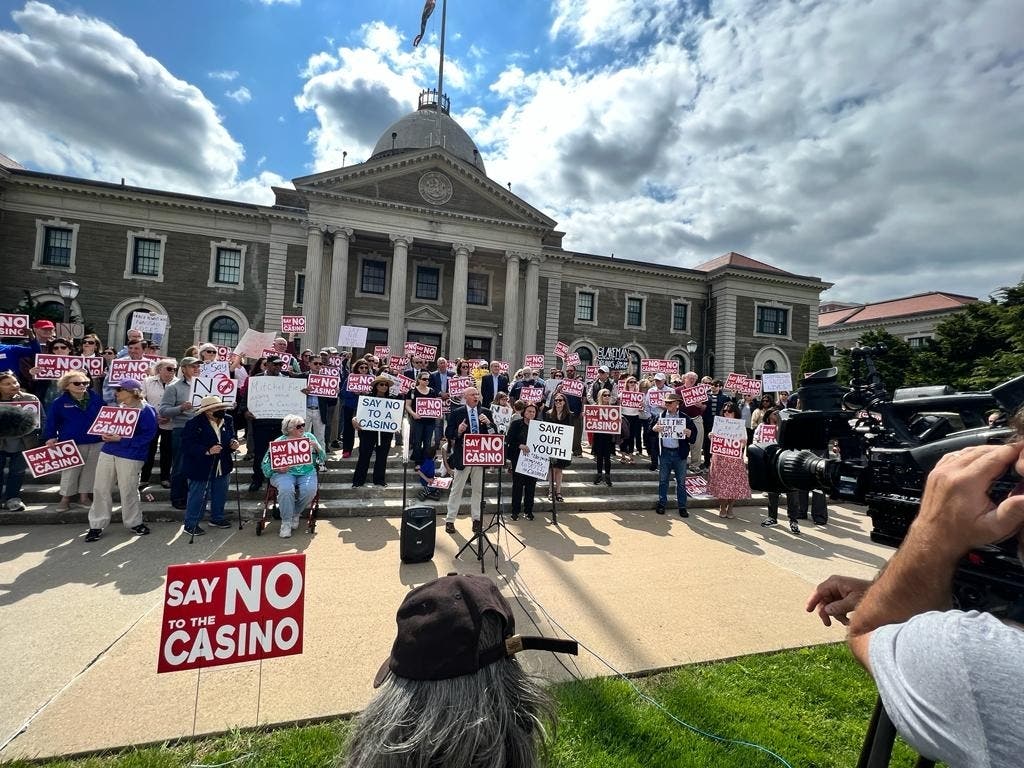
The recent report released by New York State Comptroller Thomas DiNapoli raises some significant concerns about the financial viability of Las Vegas-style casinos in our state. The report highlights that none of the four upstate casinos managed to meet their gross revenue projections in recent years. This insight is especially relevant as we consider the potential implications of the massive casino-resort being proposed by Las Vegas Sands on the Nassau Coliseum site.
Sands executives have boasted that their ambitious casino project could generate in excess of $2 billion in annual gross gaming revenue (also known as "gambling losses" to their customers). While this staggering number is undoubtedly eye-catching, we must approach it with a healthy dose of skepticism, given the findings of the audit. While tax revenue seems highly scrutinized - we are lacking sufficient data on the infrastructure, emergency, and social services costs of operating such a large-scale casino. Additionally, upstate casinos, with all their gaming prowess and no downstate competition, couldn't meet their own projections – a fact that should give us pause.
It's easy to draw parallels between the upstate casinos and the Nassau Coliseum project, but Sands executives argue that the two are like "apples to oranges." They point out the significant differences in the scale and offerings of their proposed development compared to the upstate establishments. However, we must not forget that the basic dynamics of the casino industry remain consistent – success hinges on attracting new and returning customers to gamble and lose significant amounts of their money, regardless of the resort amenities. Appproximately 73% of Las Vegas Sands revenue comes from gambling per their recent SEC filings.
As a member of the grassroots opposition group Say No to the Casino Civic Association (nocasinonassau.org), I welcome Comptroller DiNapoli’s report and statement that "casinos are not a magic fix that will solve local fiscal challenges." The notion that a single development could single-handedly rejuvenate a local economy needs careful examination. Creating a true economic revival for the hub will require a diverse set of industries attuned to the future long-term sustainability of Long Island's workforce.
Sands' grand plan includes high-end restaurants, a spa, a live music venue, and the convenience of two international airports nearby. But we should ask ourselves whether these attractions can genuinely draw visitors from beyond Long Island given that we already have many casino-resorts nearby including Foxwoods, Mohegan Sun, Resorts World Catskills and Atlantic City plus there will be two new downstate casinos that will be even closer. The casino industry, while glamorous, is also highly competitive.
My skepticism about the $2 billion revenue estimate stems from a simple thought – how likely is it that people from across the country will flock to this new “integrated casino-resort”? Realistically, it seems more probable that the vast majority of the revenue will largely come from Long Island residents. In that case, are we merely shifting dollars from one pocket to another, from our local restaurants, our local spas and our downtown shops to Las Vegas Sands, without truly injecting new economic vitality?
DiNapoli's report is a timely reminder that we should approach grand promises with a critical eye. The allure of big numbers and exciting developments is understandable, but as responsible citizens, we must demand transparency and realistic projections of revenues as well as daily visitors. When asked about the estimated number of daily visitors, Sands senior executive Michael Levoff coyly responded "north of 20,000". If we assume $2.0 billion of gross gaming revenue is a good estimate, 70% of the visitors will gamble which is typical, and those who gamble will lose $200 each visit, that equates to 39,000+ daily visits - well "north of 20,000". We need better transparency on this important question and many others. The future of Nassau County as we know it is at stake, and we owe it to ourselves to ensure that we're making well-informed decisions.
In conclusion, the spotlight is now on the proposed Nassau Coliseum casino complex. Let's learn from the experiences of the upstate casinos and carefully weigh the potential benefits against the considerable risks this proposed casino will bring. After all, it's our community's future that now hangs in the balance.