Health & Fitness
Younger Patients Getting Hip Replacements
More active people are undergoing hip replacements.

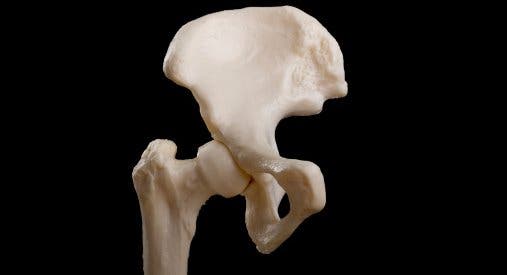
Today’s hip replacements are not your father’s hip replacement, says a New York orthopedic surgeon. And that’s a good thing, because younger and more active people are undergoing the procedure.
“I see patients in their 60s, 50s, even 40s,” said Sreevathsa Boraiah, MD, who specializes in hip preservation surgery and joint replacement surgery at Long Island Jewish Medical Center and North Shore University Hospital.
Wear and tear on this ball-and-socket joint accounts for an average of 332,000 hip replacement surgeries each year in the United States, according to the Centers for Disease Control and Prevention.
Find out what's happening in Great Neckfor free with the latest updates from Patch.
The new technologies and materials being used in the replacement joints are making them durable enough to last patients through most of their lifetime, explained Dr. Boraiah.
In addition to improvements in the implant, the surgeon offers six other things that you should know about hip replacement surgery:
Find out what's happening in Great Neckfor free with the latest updates from Patch.
- Being active and in a healthy weight range can delay and possibly avoid having the surgery.
- If your hip pain interferes with daily activities and more conservative treatments haven’t helped, you may be a candidate for hip replacement surgery.
- Osteoarthritis is the most common reason for hip replacement.
- There are two main ways the surgery can be done: anteriorly, by making a small incision in the front of the hip and pushing the muscles aside to reach the joint or the traditional approach, which accesses the hip joint through an incision by the buttocks and detaches surrounding muscles during the procedure.
- Patients typically stay in the hospital for two to three days following surgery.
- Walking can resume on the same day, with return to normal activities in about two to three weeks.
“Hip replacement is more of a lifestyle issue than the joint pain itself,” said Dr. Boraiah. “In order to win the war on health you need to stay active, and you can’t do that if hip pain is holding you back.”
To see a video about this, click here: http://bit.ly/1IcO7Po