Traffic & Transit
East Side Commuters Get Major NYC Rail Upgrade
The decades-old rail structure reopened five years ahead of schedule, under budget and without disrupting service.


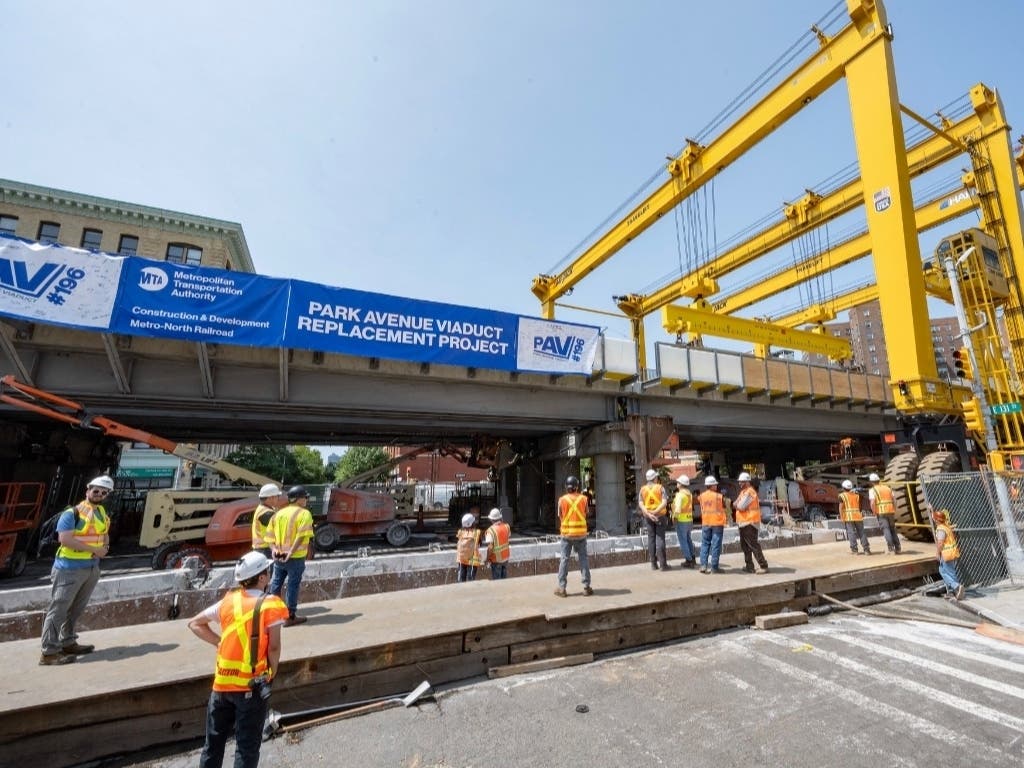
EAST HARLEM, NY — The Metropolitan Transportation Authority completed the structural replacement of the 133-year-old Park Avenue Viaduct in East Harlem years ahead of its original schedule while maintaining regular Metro-North service throughout construction, Gov. Kathy Hochul announced Monday.
Crews finished the structural work 60 months ahead of schedule and about $195 million under the original budget.
"Our priority is to make sure that our riders, who we just treasure, never feel disrupted that they say, 'Oh it's just another hassle,'" Hochul said. "That era is over, that's why we were able to accomplish this, shaving off four to five years."
Find out what's happening in Harlemfor free with the latest updates from Patch.
The $765 million project replaced 196 bridge structures and more than 12,600 feet of railroad over 28 weekends without delaying a single train, according to the MTA.
The viaduct carries about 750 Metro-North trains and 260,000 passengers each day between East 97th Street and the Harlem River, making it one of the busiest rail corridors serving Grand Central Terminal.
Find out what's happening in Harlemfor free with the latest updates from Patch.
Metro-North continued operating its regular schedule throughout construction, posting a 97 percent on-time performance rate during the project, exceeding its monthly goal of 94 percent, according to the MTA.
The reconstruction strengthens a key section of Metro-North's network, replacing steel and concrete dating to the 1890s that supports nearly every train entering and leaving Grand Central Terminal.
How Did Crews Replace A Railroad Without Stopping Trains?
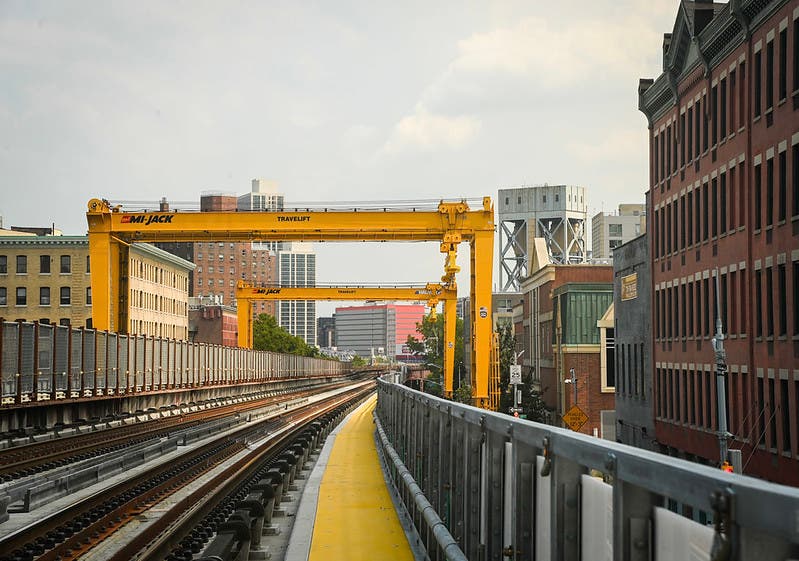
Engineers relied on custom-built gantry systems that lifted prefabricated bridge sections weighing nearly 190,000 pounds into place during weekend work windows.
Crews also built enclosed work areas between active tracks, allowing construction to continue while trains operated on adjacent rails.
The approach reduced the need for work stoppages and allowed workers to replace major sections of the viaduct during 48-hour weekend closures.
Bridge components arrived preassembled, reducing the amount of work required above the busy rail corridor.
What Comes Next?
Crews will continue replacing track, installing cables and removing temporary construction equipment through September 2027.
The Park Avenue Viaduct forms part of what the MTA calls the Grand Central Artery, along with the Park Avenue Tunnel and Grand Central Terminal train shed. Together, those structures carry 98 percent of Metro-North service into and out of Grand Central Terminal.
MTA Chair and CEO Janno Lieber said the project showed major infrastructure improvements can happen without forcing riders to endure lengthy service disruptions.
"The Park Avenue Viaduct may not be glamorous, but its continued deterioration was a real threat to the entire Metro-North system," Lieber said.
Get more local news delivered straight to your inbox. Sign up for free Patch newsletters and alerts.