Health & Fitness
Did you know: The Hauppauge Industrial Park, Part 1
A short recap about how a vast expanse of hilly land became the employment center of over 55,000 Long Islanders, and defined one of Hauppauge's identities. Thank you to the Garvies Point Museum!


Hauppauge is simultaneously a government center, no fewer than three distinct residential communities, the natural headwaters of the Nissequogue river, and home to the largest industrial park on the East Coast. The Hauppauge Industrial Park is a present day cornerstone of our communities built form and is in many ways almost entirely distinct and separate from the hamlet's other identities, with some very important exceptions. Before delving into its present significance we must hearken back to a time before the warehouses, semiconductor manufacturers, broadcasters, and machine tool experts to when the land was simply the pockmarked surface formed during the last great Ice Age.
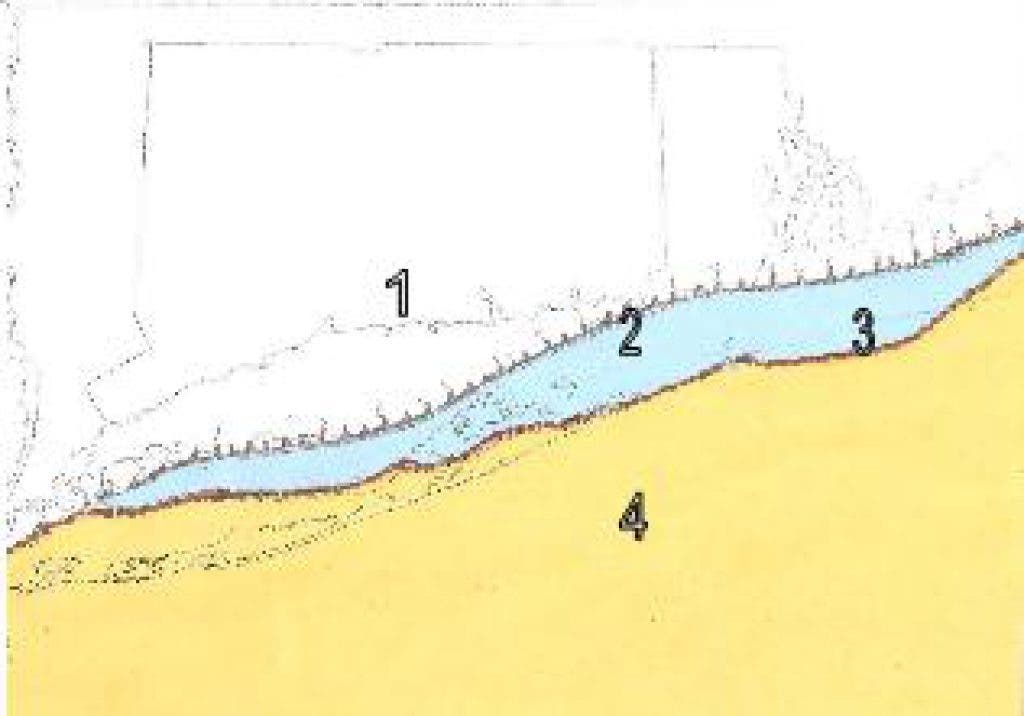
Imagine yourself some 18,000 years ago, faced with the formidable bulk of an ice wall which stretches from Montauk Point until a distant point over the horizon on the North American continent. This ice wall, now known as the Laurentide Ice Sheet is constantly shedding enormous pieces of itself, along with debris, and boulders known as glacial erratics. Some of the larger pieces of the fractured glacier form water-filled depressions which are now known as kettleholes (Lake Ronkonkoma is amongst the largest examples of this), a phenomenon which coated the landscape of the present day industrial park. The glacier terminated for a period of time along the hilly spine of Long Island which is in fact a glacial terminal moraine. It is in this environment that the Hauppauge Industrial Park is situated and from which our tale necessarily begins.
Following the thawing of Long Island some 18,000 years ago, strange creatures and plants appeared throughout the land. We can imagine that this began with those organisms better adapted to colder climates, followed by those from temperate zones as the climate changed over time. The archaeological record presumes a human presence on Long Island within roughly 8,000 years following the glacial recession based on finds on Staten Island. These humans were known as the humans of the "Paleo Stage" or Big Game Hunters. The first human group to appear in an archaeological record on Long Island date from the "Archaic" or hunting and gathering stage of human development, some 2,000 years ago. Hunting, shellfishing, and foraging were essential parts of life for these inhabitants of the island. The descendants of these early human inhabitants would assign a name to the rolling hills and kettleholes of the Industrial Park: Winnecomac or "Pleasant Lands". These "pleasant lands" were likely not the location of significant settlements of Hauppauge's Native American inhabitants, as the archaeological record speaks to communities based around access to the Nissequogue River or the Long Island Sound. Once they became covered in dense forest, they would have been integral to hunting, foraging, or procuring other natural products and certainly would earn their "pleasant" appellation.
Find out what's happening in Hauppaugefor free with the latest updates from Patch.
In our next issue I'll explore what becomes of these "pleasant lands" once a new historical force emerges on Long Island, European settlers. Until then, thank you for reading, and have a lovely weekend.
For those of you interested in seeing a piece of this history up close, at least one kettlehole is still easily visible in Hauppauge, on the SW side of the intersection of Kings Highway and Route 111, behind Hirsch Fuels.
Find out what's happening in Hauppaugefor free with the latest updates from Patch.
Thank you to the Garvie's Point Museum and Preserve for its invaluable information on geology and prehistory on Long Island.