Community Corner
Huntington Archaeological Dig Kicks Off Black History Month
The dig is taking place at Peter Crippen House, a site significant to the town's African American history. See video of the news conference.


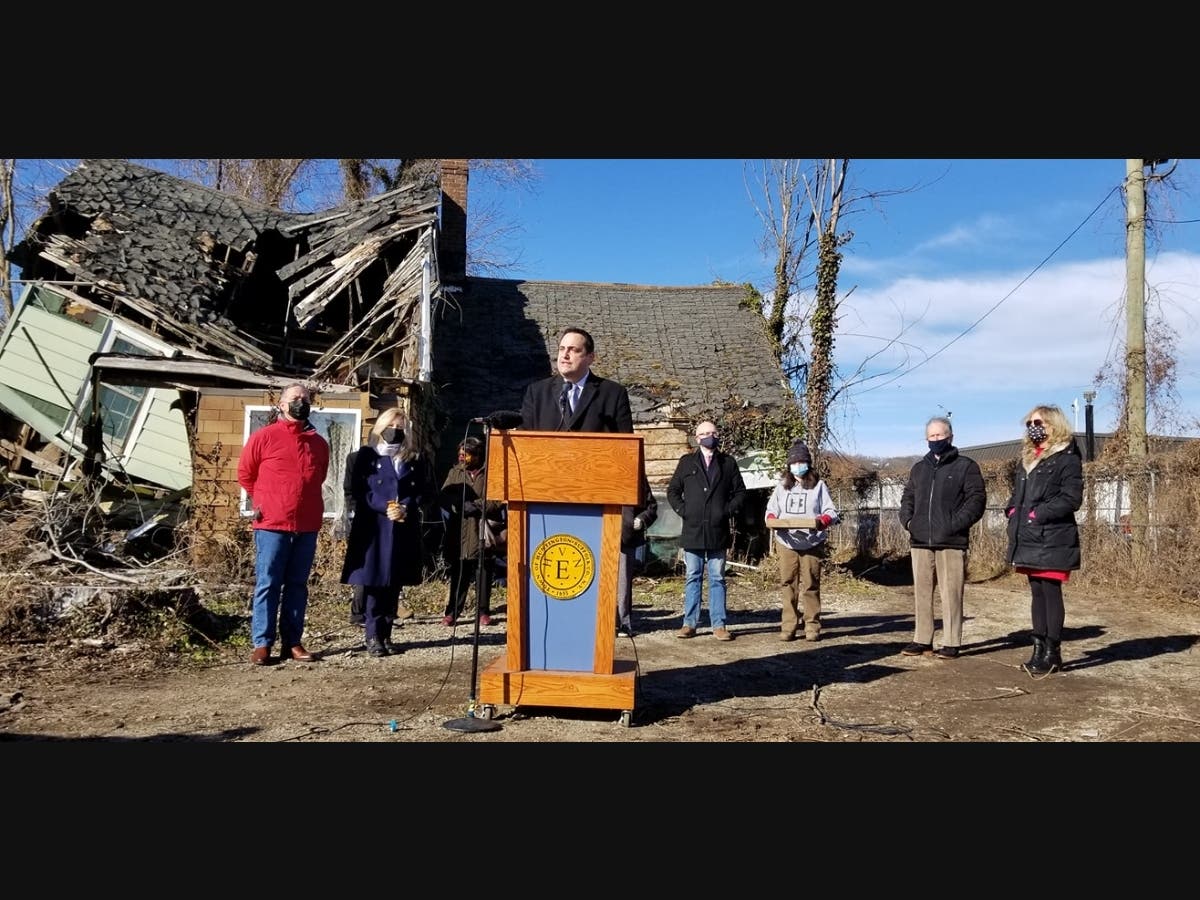
HUNTINGTON, NY — The archaeological dig at Peter Crippen House, a site significant to the Town of Huntington’s African American history, is well underway, according to a news release. The excavation marked an early start to Black History Month, which officially begins Feb. 1.
Supervisor Chad A. Lupinacci, Councilwoman Joan Cergol and Councilman Ed Smyth were joined by Dr. Harvey Manes of the Manes Peace Prize Foundation, archaeologist Allison McGovern, Ph.D., VHB Engineering, town officials and members of the community on Friday — the second day of the dig.
"The long-term plan is to relocate the restored structure, if it is feasible to do so, to a more suitable site to serve as a museum or use any salvageable timbers in some educational capacity dedicated to Huntington’s African American history," Lupinacci stated.
Find out what's happening in Huntingtonfor free with the latest updates from Patch.
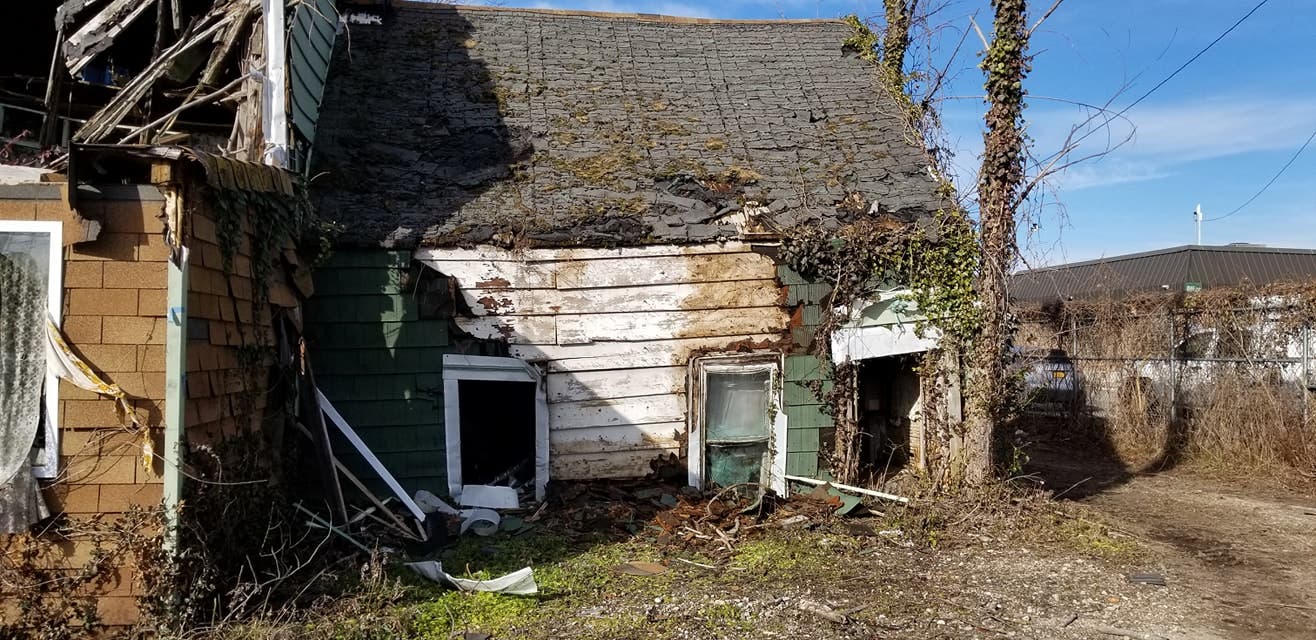
Lupinacci’s office has been working closely with the town historian, engineering department and the town’s African American Historic Designation Council to ensure that the Peter Crippen House, which is in severe disrepair and is set to be demolished, can be properly preserved.
"We are excited to see what is unearthed as the archaeological study proceeds over the next week and we will follow up with any discoveries made during the dig," Lupinacci said.
Find out what's happening in Huntingtonfor free with the latest updates from Patch.
Lupinacci and the current administration see preserving the township's history as a priority. In summer 2020, the town submitted an inquiry to the State Historic Preservation Office seeking eligibility for listing in the National Register of Historic Places. In September 2020, Lupinacci and Town Historian Robert Hughes secured an $8,500 donation from the Manes Peace Prize Foundation to conduct an archaeological study on-site before any demolition occurs at the Crippen House.
The town also applied for $4,000 in Preservation League of New York state grant funding for a structural assessment of the house to determine to what extent the building, or its timbers, can be preserved for reconstruction at another site. The potential site has not been decided.
In November 2020, the State Historic Preservation Office determined that the house is eligible for listing on the National Register of Historic Places, which makes the property eligible for state grant funds. The town is waiting for a decision on the grant funding.
Councilwoman Cergol said she's pleased to be a part of the archaeological exploration at the Peter Crippen House.
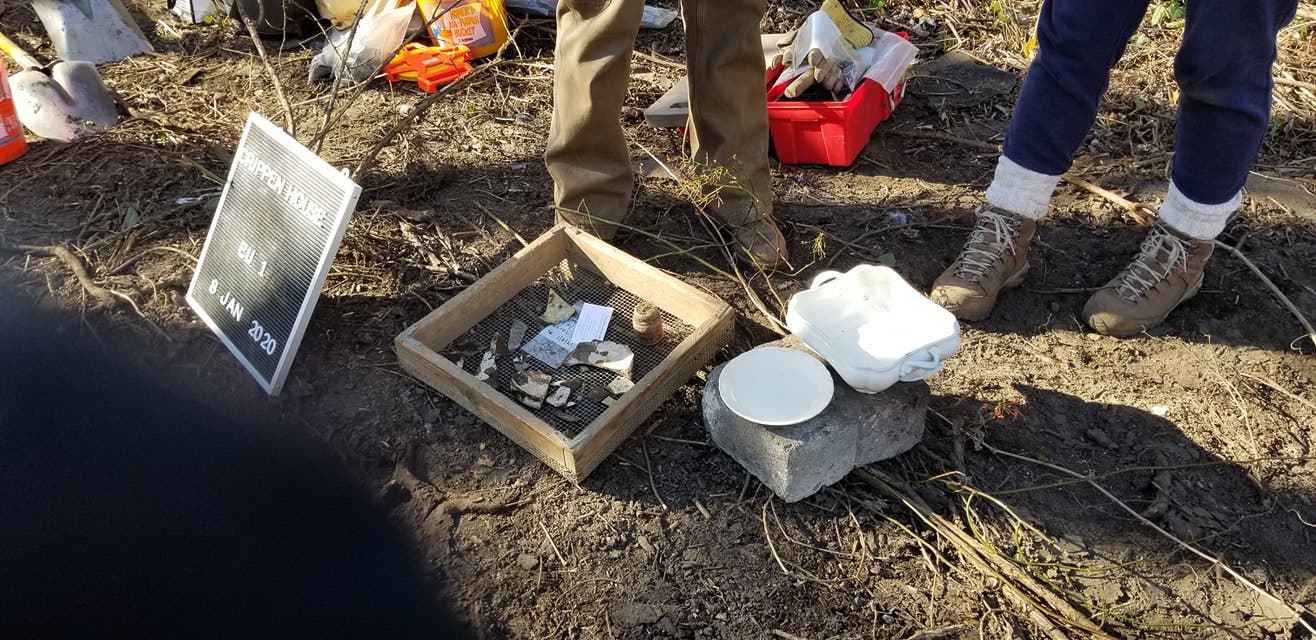
"Based on the artifacts that have already turned up after day one, I remain optimistic that more will follow to better inform and connect us to Huntington’s African American history and Mr. Crippen’s personal legacy here," she said.
The north wing of the Peter Crippen House is believed to be the town's first mill building built in 1658; the mill was taken out of service in 1672, moved from Mill Lane to Creek Road in 1674 and converted into a house.
In 1864, the home was purchased by Peter Crippen, an African American who was born a free person in 1809 on a plantation in Virginia and came to Huntington in the 1830s, arriving to work at the Crossman brickyards in Lloyd Neck in 1836. Crippen was a prominent member of Huntington's African American community: In 1843, he was a founding member of the African Methodist Ebenezer Church in Huntington — currently the Bethel AME Church.
"While the property was not prime real estate, as the building was old even then and on marginal, marshy land, this purchase reflected an important achievement for Crippen, as African American land ownership was rare during this period," the town stated.
After Crippen’s death in 1875, the house was expanded to the south. The house stayed in the Crippen family until the town began a $75,000 purchase of it in 2017 and closed on the property in June 2019. In early 2017, the town board removed the structure’s historic designation because of its deteriorated condition. A public hearing was scheduled for June 2017 to consider the acquisition of the property for use as extra parking for the Huntington Wastewater Treatment Plant, which sits next door to the site.
Councilman Smyth suggested renaming Creek Road after Crippen to honor his achievements as one of Huntington's early African American landowners and as a founding member and trustee of what is now the Bethel AME Church.
"I think it's an appropriate monument to the African American community and to Peter Crippen here at this location to permanently rename this road in his honor," Smyth said.
In December 2019, the Crippen House and accessory garage were declared to be structurally unsound and in danger of imminent collapse by the town's deputy director of engineering, who is a professional engineer. Perimeter fencing with locked gates provides protection to the public. The town prepared a resolution for the demolition of the structures in May 2020. No one can enter the house.
The town has planned to have any demolition or dismantling of the house overseen by its engineering department to ensure any salvageable pieces of the structure will be properly preserved. The contract with the demolition company requires a pre-construction meeting to discuss options to salvage the timber frame of the structure's oldest section. The resolution was not considered by the Town Board until June 2020, when it passed unanimously.
Manes, of the Manes Peace Prize Foundation, which donated $8,500 to the town to conduct an archaeological study at the site, said, "African-Americans made an important contribution to the history of Huntington which needs to be recognized."
Manes' American Peace Prize Foundation honors American people and organizations for their achievements in promoting peace and goodwill to make the world a better place for future generations.
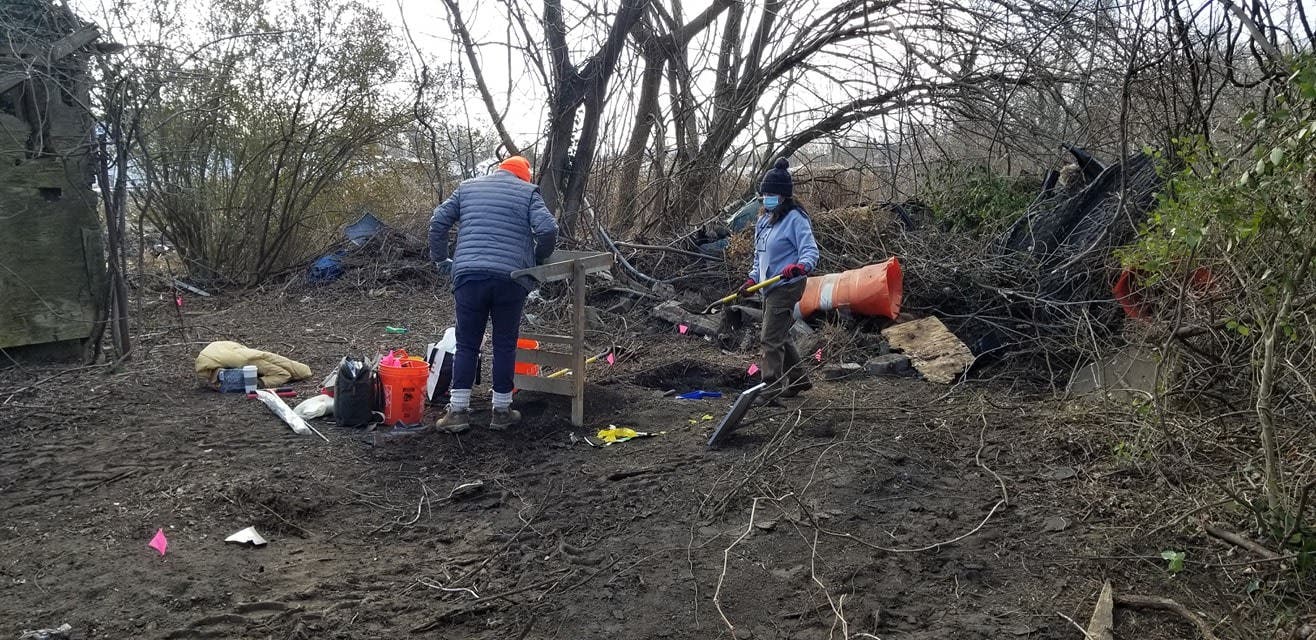
McGovern, an archaeologist with VHB Engineering, is overseeing the dig. She is a well-respected public archaeologist who works with historical societies and local interest groups to investigate aspects of the past through archaeological investigation. McGovern relayed some of her early findings at the news conference, including pieces of ceramics and glass, including a glass Vaseline jar dating back to the turn of the last century. The archaeological study began last Thursday, continued Friday and is expected to resume Wednesday pending weather conditions. It is slated to last roughly 4 to 5 days total.
Get more local news delivered straight to your inbox. Sign up for free Patch newsletters and alerts.