Community Corner
Long Beach Volleyball Leagues Play At Same Rate
Some members say they are dissatisfied with the city's services.
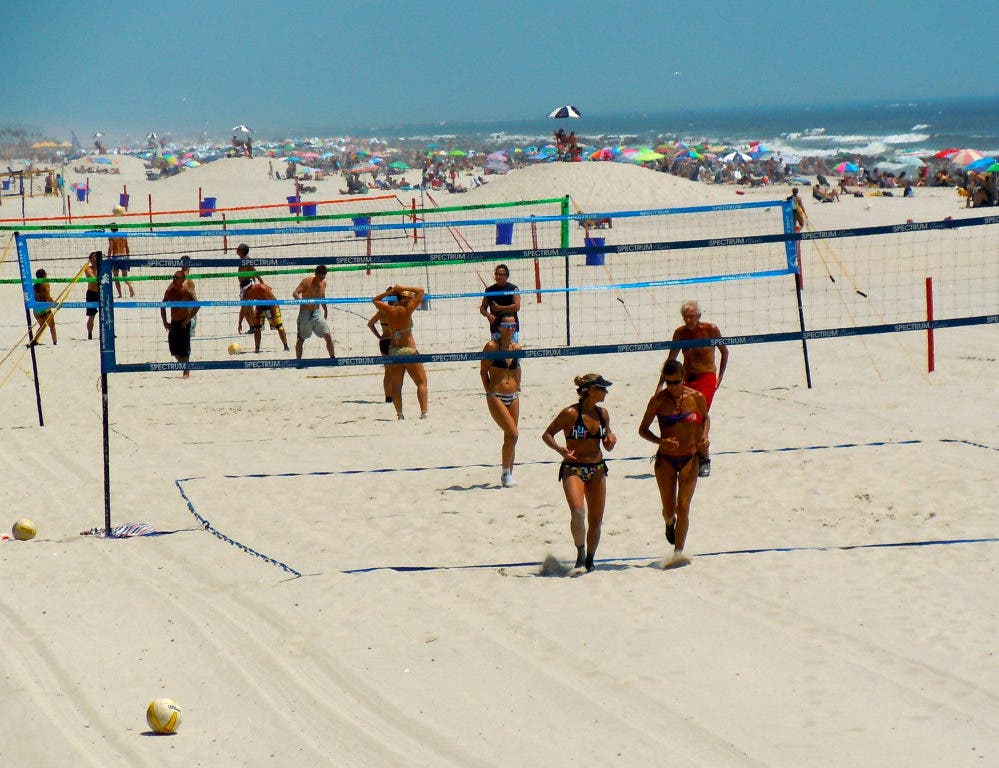
The City of Long Beach earned its anticipated 2010 revenue in volleyball league fees, but confirmed that it will not be raising team rates this summer.
Despite rumors that the city would shut down the popular leagues, City Manager Charles Theofan said, “we’re back to business as usual.”
He added that he didn’t suspect last summer’s rate increase from $100 per team to $150 diluted team participation. He also noted that daily beach passes would also remain at $12 per person, after they were raised last year.
Find out what's happening in Long Beachfor free with the latest updates from Patch.
Meanwhile, City Comptroller Sandra Clarson said that the city earned $63,850 in 2010 from collected volleyball fees, a 50.4 percent increase over volleyball revenues in 2009.
At a City Council meeting in May 2010, Theofan said he expected the city to earn that $63,000. Without looking at the specific numbers, Theofan believed the city had reached the mark considering the robust volleyball community in Long Beach.
Find out what's happening in Long Beachfor free with the latest updates from Patch.
“I’m sure there weren’t any less teams as a result of the rate increase, so it’s generated money for us,” he said. “It has become immensely popular.”
Rich Heiles, director of the East End Volleyball League, said there hasn’t been a decrease in teams participating since last year, but there has been a leveling off, a fact he believes could be attributed to the rate hike.
However, Theofan defended the decision to increase rates, citing the expense to city government to keep the infrastructure that supports the leagues.
“We’re not raising rates to generate money, but to cover the costs of facilitating the teams being able to play there,” he said. “We need to maintain the beach, we need someone to come down there in the evening and close up the bathrooms. We don’t want to be losing money in that endeavor, so from time to time rates are [going to] go up. That’s part of life.”
And while Heiles noted he wasn’t angry with the city, he remarked that the increase in rates has not translated to better services, and that players have complained about how the city has enforced its policies for the leagues.
Heiles pointed to the Facebook group “Long Beach Volleyball Players with Voices and Votes,” a community of more than 700 members unhappy with the city’s rules and regulations, such as the decision to force courts to run east-west, as opposed to north-south, which would allow for more space. The group also takes issue with having to pull out net sand anchors from the court sections each day.
“The real story is how the city is dealing with members as a whole,” Heiles said. “It’s such a huge volleyball community. They should be more friendly and more responsive to beach volleyball, and they don’t seem to be doing that.”