Community Corner
Long Beach Lifeguards Remember First Rescues
Some say they were thoroughly prepared to perform their jobs from the start.


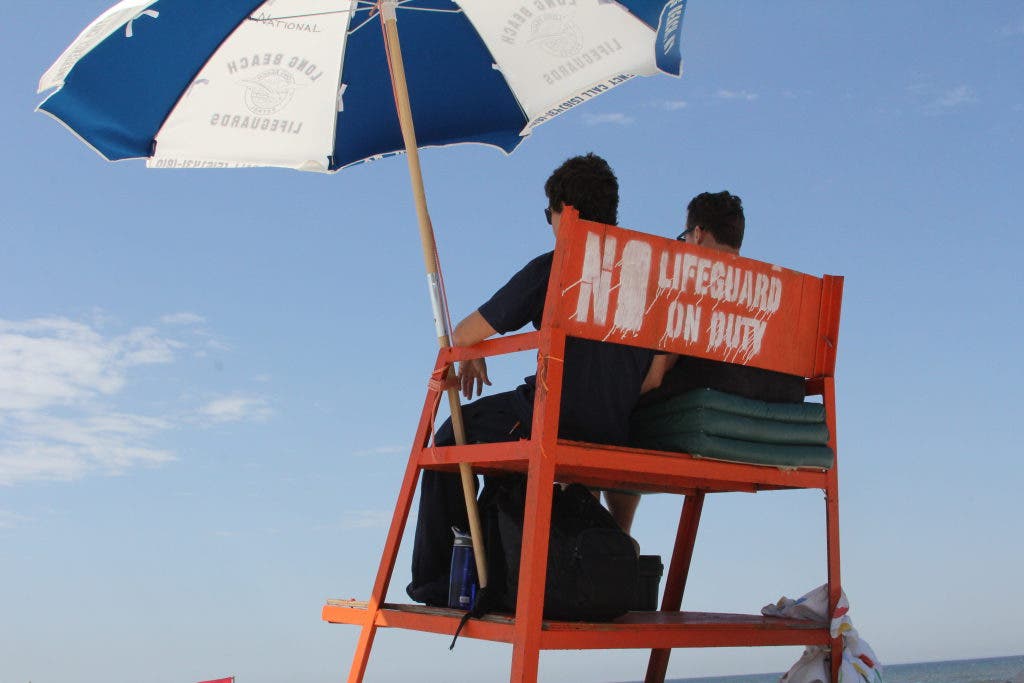
It happened on National Boulevard beach, at about 4 p.m. on a summer day.
“I was expecting to be a lot more nervous, but you do so much training that when the rescue actually comes, it all becomes second nature,” said Long Beach lifeguard Kelly Lester about her first water rescue last summer.
A rip tide had opened up out of nowhere and sucked in four people at the same time. But Lester, a 20-year-old college student at UC Berkley, said she felt absolutely prepared when she rescued a Turkish man who didn't speak English.
Find out what's happening in Long Beachfor free with the latest updates from Patch.
“You go through rookie training your first summer, and then every summer after that, each crew does workouts where we go through different scenarios that we might encounter,” she said.
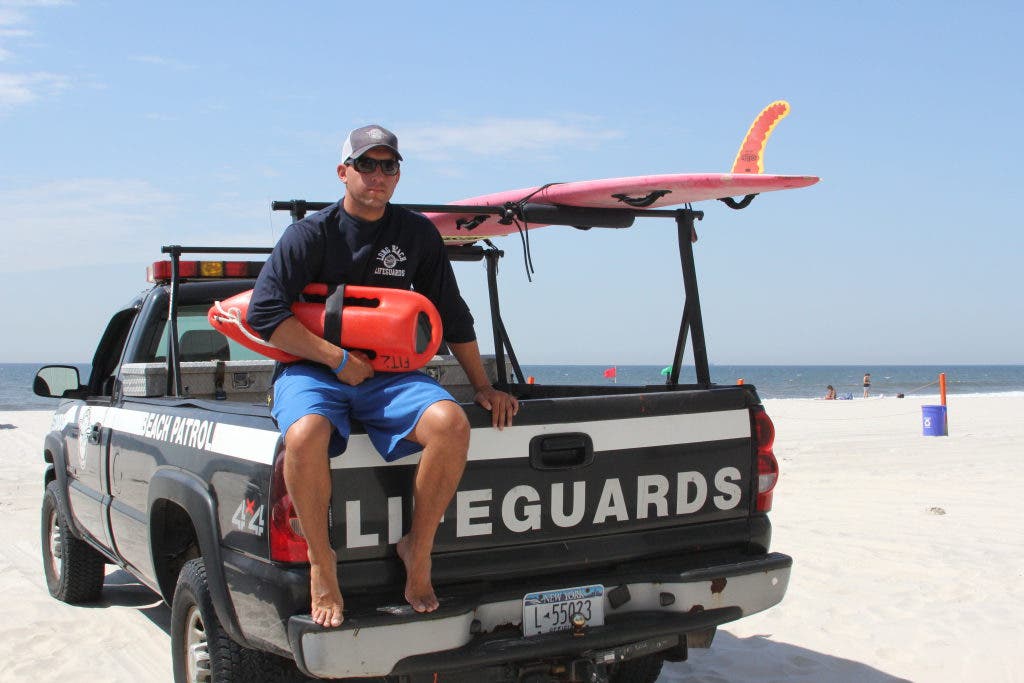
Justin Fitzmarten has been a lifeguard in Long Beach for 11 years and a senior guard on Franklin Boulevard beach for the past six years. His first rescue came during his first summer lifeguarding as a 16-year-old.
Find out what's happening in Long Beachfor free with the latest updates from Patch.
“We had two kids that were on boogie boards and they got caught in the rip and started floating down the beach,” Fitzmarten recalled. “They thought because they were on boogie boards they would float and catch a wave.”
Fitzmarten went in with another guard to rescue the boys.
“At the time I was thinking, hopefully we get these kids in, but I knew that I was able to do it,” he said. “As a first rescue, it was a good experience.”
In Nassau County, an oceanfront lifeguards are required to retake the Grade III lifeguard test every three years to ensure they are updated on various protocols. Fitzmarten stressed the importance of timing and how it can mean the difference between life and death.
“Over Memorial Day weekend, I was part of the rescue on Long Beach Road, and we pulled them out just in time,” Fitzmarten said about an incident in which . “If it was a couple of minutes or even seconds later, they probably both would have been dead.”
Let Patch save you time. Get breaking news and great local stories like this delivered right to your inbox or smartphone everyday with our free newsletter. Simple, fast sign-up here.
Justin Cisario, a lifeguard in Long Beach for 20 years and rookie lifeguard trainer, had his first rescue in 1993. His memory of the details is a hazy now, but he does remember the first time he had the responsibility of running a rescue.
There were several people caught in a rip current that pulled them around a jetty. Since the victims were so far out, Cisario and the other lifeguards attempted to put a rescue line out, but it broke.
“Sometimes equipment fails, so you go to your secondary protocol, which is getting another line down,” Cisario explained. “It was a lot to handle, but I just counted myself very fortunate. I had good people with me.”
Cisario pointed out the significant difference technology has made in their rescues since he first started. Now lifeguards have handheld radios and cell phones.
“The radios help us communicate with EMS right away,” he said. “Back in 1993, it was a totally different world when I first started.”
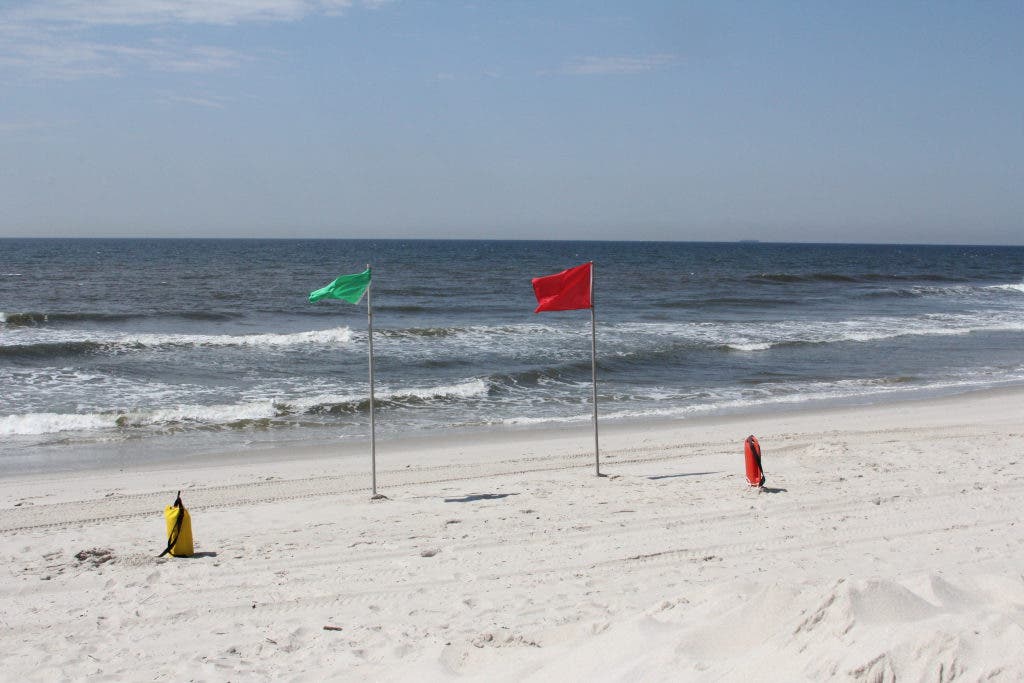
Lester, Fitzmarten and Cisario all recommend that beachgoers only swim when there is a lifeguard on duty and to listen to the lifeguards’ instructions, such as swimming between the green flags on the beach. The swimmers who drown in Long Beach invariably go in the ocean after 6 p.m., when the lifeguards are off duty. Almost all are out-of-towners.
Growing up in Long Beach, Lester, Fitzmarten and Cisario have learned to respect the ocean, knowing it has a figurative mind of its own.