Politics & Government
Village Board Hears Concerns About Phone Antennas
Hearing on Application by NextG to install nine Distributed Antenna Systems in Massapequa Park.


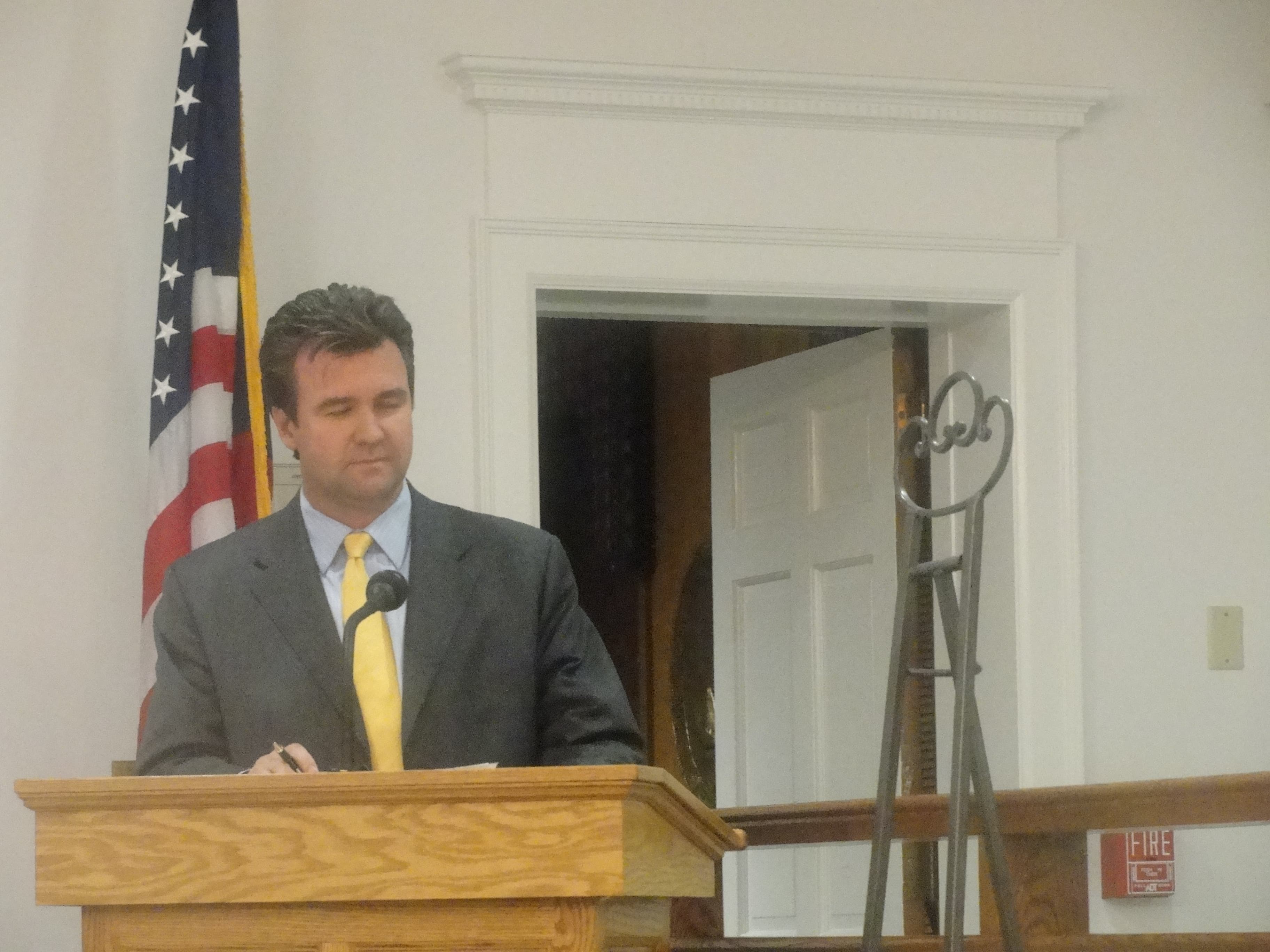


A plan to install an antenna system on utility poles in residential areas of Massapequa Park drew protests from homeowners at a hearing by the .
NextG Networks has submitted an application to the village to install nine Distributed Antenna Systems (DAS) on area poles, Dan Deegan, a lawyer representing the company told the Board Monday night. The company has a contract to install the equipment for wireless service provider Metro PCS.
The DAS equipment, called nodes, that would be put on the utility poles are made up of storage boxes and an antenna. They are less powerful and have less of a range than cell phone tower antennas.
Find out what's happening in Massapequafor free with the latest updates from Patch.
Deegan said the company was appearing before the board despite its contention that it don't need the board's permission to install the equipment, due to NextG's status as a utility.
"Because the Village of Massapequa Park and many other villages throughout Long Island do not require LIPA or Verizon to go in and get a building permit or go through a public process every time they want to put a new transformer up or a new piece of equipment on thier telephone polls, likewise, the federal law requires that NextG as a utility installing on a public right of way be treated the same way," Deegan said.
Find out what's happening in Massapequafor free with the latest updates from Patch.
The lawyer said the company was appearing before the board in an effort to work with the community.
But there was one issue that the board couldn't question Deegan about. When one resident asked if the equipment is safe, Mayor James Altadonna responded, "Unfortunately we're not allowed to talk about that."
The mayor explained that federal law prohibited the discussion, adding that,"the federal government tells us it's not a health risk. This is the same Federal government that told us the air quality was OK on 9/11."
In his opening comments, Deegan insisted the equipment doesn't pose a danger to the community.
"These nodes put out a very low power level," he said. "Approximately 50,000 times less than what the federally mandated safety level is."
Despite being unable to question Deegan on safety, Altadonna did press him on several issues and asked him repeatedly if the company would be willing to bury the boxes.
"Our feeling is if you buried it, at least you'd have that portion of the component not visible," he said. "These are very large boxes.
At one point the mayor asked residents at the meeting if they'd be satisfied if the boxes were buried, most said they would.
Deegan said he would bring the idea back to the company.
Several residents expressed concerns that there may be more requests to install equipment down the road, particularly since NextG initially asked to install only one node before upping the request to nine.
"Right now there are no requests from our current customer, that doesn't mean that their never will be," Deegan said, later explaining that it's impossible to predict the demand for service.
Altadonna also requested r that NextG prove Metro PCS needs the antennas to provide service. Deegan says that the company has given NextG a plan that shows where they need coverage, but it wasn't clear if the Board had received it.
"They're not paying money to build if they don't need it," Deegan said after the meeting.
Both sides agreed to continue the dialogue, but for now, Altadonna said he's not satisfied with what he's heard so far.
"I didn't hear anything we've requested," he said. "When they say they'll bury the boxes, when they say there's an actual need for this, then we can move forward."
Get more local news delivered straight to your inbox. Sign up for free Patch newsletters and alerts.