Health & Fitness
State Report: Dutchess Leads in Heroin Overdose Death Rate
Dutchess, Westchester, Orange and Ulster counties had more than 20 heroin-related deaths between 2009-14, numbers dwarfed by Suffolk County.


By LISA FINN (Patch Staff)
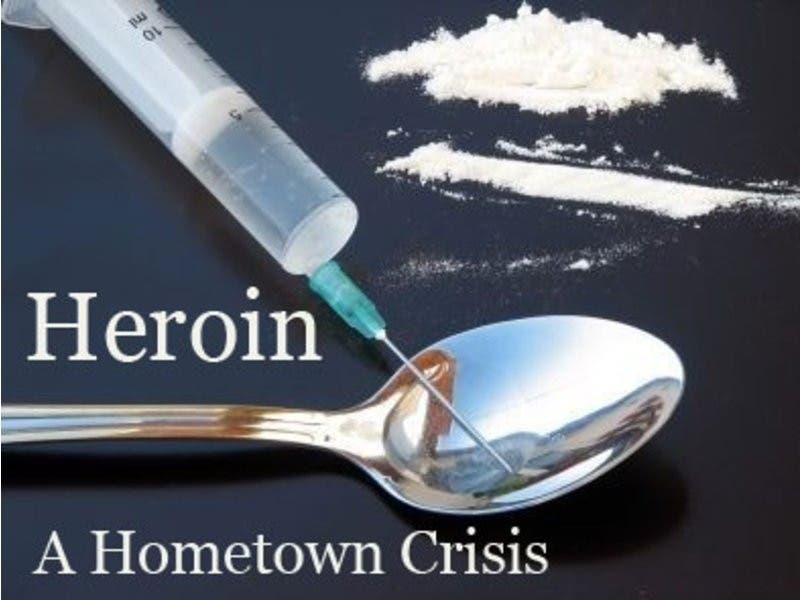
The "New York State Opioid Poisoning, Overdose and Prevention" report prepared for New York State Gov. Andrew Cuomo and the New York State Legislature was unveiled in early April, and it shows the highest rate of heroin-related overdose deaths between 2009 and 2014 were in Dutchess County.
The report "provides an overview of opioid-related mortality and morbidity and other consequences of heroin and prescription opioid misuse across the state over the last five years," the document states. It also details the work being done to combat it.
Find out what's happening in Mid Hudson Valleyfor free with the latest updates from Patch.
The report shows the highest rates of heroin-related overdose fatalities from 2009-13 was seen in Dutchess -- 5.5 percent.
Four Hudson Valley counties were among the 15 in the state with more than 20 deaths involving heroin in that timeframe. Suffolk County led the state in heroin-related overdose deaths by a wide margin, with 337, compared to 119 in Westchester, 76 for Dutchess, 37 in Orange and 22 in Ulster County.
Find out what's happening in Mid Hudson Valleyfor free with the latest updates from Patch.
According to the report, opioid-related emergency department visits increased statewide 73 percent from 2010 to 2014. The number of heroin-related deaths increased in 2013 to 637, and opioid analgesics related deaths rose to 952, increases of 163 percent and 30 percent from 2009, respectively.
In 2013, an average of two New Yorkers a day died of heroin-related overdoses, the report said. More than four times as many men died of one of these overdoses compared to women; whites died of heroin-related overdoses at a rate of nearly twice that of blacks, and almost 1.35 times that of Hispanics.
"The upward trend in heroin-related overdose fatalities among younger New Yorkers is particularly alarming," the report states. "Half the people who died were under age 35."
Also, the amount of money the state is spending to combat overdoses has jumped.
According to the report, from 2006 to 2013, the NY Department of Health had less than $300,000 annually in State funding to provide naloxone to registered opioid overdose prevention programs. In 2014-15, NYSDOH, OASAS and NYS Division of Criminal Justice Services spent more than $3.5 million on naloxone, an amount expected to increase in 2015-16.
Numbers not surprising
“These numbers are absolutely devastating, but shouldn’t be a surprise to anyone," said Dr. Jeffrey Reynolds, president and chief executive officer of the Family and Children's Association in Mineola. "Treatment professionals and bereaved families have, for more than a decade now, been warning about the worsening crisis. There are still gaps in school-based prevention, waiting lists for treatment slots, insurance company barriers to care and too few resources designed to support those who do find a path to recovery."
Bur, he added, "Some good things have happened recently, including more than $25 million in new addiction services funding in the recently passed state budget, but our slow collective response gave heroin a 10-year running head start. Now we are trying desperately to catch up."
Although Narcan saves are reported daily, Reynolds said education is critical: "The widespread distribution of naloxone has prevented many overdose fatalities, but too often, I’m seeing folks revived, brought to an emergency room only to be discharged within an hour and dead of a subsequent overdose within 24 hours. This is a huge missed opportunity and we need to make sure that those who are revived are properly counseled, their families are supported and we help them find a path into treatment."
He added, "If we truly want to turn a corner and see a drop in overdose fatalities, we need an all-out sustained push that involves everyone – schools, cops, health care professionals, treatment providers, families and entire communities. And we all have to agree than one overdose is too many.”
The report concludes that "The increasing numbers of New Yorkers negatively impacted by opioid-related overdoses challenges the State to continue collaborations and include additional partners in treatment, education, law, public safety, medical practice, professional associations, pharmacies, and other businesses."
Officials are endeavoring to reach more people by:
- Building on the momentum brought by training first responders and people who are likely to witness an overdose in opioid overdose prevention and equipping them with naloxone.
- Developing and implementing uniform standards for toxicology testing in identifying drug poisoning deaths. Getting this critical data early will help identify patterns and assist in developing community interventions quickly.
- Broadening overdose prevention and naloxone training to include probation, drug court and criminal court judges, family court, defense attorneys and prosecutors.
- Widening access to overdose prevention with naloxone with pharmacists, health insurance providers, and educational institutions.
- Improving access to quality opioid agonist treatments, buprenorphine and methadone, which have strong scientific support for their effectiveness in reducing risk factors and opioid use that leads to fatal overdoses.
- Expanding implementation of the opioid antagonist long-acting injectable naltrexone to prevent overdoses. All State-operated Addiction Treatment Centers (ATCs) offer this to patients.
- DCJS, OASAS, DOH, and DOCCS working together to increase the availability of pharmaceutical treatments for opioid addiction in prison, drug courts, and other treatment programs for those who are most at risk.
- Improving medical education about preventing opioid overdose through increased awareness of risks that could lead to overdose; encouraging co-prescribing of naloxone with opioid analgesics, and engaging primary care, pain and palliative care practitioners, and other medical care providers.
- Continuing to educate prescribers to use I-Stop, the New York State prescription drug monitoring program, which helps identify where individuals are receiving multiple prescriptions for pain medications and other sedatives, which may contribute to overdose deaths.
- Educating people who use drugs, their friends and loved ones to reach out for help when needed, especially when witnessing someone overdosing, through continued support for community overdose prevention programs and new programs; increasing and sustaining targeted public information campaigns to know the signs of overdose and respond effectively and call for medical assistance; and training and equipping them with naloxone.
- Developing new strategies for reaching more young people through collaborations with universities and through social media contact.
- Improving surveillance, data collection and analysis to increase our ability to identify problem areas, knowledge gaps and trends in drug use so that resources are optimally deployed for early, targeted interventions to reduce overdose fatalities.
- Reducing accidental overdose through improved care coordination and interoperability of electronic medical records, while strictly protecting patients’ privacy.
- Assessing accessibility, quality and effectiveness of content in school curricula.
- Partnering with professional associations to develop standards for effective substance use prevention education for young people, family members and residents of communities most affected.
- Monitoring and assessing existing initiatives to determine where needs are unmet, where improvements could be made, and where successes occur and what they look like.
Read the full state report here.
Patch Editor Lanning Taliaferro contributed to this report.
Get more local news delivered straight to your inbox. Sign up for free Patch newsletters and alerts.