Traffic & Transit
The 15 Minutes When NYC Streets Are Most Dangerous
A Patch analysis of crash data reveals when New Yorkers face the highest risk on city streets.


NEW YORK, NY— As the afternoon commute peaks, New York City’s streets compress into stop-and-go traffic where congestion, distraction and failure to yield collide.
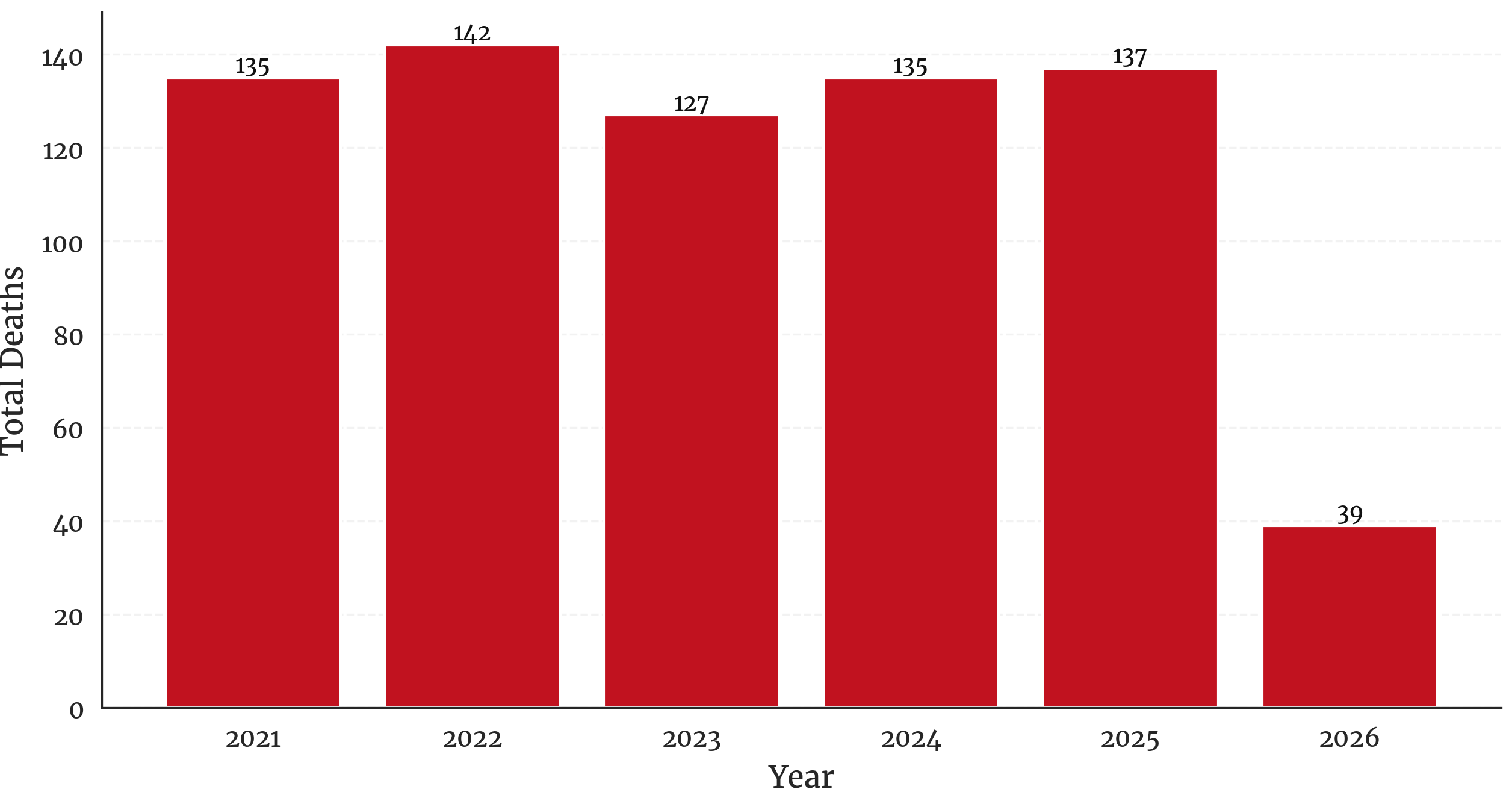
Crash data from 2021 through 2026 show 72,737 injuries and 715 deaths across the city, with one brief stretch emerging as the most dangerous time of day, according to NYPD crash data analyzed by Patch.
The same data documented 72,737 injuries and 715 deaths citywide during the period.
Find out what's happening in New York Cityfor free with the latest updates from Patch.
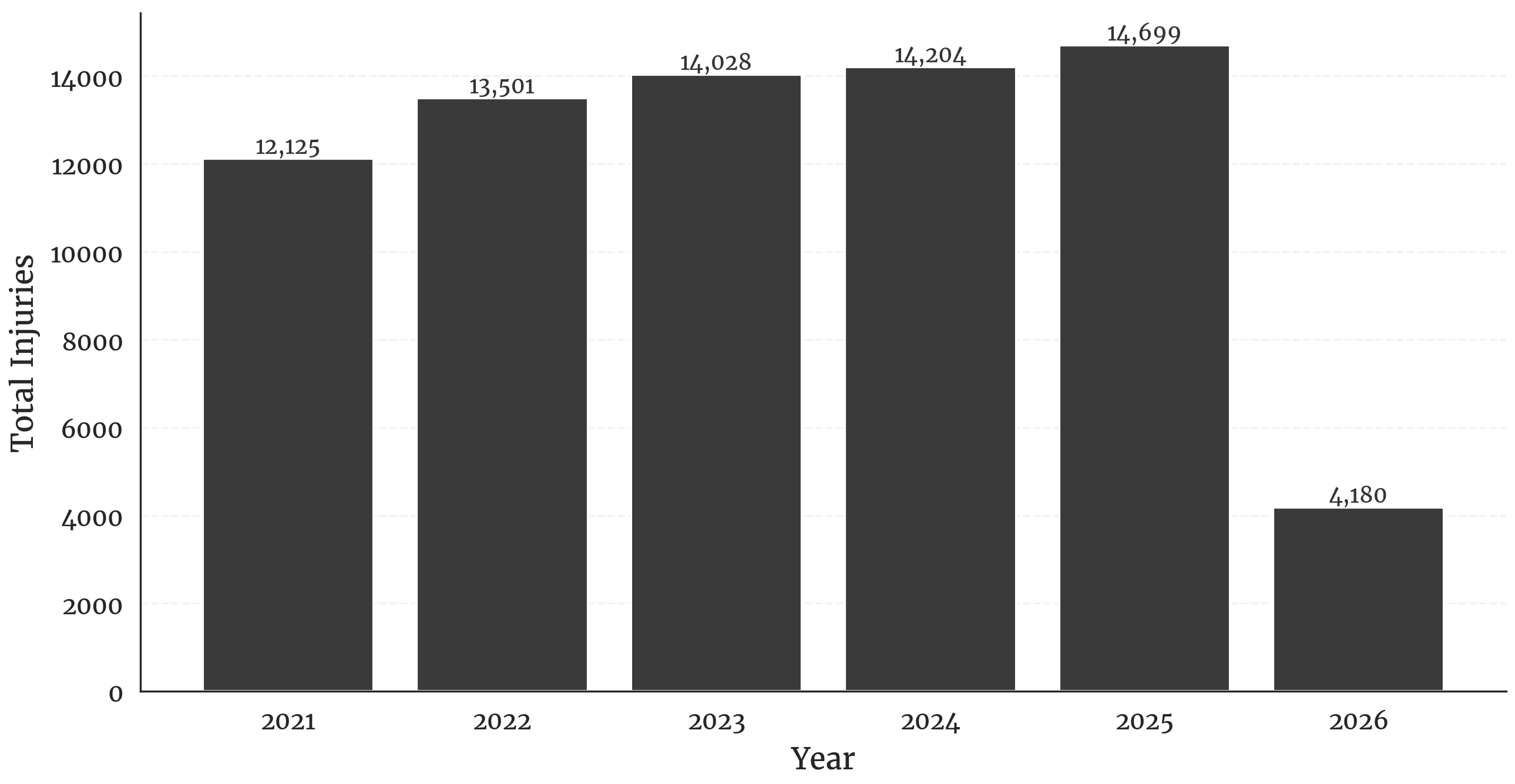
The number of injuries rose each year until reaching a peak of 14,699 injuries in 2025.
Yearly Trend in NYC Traffic Injuries (2021–2026)
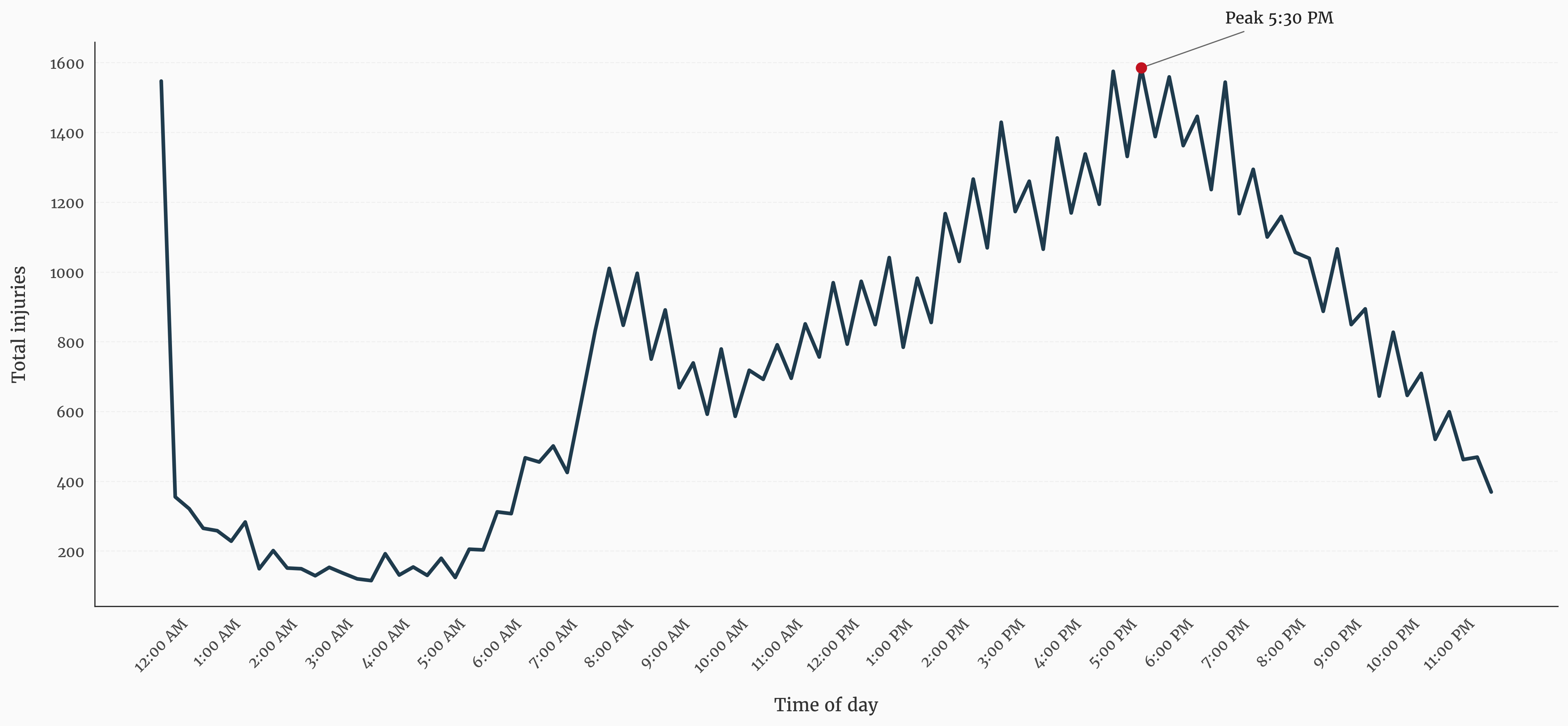
And, at 5:30 p.m., New York City streets reached their most dangerous point.
Find out what's happening in New York Cityfor free with the latest updates from Patch.
Driver inattention and distraction appeared in 18,488 crash reports, making it the leading identified contributing factor. Failure to yield right-of-way appeared in 13,740 reports.
“This administration will be acting with urgency to redesign our streets to improve safety for riders and working to hold app companies accountable for incentivizing dangerous riding behavior,” a spokesperson for the New York City Department of Transportation wrote in a statement.
The department said deaths involving riders of e-bikes, mopeds, scooters and motorcycles have fallen 39 percent since 2023 under the city’s Vision Zero strategy.
Hourly Pattern Of Cyclist Injuries In NYC Crashes
The Department of Transportation fell short of legally mandated targets for bike lanes, bus lanes, and bus stop upgrades in 2025, raising concerns about the city’s ability to meet the 2019 Streets Plan goals under the new mayoral administration.
The city installed 18.2 miles of protected bike lanes in 2025, well below the 50 miles required by law. Bus lane construction reached 20.8 miles, missing the 30-mile benchmark. Bus stop upgrades totaled only 18 completed sites, despite a legal requirement of 500.
Commissioner Mike Flynn told the City Council that capacity constraints and delayed or canceled projects under the previous administration contributed to the shortfall.
“To be honest, the implementation of the Streets Plan and the capacity to do that was not fully prioritized by the previous administration,” he said.
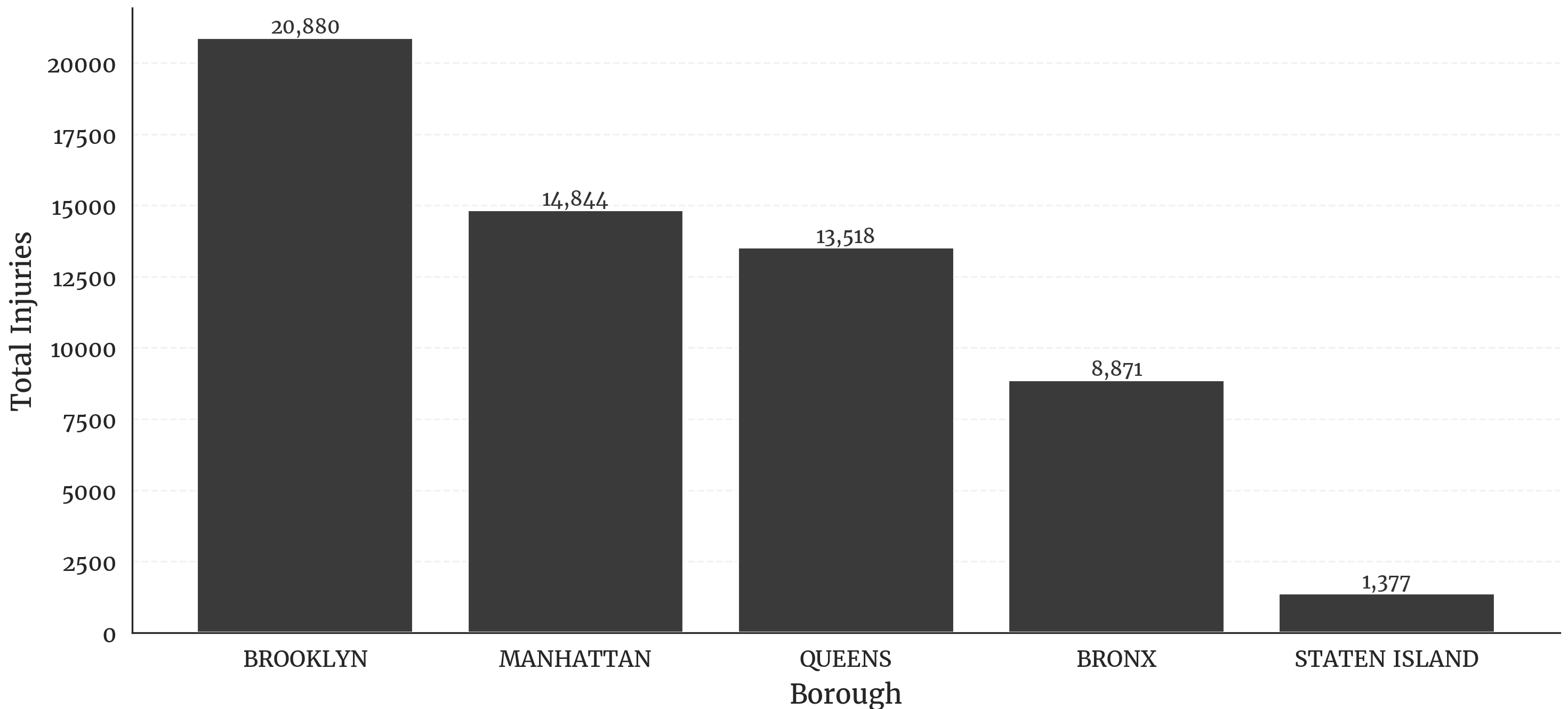
Brooklyn recorded the highest totals with 20,880 injuries and 175 deaths. Manhattan followed with 14,844 injuries and 115 deaths. Queens recorded 13,518 injuries and 110 deaths.
Where Traffic Injuries Are Concentrated In NYC
Under Mayor Zohran Mamdani’s administration, transportation officials have advanced plans to expand protected bike lanes and redesign streets around Central Park, including a proposal that would remove traffic lanes on West 72nd Street.
The city has also opened a public feedback process for 50 proposed e-bike battery-swapping cabinet locations across the boroughs.
At the same time, lawmakers and safety advocates continued pushing for tighter e-bike regulations.
At Bellevue Hospital, trauma surgeon Angela Pfaff described a steady stream of patients injured in e-vehicle crashes.
“I see an e-vehicle injury every single day,” Pfaff said.
Yearly Trend in NYC Traffic Fatalities (2021–2026)
Citi Bike price increases have also drawn scrutiny amid concerns that higher per-ride costs may be contributing to faster, more aggressive riding patterns linked to crashes.
“I feel that pressure,” Citi Bike member Burak told Streetsblog near Prospect Park. “I want to lock it and unlock it very quickly.”
Some riders said the system encourages faster trips to reduce cost.
“The fare hikes honestly encourage me to bike more aggressively and cut through traffic to reduce my ride time/cost,” one Reddit user wrote, according to Streetsblog reporting.
A 2025 survey by researchers at Hunter College found Citi Bike e-bike riders were 14 percent less likely to yield to pedestrians at crowded intersections than other e-bike users, including delivery workers.
Brooklyn Council Member Lincoln Restler introduced legislation aimed at addressing rising costs.
“We have the most expensive bike share program in the country, and have to rein in these fees that are just getting out of control,” Restler told Patch.
His proposal would require pricing rules to be incorporated into the city’s contract with Lyft when it is next renewed or amended.
“If and when we pass legislation, it would require that our bill is incorporated into the Citi Bike contract the next time their contract is amended or renewed,” he said.
Outside New York, lawmakers in New Jersey approved new rules requiring e-bikes to carry registration and insurance beginning in July 2026. New York does not require statewide registration for e-bikes, though local rules govern where riders may operate them.
Get more local news delivered straight to your inbox. Sign up for free Patch newsletters and alerts.