Arts & Entertainment
Documentary Delves into Men Convicted Under Anti-LGBTQ British Law
'Forgetting the Many: The Royal Pardon of Alan Turing' Premieres at Next Weekend's Chelsea Film Festival


The Chelsea Film Festival is set to feature the compelling documentary Forgetting the Many: The Royal Pardon of Alan Turing on October 20th at Regal 14 in New York City. Directed by Rosemarie Reed, this thought-provoking film is not just about Turing’s posthumous pardon; it delves into the broader impact of the 1885 British law that criminalized male homosexuality and the many men who were unjustly convicted under it. After its premiere at Chelsea Film Festival, the film will have a one-week theatrical run at Cinema Village, giving audiences further opportunity to engage with this poignant piece of LGBTQ+ history.
According to Ms. Reed, her interest in human rights and social justice issues fueled her determination to shine a light on this painful chapter of British history. Turing, famed for his pivotal role in cracking the Nazi Enigma code during World War II, was also a victim of his time’s oppressive laws, convicted for homosexual acts in 1952. However, Reed was not just interested in Turing’s pardon, granted by Queen Elizabeth in 2013. “There were 49,000 other men who did not receive a pardon,” she noted, highlighting the injustice that lingered long after Turing’s death.

The film begins with Turing’s story, but it quickly expands to focus on the lesser-known men whose lives were forever altered by the 1885 law. Reed’s approach is to let the audience “get to know the men as human beings,” she said. Through their personal narratives, viewers learn about their arrests, convictions, and the devastating consequences these charges had on their lives. These stories, while heartbreaking, are integral to understanding the wide-reaching impact of the law, which was particularly damaging because of its vague language. The term “gross indecency,” Reed explained, allowed authorities to prosecute men with little to no evidence of actual sexual activity. As a result, countless lives were ruined.
Find out what's happening in New York Cityfor free with the latest updates from Patch.
Reed’s documentary also raises new questions about Turing’s death. While the official cause was suicide by cyanide poisoning, the investigation was sloppy, according to Reed. The apple found next to Turing’s bed was never tested for cyanide, and the coroner seemed to leap to conclusions, fueled by prejudice. “He just assumed he killed himself… [saying] ‘in a man of his type, one never knows what his mental processes are.’” Reed explores the possibility that Turing’s death could have been a tragic accident, an angle that adds yet another layer of complexity to his story.
A particularly poignant aspect of the film is its exploration of how anti-gay laws continue to affect people today. Reed was deeply moved by one interviewee, Apoteka Aparte, a woman who fled her country due to worsening conditions for LGBTQ+ people. Reed highlights how British colonial laws left a lasting legacy in many former Commonwealth countries, where anti-LGBTQ+ sentiment has only intensified. The film touches on how outside influences, including American Evangelical groups, have worsened conditions in these countries. Reed finds it appalling that these influences continue to perpetuate violence and persecution against LGBTQ+ individuals.
Find out what's happening in New York Cityfor free with the latest updates from Patch.
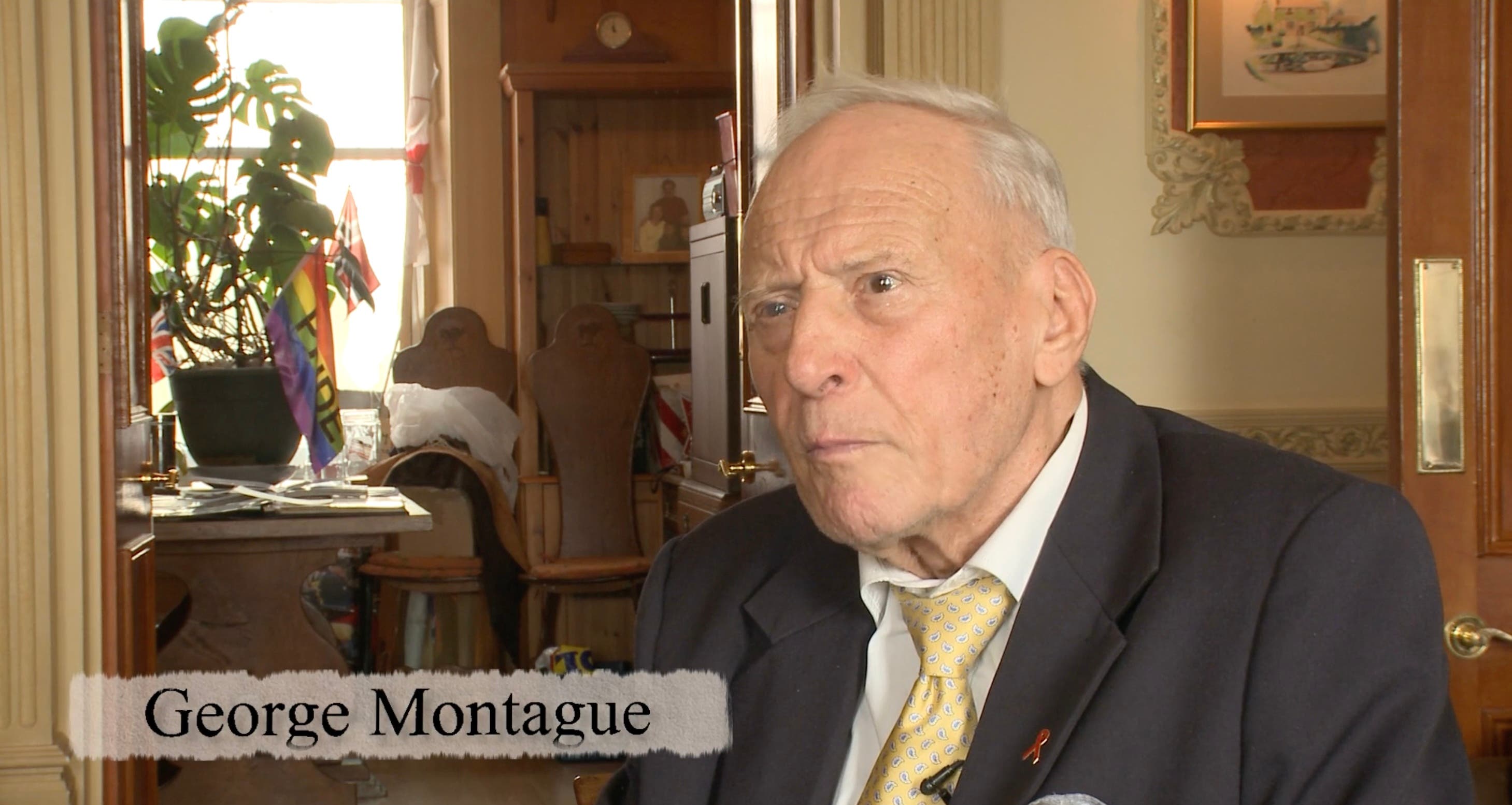
One of the film's more jarring revelations is that some men arrested under anti-gay laws still carry criminal records, even for consensual acts in public spaces like toilets. Reed pointed out the harsh reality: “These men lost their jobs, children abandoned them, wives left, and the family was torn apart.” Despite the Royal Pardon extended to Turing, there is no legal recourse for these men, as the act of having sex in a public space remains a crime in the UK. Reed’s film forces the audience to reckon with the ongoing consequences of such outdated laws.
Ben Whishaw’s narration brings another powerful element to the film. Known for his distinctive voice, Whishaw approached the script with objectivity, choosing to narrate without overt emotion. Reed praised his performance, saying that his understated delivery allowed the emotional weight of the men’s stories to speak for themselves. This balance, she believes, makes the film even more impactful.
Reed hopes that Forgetting the Many will encourage audiences to reflect on the contemporary struggles for LGBTQ+ rights. While progress has been made, there are still many injustices to address. She emphasized that while Turing received a pardon, most of the 49,000 men convicted under the 1885 law have not. For Reed, the film is a call to action. She wants to see these men exonerated and for society to reckon with the lasting effects of criminalizing homosexuality.
With Forgetting the Many, Reed offers a powerful reminder of the human cost of oppressive laws. The documentary's screenings at the Chelsea Film Festival and Cinema Village promise to inspire conversations about justice, history, and the ongoing fight for LGBTQ+ rights around the world.