Neighbor News
Ephraim Zagelbaum: Elderly Care in Times of Quarantine
Ephraim Zagelbaum, New York-based healthcare executive, shares tips on how to take care for the elderly, in times of quarantine.
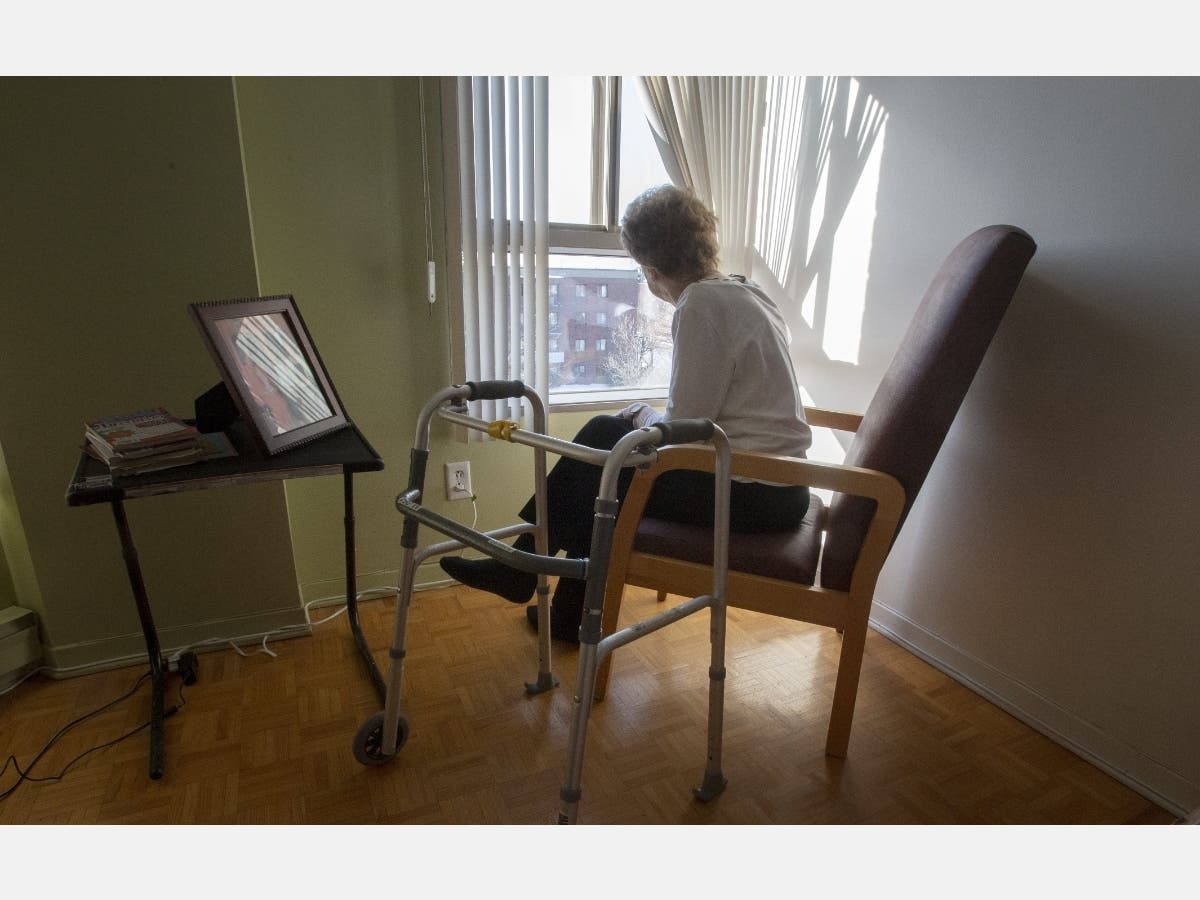
Ephraim Zagelbaum, New York-based healthcare executive, CEO of Personal Healthcare, shares that the elderly are the most vulnerable to the coronavirus, in fact they have a higher death rate, only of the confirmed cases in China, at least 15% of the patients older than 80 died. Unlike people under the age of 50, who have a death rate of less than 1%.
“The elderly are one of the populations most vulnerable to the coronavirus, so we must take care of them as well as possible,” says Ephraim Zagelbaum.
Although there is no constant evidence of the probability of infection in older adults, Zagelbaum says that people who are around 60 years of age and older are more prone to this disease. All of this could be related to a weak immune system over the years.
Find out what's happening in New York Cityfor free with the latest updates from Patch.
“If you have an elderly person at home, it is better to take the safety measures recommended by the Centers for Disease Control and Prevention, the World Health Organization, geriatricians and infectious disease specialists,” says Zagalbaum.
In this interview, the CEO of the New York-based senior care management company, Personal Care, will share more about how to take care for the elderly, in times of quarantine.
Find out what's happening in New York Cityfor free with the latest updates from Patch.
Why are the elderly more prone to COVID-19?
Ephraim Zagelbaum: The majority of the elderly patients have some chronic condition and even if it is controlled it can be dangerous when they infect with the coronavirus. Therefore additional precautions must be taken.
Which are the most risky diseases?
Ephraim Zagelbaum: Diabetes, for example, can make it harder to fight an infection, and a heart condition or underlying lung disease may make it harder for those organs to keep up with the demands of a serious COVID-19 infection.
What about the regular medical appointments? Should they be cancelled?
Ephraim Zagelbaum: I advise canceling scheduled medical visits that are not urgent, to avoid places with high epidemiological risks such as hospitals. Another helpful tip is to talk to your doctor to stock up on two to three months of prescription essential drugs.
Should they be isolated completely?
Ephraim Zagelbaum: A study by the Pew Research Center in at least 130 countries found that at least 17% of people over the age of 60 live alone, which can affect their health. Although attending meetings is not recommended, older adults can make phone calls, even using technology like Skype or FaceTime.
What about their diet and exercise in times of quarantine?
Ephraim Zagelbaum: As we already know, taking care of the elderly includes maintaining good eating habits, as well as enough time to sleep and exercise. Even exercise generates mental and emotional benefits. They can take walks inside the room, hallway or garden. These tips will make seniors feel active and keep them from becoming depressed.