Neighbor News
How a 50-Year-Old Italian Truffle Brand Is Redefining a Culinary Classic for the Modern Table
Tartuflanghe, located outside Alba, the global capital of white truffles, is keeping a centuries-old tradition alive for new generations

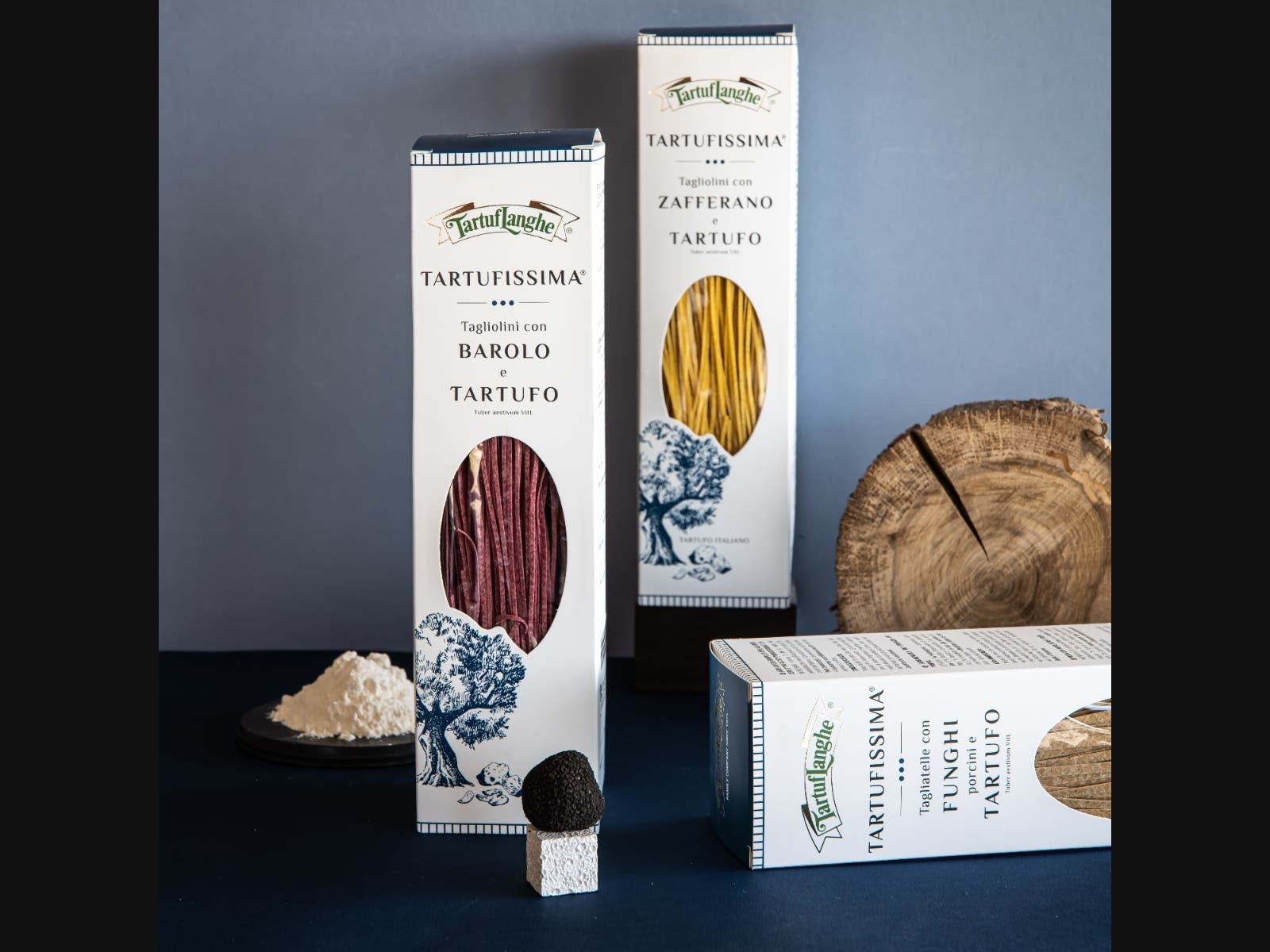
In a food world that constantly races toward the next big thing, few ingredients hold the enduring mystique of the truffle. Not the sweet kind dusted in cocoa, but the earthy, aromatic fungi that grow underground near the roots of trees like oak and hazelnut.
Prized for centuries and often costing more than gold by weight, truffles have traditionally been the domain of Michelin-starred chefs and white tablecloths. But at a recent food event, I came across one family-owned company from northern Italy that is changing that ball game without sacrificing tradition.
Founded in 1975 in the heart of Piedmont, Tartuflanghe has spent the last five decades bridging old-world craftsmanship with modern culinary demands. As truffle prices rise and global palates evolve, the company has leaned into innovation, creating new ways for people to experience truffles, whether at a fine restaurant or on a weeknight at home.
Find out what's happening in New York Cityfor free with the latest updates from Patch.
Bringing Truffles to the World
Truffles are not mere fancy, flavorful ingredients, but are packed with functional elements good for the human body. Studies have shown that truffles contain bioactive compounds with antioxidant and antimicrobial properties. As the food culture is increasingly valuing both health and indulgence, Tartuflanghe’s products sit perfectly at that intersection.

“Interest in truffles has grown exponentially over the past 15 years,” says Paolo Montanaro, President and Owner of Tartuflanghe. “Countries like South Korea, Peru, China, and markets in the Middle East have developed a growing appetite for Italian cuisine and truffle-based products.”
Find out what's happening in New York Cityfor free with the latest updates from Patch.
Tartuflanghe has played a pivotal role in this global rise. In fact, the company invented the world’s first truffle pasta in 1990. Introduced at the Fancy Food Show in New York in 1992, the product won the prestigious Sofi Award for Outstanding New Product, planting the seed for a decades-long American fascination with truffles.
Innovation and Sustainability
Today, the American consumer is far more educated and discerning when it comes to truffles. But according to Tartuflanghe, the journey is far from over. “There’s still work to be done in educating consumers about the rarity and uniqueness of this ingredient,” explains Montanaro. “After all, truffles grow only in very specific regions and under delicate environmental conditions, making them as elusive as they are exquisite.”
In the world of fine dining, Tartuflanghe supports chefs with fresh truffles sourced directly from their proprietary truffle grounds. This ensures traceability and exceptional quality through a short supply chain.
Tartuflanghe is also a pioneer in food preservation technology. They provide preserved ingredients made with the most advanced techniques available today—freeze-drying is the crown jewel of our ongoing research and innovation.
The Rise of Truffle Snacks
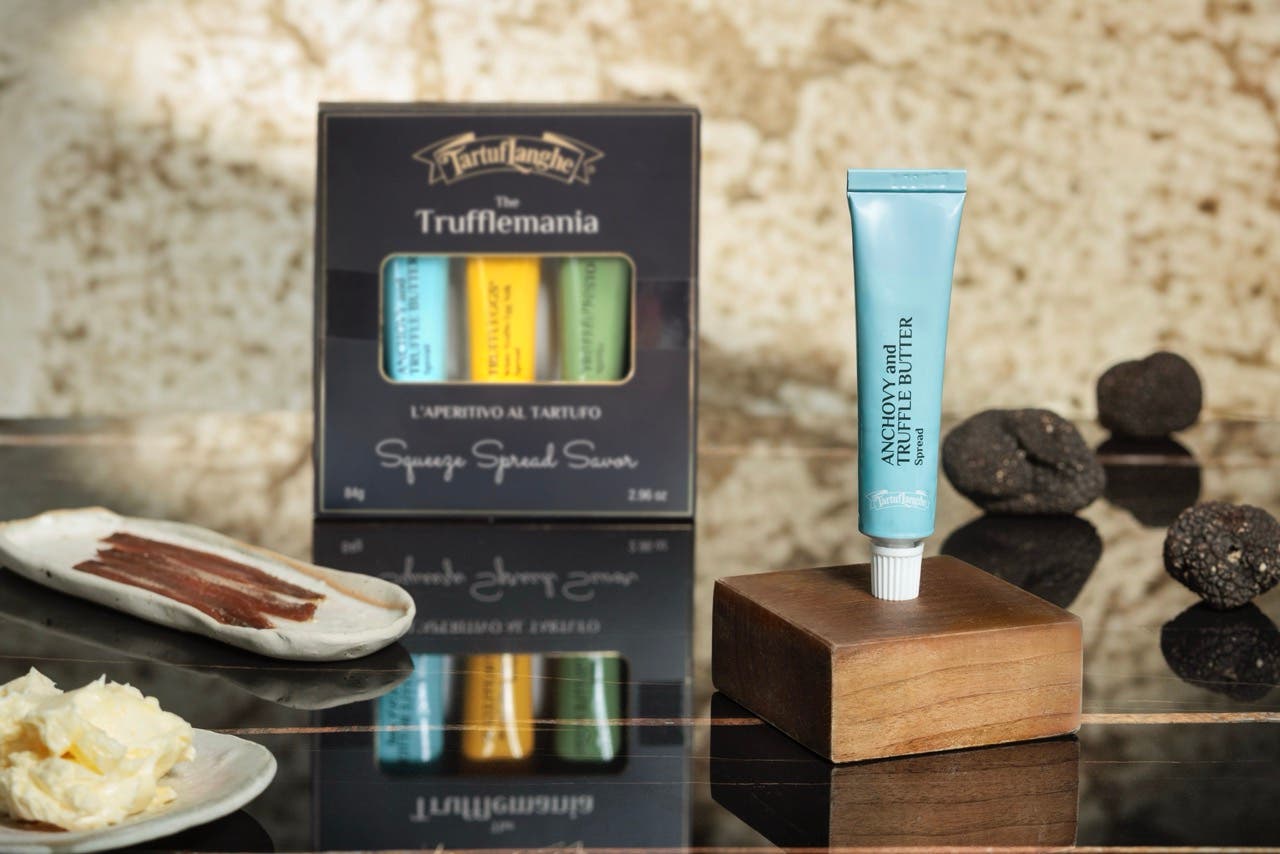
As truffles become more mainstream, Tartuflanghe has expanded into new product categories. They launched their first truffle breadsticks in 2005, and a decade later, their truffle chips became one of the best-selling gourmet snack items in international retailers. From stylish truffle spreads in portable tubes to creative pairings for aperitivo hour, the brand is inviting everyone to experiment with this once-exclusive ingredient.
At the Summer Fancy Food Show 2025, Tartuflanghe introduced me to a series of products. From a shelf-stable Truffle Carbonara Sauce to a Truffle Crumble designed to sprinkle on everything from pasta to fries, the company is finding fresh formats for an age-old ingredient.
According to Montanaro, the real challenge, however, lies in striking the right production balance: on one hand, snacks are part of the mass consumer market; on the other, truffles remain a rare ingredient, limited in availability and dependent on the unpredictable variables of the harvest season. And it is precisely this rarity that makes truffles so unique and precious.