Community Corner
With Lack Of NYC Restaurants, Rats Seek Other Dining Options
While rodents typically find food between 300-500 feet from their nests, the expanded search is proving to be a source of stress for vermin.


NEW YORK CITY – Given the nature of his work that involves saying good riddance to rodents, Gene Miller is well aware of where New York’s Rat Row is located.
While rats are certainly no stranger to city streets and alleyways, the vermin have typically congregated most along 105th Street between Broadway and Amsterdam, said Miller, the CEO of Broadway Pest Services in Brooklyn. But after the coronavirus pandemic forced New York City restaurants to close and - in turn - drastically diminished the amount of food and trash that is placed in nearby trash bins and dumpsters outside of eateries, rats have branched out in ways never seen before.
While rats — and specifically, the brown rat that are typically between 16-20 inches long — are far from an uncommon sight to New Yorkers, they are being seen in places and at times when they usually are not. Because food is not as readily available in normal locations, the rodent population has seemingly grown since the start of the pandemic, especially in areas that are mixed residential and commercial zones.
Find out what's happening in New York Cityfor free with the latest updates from Patch.
Now, in addition to the traditional Rat Row population, the rats' radar now expands that zone an additional three blocks in either direction, Miller said. But in other parts of the city rats are making their presence known as they search for nourishment.
“When there’s no food, (rats), like people, have to venture out into new markets and new cities,” Miller told Patch in a telephone interview on Wednesday. “But for them, the (new) city is one block away.”
Find out what's happening in New York Cityfor free with the latest updates from Patch.
Bill Swan, who is a specialist and part owner at NYC Pest Control in Brooklyn, said while it appears the rat population has exploded, it likely is instead - in all reality - shrinking. The lack of food in ordinary locations is source of severe stress for rats, which could kill off up to 20 percent of the city's vermin population.

New York City Health Department officials told Patch that in March, the city saw a 33 percent decline in 311 calls reporting rat sightings and an even bigger drop (43 percent) in April. However, as more people ventured out in May, the number of reports of rat sightings steadily began to climb, according to Caroline Bragdon, the director of neighborhood interventions for pest control for the New York Department of Health and Mental Hygiene.
Traditionally, most of the rat activity can be found around high-rises where high amounts of food scraps and other trash are deposited, the city's rat indexing data program shows. But over the past few months, not only are rats venturing farther away than normal to find food, the rodents have expanded their search to the daytime hours.
In addition, Swan said, because garbage is not being disposed of in New York’s subways, the rats are also having to look elsewhere to be fed. Rats typically find food in a 300-foot to 500-food radius of their nests. Because of their current conditions, Swan believes that radius is being doubled, which puts the vermin under even more stress.
“They’re becoming bolder,” Swan said. “They’re just being pushed further and further.”
He added: “A rat’s got to go search.”
On Thursday, Mayor Bill de Blasio announced that the city is on pace to enter Phase 2 of its reopening plan starting Monday, which will allow restaurants to offer outdoor dining. Bragdon said that she expects to see a shift in where rats get their food after months of having to rely on other sources. She anticipates rat sightings increasing the more people are out and about and as more take their dining habits outside their homes.
Miller said his company has been called to more apartment buildings where rats are showing up inside residential units than before. While the typical New Yorker may typically dine out several times a week, residents are eating more at home while restaurants are closed, which means there is much more food being thrown away that attracts more rodents. Because people are also working from home, they tend to notice more of a rat problem inside of their apartments.
To combat the problem, pest services like Broadway are using a lot more ContraPest, a known form of rodent birth control, which keeps rat populations from growing once “the pill” is ingested, Miller said. But Bragdon said that local residents and business owners alike can help limit the rat population by better disposing of food that is thrown out.
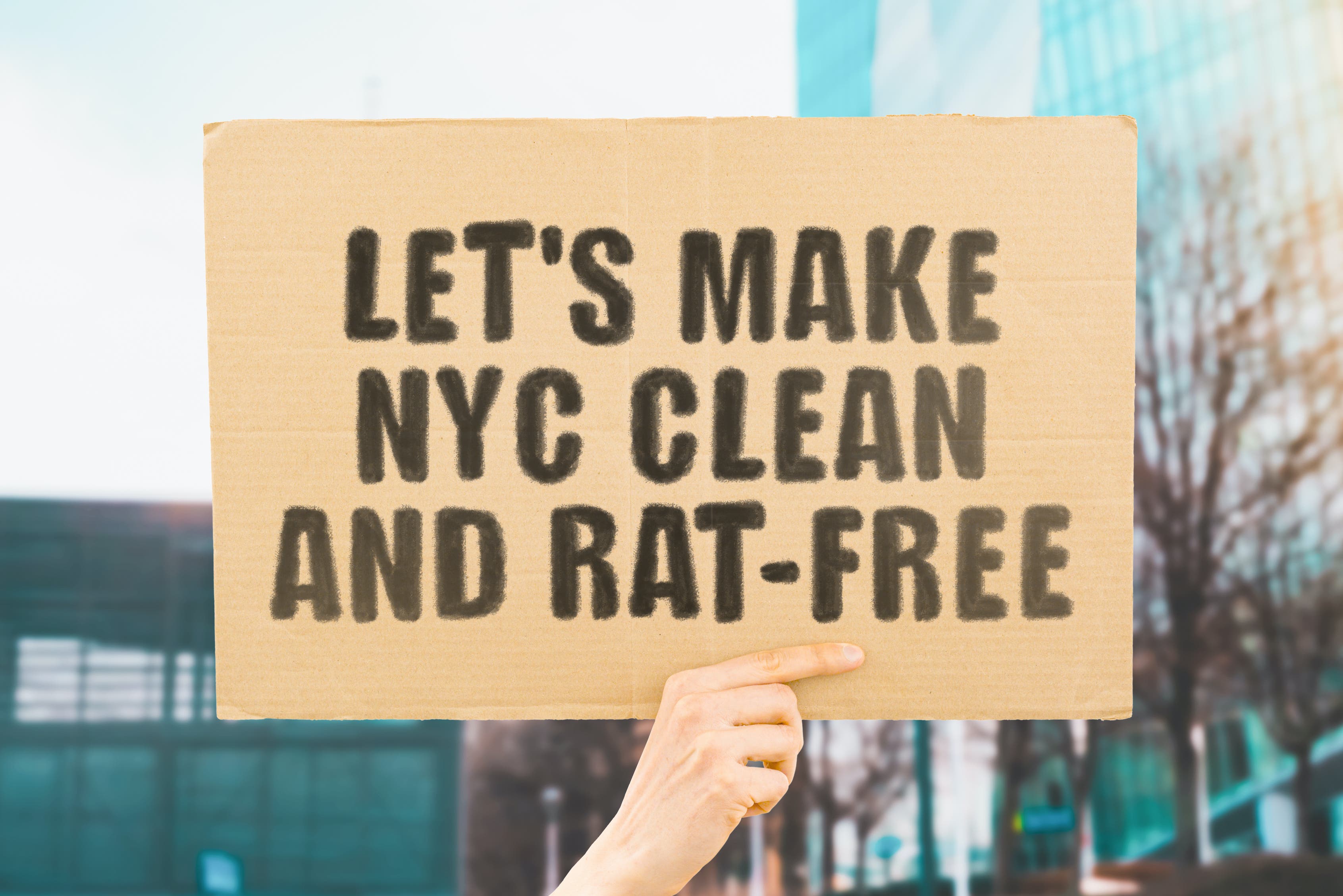
Food waste should be stored in trash receptacles with tight lids and that have no holes or cracks that would prevent rats from getting inside. Officials also advise people to use a 10 percent bleach solution to clean trash bins or trash bags and other areas to limit the attraction of rats.
"Rats are very good at accessing food and are very successful mammals in the city because it's so easy to find food," Bragdon said in a telephone interview. "Denying them food is one of the most important steps anyone can take in preventing rats in your neighborhood or around your building."
Mayor de Blasio in 2017 announced a $32 million multi-agency program to cut down on rat population in three areas (Grand Concourse, Chinatown/East and Lower East Village and the Bushwick/Bedford Stuyvesant neighborhoods in Brooklyn) most heavily infested by the rodents.
Last year, rat sightings reported to the city’s 311 hotline has grown 38 percent since 2014. In 2018, the hotline received 17,353 calls, the newspaper reported as opposed to 12,617 in 2014. But as rat sightings have expanded to the daytime hours since the pandemic began, city officials have become even more vigilant in their fight to limit the rodent population.
“As New Yorkers, unfortunately, we know way too much about rats, and we are certainly not ever going to let it ever be a worse situation,” de Blasio said at a recent news conference. “We’re going to fight it back.”
But as most restaurants remained closed for dine-in service closed across New York, rats taking over new areas continues to be a problem for pest control companies attempting to deal with the growing number of the rodents. But according to Swan, the only solution is not finding ways to kill off rats through traps or other means, but instead, for humans to clean up their act.
If local residents and restaurant owners were more careful with how they disposed of their trash and food that is thrown out, rats would not find food sources and eventually die. But if the rodents are able to continue to find food through normal means, the problem will continue. Now, as the city begins to move closer to a full reopening, both Bragdon and other pest control specialists say cutting down on rats is dependent on the actions of New Yorkers.
“No matter where we are, we’re slobs,” Swan said. “And (the rats) are going to come find us.”
Get more local news delivered straight to your inbox. Sign up for free Patch newsletters and alerts.