Politics & Government
Sewage Tests Could Flush Out Where Coronavirus Hides In NYC
City Council members hope a wastewater testing program will be an early warning system for future outbreaks of COVID-19 and other diseases.


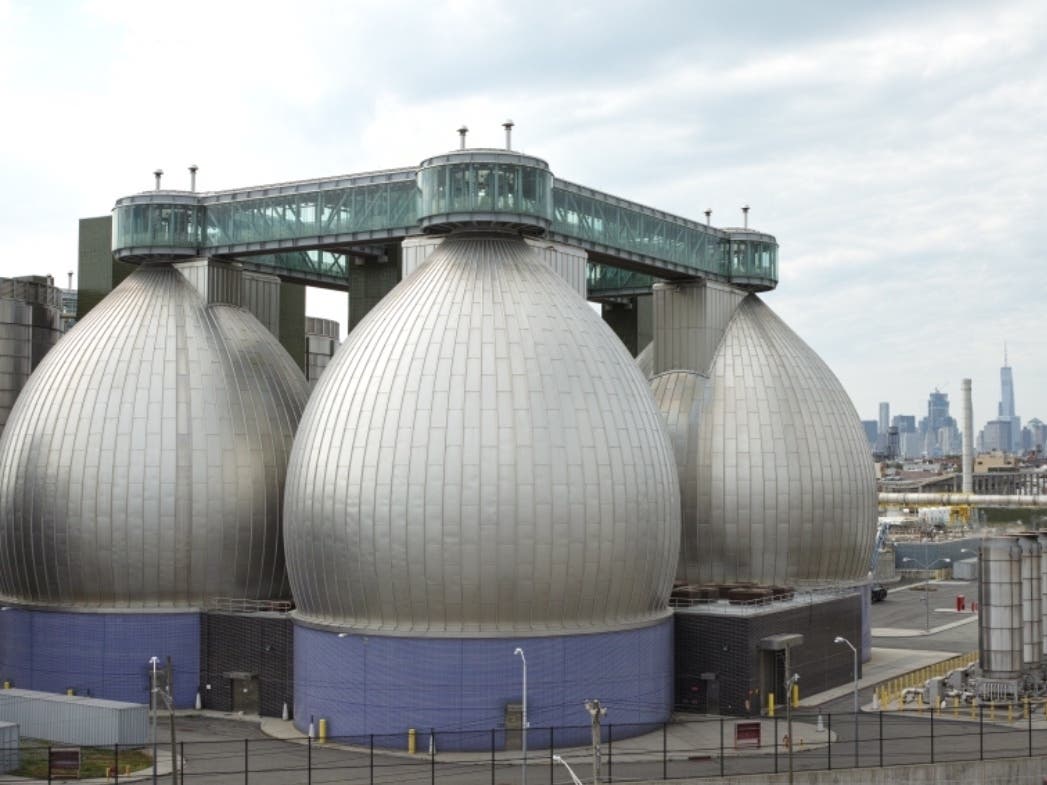
NEW YORK CITY — Alligators aren’t the only dangers that could be lurking in New York City’s sewers.
Unlike the reptilians of urban legend, the coronavirus is real and riding waves of sewage flushed down the city’s pipes. An upcoming City Council bill proposes expanded tests on the sludge that could yield valuable insights about the pandemic.
Council Member Costa Constantinides, who sponsored the bill up for a vote Thursday, said wastewater tests have proved a good indicator of COVID-19 outbreaks. Boston, for example, saw a its sewage’s coronavirus levels surge before conventional voluntary COVID tests measured the same spike, he said.
Find out what's happening in New York Cityfor free with the latest updates from Patch.
“It was a canary in the coal mine for the Boston area,” he said.
“This type of testing is something that would be hugely helpful to tell how prevalent this virus is in our community,” he said.
Find out what's happening in New York Cityfor free with the latest updates from Patch.
The city’s Department of Environmental Protection, with help from the health department, already tests sewage for coronavirus levels.
But Constantinides said the tests have two problems.
Number one, the data from them isn’t made public, limiting what can be learned about the pandemic’s spread in the city, he said. And the number two problem “stinks,” he said — the current tests aren’t a formal program under a law.
“Anytime there’s not something in the law you can stop it,” he said. “If it’s not in ink it stinks.”
The bill sponsored by Constantinides and his colleagues Keith Powers, Ben Kallos, Kalyan Yeger, Darma V. Diaz and Diana Ayala aims to take that legal stink away.
It requires the city’s environmental protection and health commissioners to create a pilot program to test for the virus strain that causes COVID-19.
The commissioners will have to complete a report making the program’s findings public. It also calls to expand testing to manhole covers and pumping stations if levels at the city’s 14 wastewater treatment sites show potential for clustered local coronavirus cases.
COVID-19 isn’t just a respiratory disease, Constantinides said. Many experience gastric symptoms that show up in excretions, and thus sewage, he said.
Constantinides himself is a “COVID long hauler” who still sometimes battles symptoms long after he first fell ill in April. He hopes the program will not only track the coronavirus’s course through New York City, but could be used to detect other devastating diseases.
“This will be a system we can rely on in the future to combat future pandemics,” he said.
City Council members are expected to pass the bill on Thursday.
Get more local news delivered straight to your inbox. Sign up for free Patch newsletters and alerts.