Politics & Government
Sweeping NYPD Reforms Pass City Council To Mixed Reviews
The bills make it easier for New Yorkers to sue officers over excessive force, hand crash investigations to DOT and more.


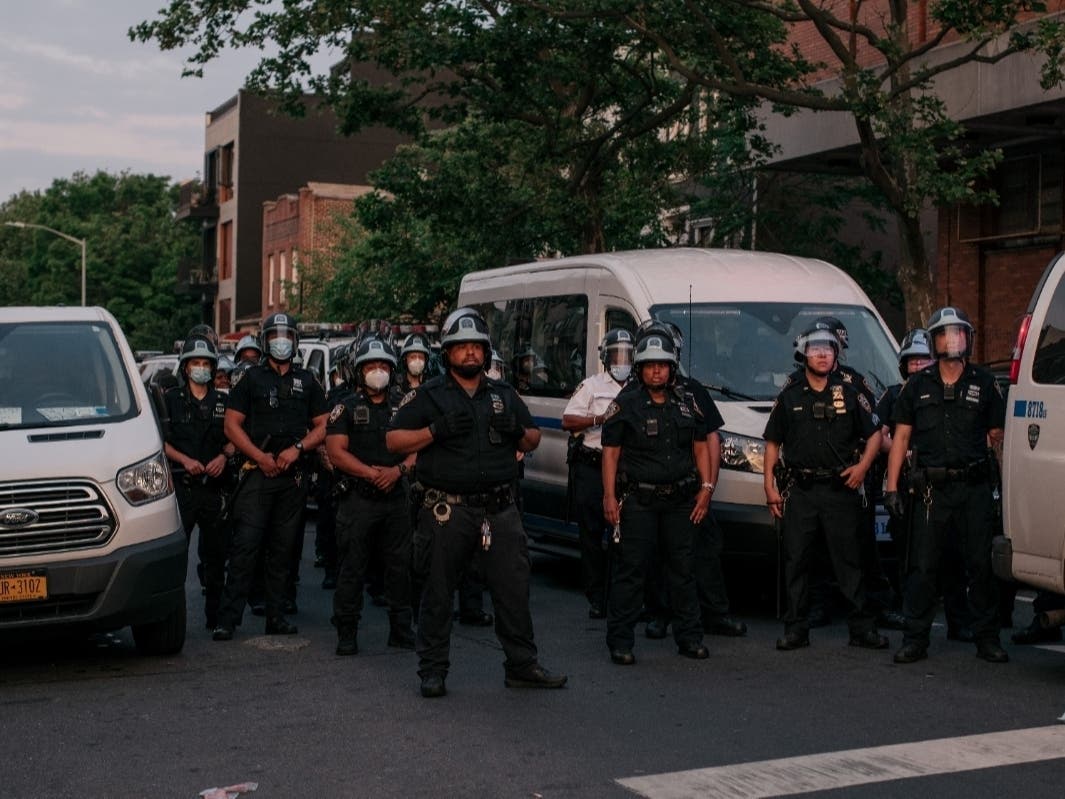
NEW YORK CITY — A spate of bills aimed at reforming the NYPD passed the City Council to a decidedly-mixed response.
Some criminal justice reform activists decried the measures as too little, police unions lambasted them as too much. And Mayor Bill de Blasio — who had his own reform priorities approved — played Goldilocks, declaring them just right.
“These reforms will confront centuries of overpolicing in communities of color and strengthen the bonds between police and community,” de Blasio said in a statement.
Find out what's happening in New York Cityfor free with the latest updates from Patch.
The measures follow widespread protests last year over police brutality and the killing of George Floyd. They were passed within days of an April 1 deadline to enact reforms imposed by Gov. Andrew Cuomo, who spent months needling de Blasio for lack of action.
The City Council eventually stepped up with an 11-bill package, which formed the backbone of the arguably most substantive reforms that passed.
Find out what's happening in New York Cityfor free with the latest updates from Patch.
Foremost among them was a bill to end police officers' qualified immunity — a provision that protected cops from being sued. The bill effectively gives New Yorkers a chance to sue cops over excessive force and illegal search and seizure.
"Rooted in our nation's history of systemic racism, qualified immunity denied Freedom Riders justice and has been used to deny justice to victims of police abuse for decades," Council Speaker Corey Johnson tweeted. "It should never have been allowed, but I'm proud that we took action today to end it here in NYC."
The @NYCCouncil just voted to end qualified immunity for police officers, making NYC the first city in the country to do so.
Qualified immunity was established in 1967 in Mississippi to prevent Freedom Riders from holding public officials liable even when they broke the law. 1/
— NYC Council Speaker Corey Johnson (@NYCSpeakerCoJo) March 25, 2021
But some reform advocates felt the qualified immunity measure fell short, in part because it took away individual financial liabilities for cops. The Legal Aid Society, in a statement, called it a "solid first step" but pushed for statewide legislation to provide relief to victims of police misconduct.
Joo-Hyun Kang, director of Communities United for Police Reform, was far less supportive.
"It does NOT end qualified immunity for cops," she tweeted. "This is not sweeping change. Don't get got."
Just to be clear - the bill that @NYCCouncil calls their "qualified immunity" bill (Int 2220/@StephenLevin33) does NOT do what they're claiming. It does NOT end qualified immunity for cops. This is not sweeping change. Don't get got.
— Joo-Hyun Kang 강주현 (@JooHyun_Kang) March 25, 2021
Kang's group was among 54 organizations that sent a letter to the Council opposing de Blasio's police reforms. The measures likely wouldn't directly result in a decrease in police violence and actually increase the NYPD's budget, the letter states.
"This resolution and the package of bills that are expected to be passed today do not begin to approach the kind of sweeping changes we need in New York City to reduce police violence, increase police accountability, or decrease the outsized power, budget, scope and size of the NYPD and the five police unions in NYC," the letter states.
Advocates did praise some measures, including a bill by Council Member Ydanis Rodriguez that moves crash investigations from the NYPD to the Department of Transportation.
Marco Conner DiAquoi, deputy director of Transportation Alternatives, quickly issued a statement accusing NYPD of long failing to sufficiently investigate crashes and blaming victims of crashes.
“This bill is a watershed moment, not just in New York, but in cities across the country looking to reimagine how police are involved in traffic enforcement," DiAquoi's statement reads.
The package also included a controversial resolution that urged state lawmakers to strip the NYPD police commissioner of final decision-making power in disciplinary cases.
Get more local news delivered straight to your inbox. Sign up for free Patch newsletters and alerts.