Politics & Government
Rockland Lawmaker Wants Local Governments to Report Suspicious Financial Activities
Falciglia: Feds should extend reporting requirements to local governments for example in property tax collection.


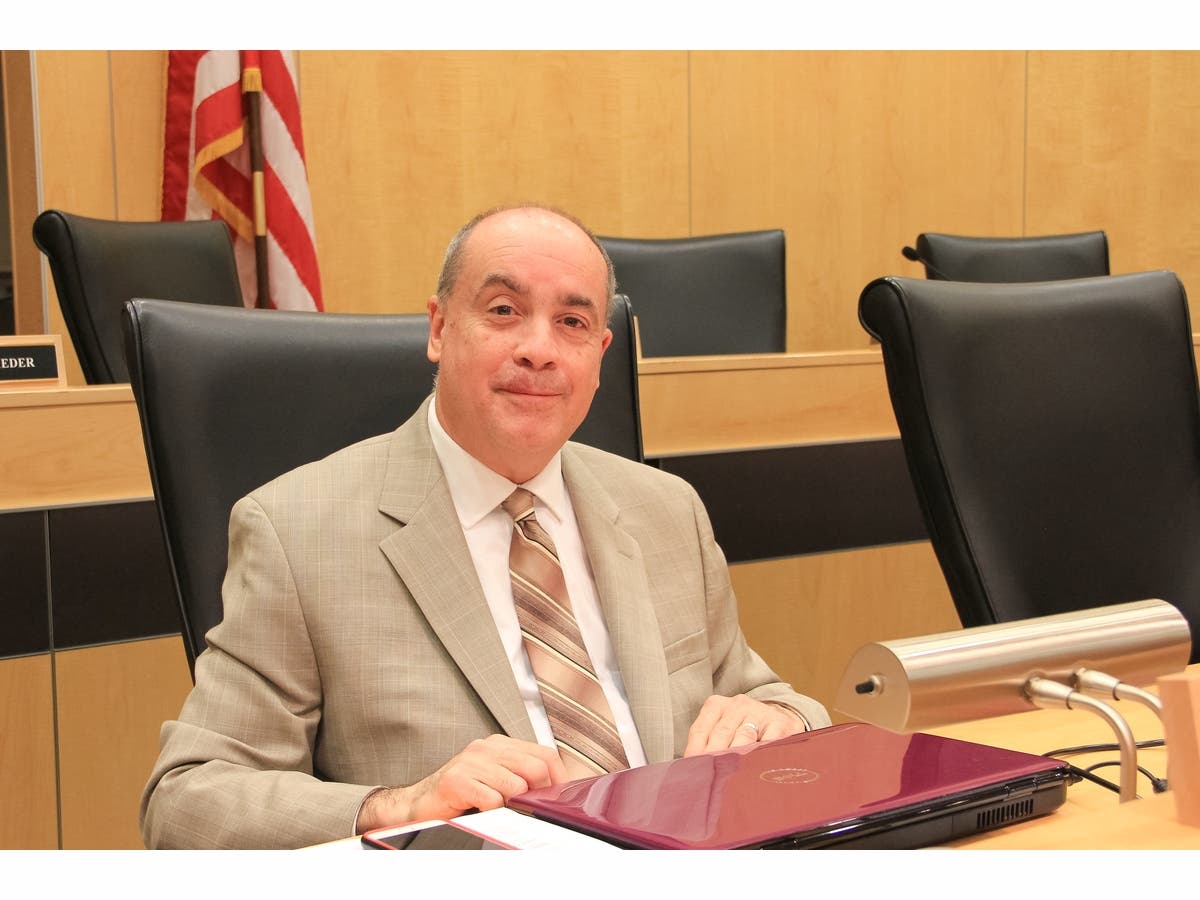
Rockland Legislator Charles Falciglia is calling on the federal government to force local governments to report questionable financial activities — something he says local officials are often unwilling to do. Many think it's not their job, many are afraid of political retaliation, others succumb to the "re-election factor," he said.
He said monitoring property tax collection, for example, could be useful for fighting money laundering.
Falciglia knows about money laundering.
Find out what's happening in New Cityfor free with the latest updates from Patch.
He is a certified Anti‐Money Laundering Specialist who has enjoyed a 37‐year career as a banking professional, currently holding the position of Bank Secrecy Act Officer for the United States branches of an international bank. He is also an award‐winning economic crime writer for ACAMS Today, a magazine for professionals in the anti‐money laundering field. It is a publication of the Association of Certified Anti‐Money Laundering Specialists, the largest organization of its kind in the world. He served as chairman of the ACAMS Today Editorial Task Force from 2009 to 2011.
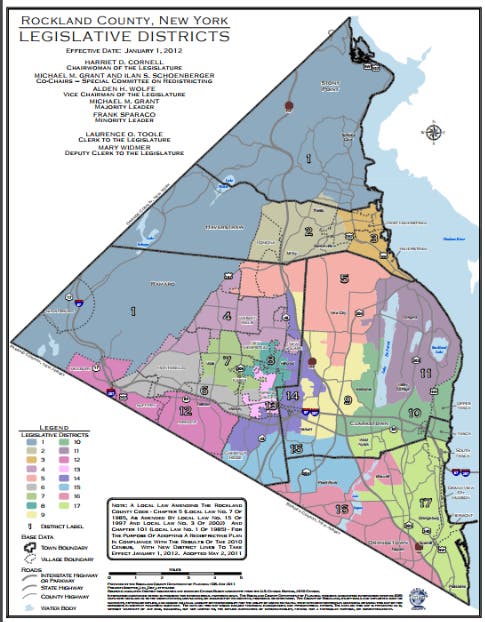
A resident of Suffern, Falciglia represents District 12, along the southern border of the town of Ramapo.
Find out what's happening in New Cityfor free with the latest updates from Patch.
Falciglia is calling on the federal government to extend money-laundering rules to include local governments.
"Corruption by public officials is as old as society itself and shows no signs of subsiding," he wrote in a letter to the Acting Director of the Financial Crimes Enforcement Network at Treasury. "In the lower Hudson Valley and Tri-State New York we have certainly seen our fair share..."
Particularly in the Hudson Valley, where property taxes are high, he suggested suspicious activity could be monitored by looking at incidents where payments are made in cash, particularly by third-party payments such as LLCs.
Limited liability companies are a particular focus for the Treasury, which has moved to stop money laundering through all-cash real estate deals involving LLCs to mask the purchasers. In NYC, where the feds say this is common, title companies have been required since last year to disclose the actual purchasers by name for property transactions over $3 million.
Falciglia said local governments reporting suspicious property tax payments could provide a roadmap for the feds to crimes including tax evasion, mortgage fraud and tax exemption fraud as well as money laundering.
He also issued a statement:
“I have requested that the United States Department of the Treasury conduct a study to extend suspicious activity reporting requirements to include local governments. Over the last decade Anti-Money Laundering Programs have been expanded from Banks to include the Gaming Industry (Casinos), Insurance Industry, Precious Metals and Jewelry Dealers, Mortgage Companies/Brokers, the Securities and Futures Industry and Money Service Businesses.
I have outlined in my letter why I believe this can be another avenue in the pursuit of corruption and white-collar crime, simultaneously forcing elected officials to be penalized for looking the other way. It would provide an independent conduit, such as an Inspector General, to report possible criminal behavior and act as a check and balance on other government agencies.
The most important aspect of this position would be independence, protected to a great extent by federal oversight. By making this a federal regulation, local governments would be required to make reports with civil and criminal penalties attached for being non-compliant or willfully blind. It would also allow the general public a secure source to have any suspicions they wish to report forwarded directly to a non-local agency for review.
Suspicious activity reporting can result in reviews by the IRS Civil and Criminal Investigation Divisions, the FBI, Homeland Security, Immigration and Customs, the ATF, the United States Postal Service and any other agency deemed appropriate.
While unmasking LLC’s is a step in the right direction, the source of funds is always the main concern; and not just the initial source, but the secondary source and beyond, the true beneficial owners. This area is fast becoming a concern of our Federal Government.”
Get more local news delivered straight to your inbox. Sign up for free Patch newsletters and alerts.