Health & Fitness
How to prepare for the worst tick season in a decade
If emergency room visits are a bellwether, this summer's tick season could be the worst in a while.

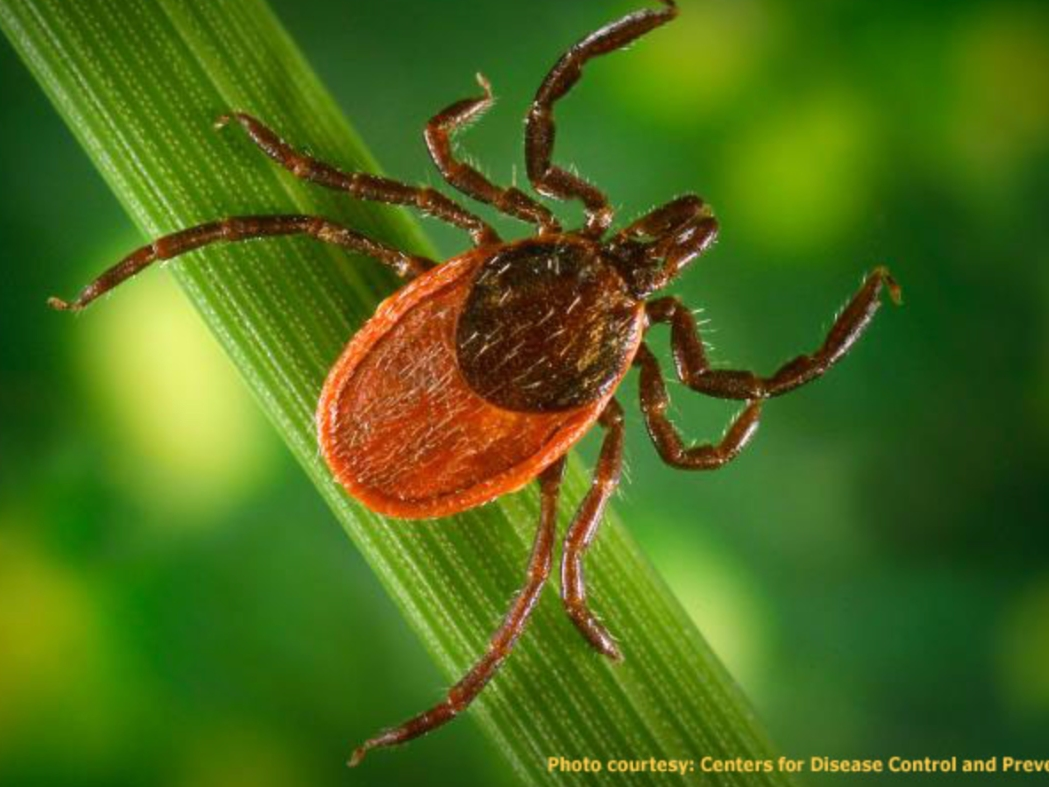
by Sunil Sood, MD
If emergency room visits are a bellwether, this summer’s tick season could be the worst in a decade. Weekly tick-bite ER visits are higher than historic averages in every U.S. region except the South Central states, with the Northeast recording the highest levels so far in 2026, according to the CDC’s Tick Bite Data Tracker.
Those statistics go beyond Lyme Disease. Lyme disease receives the most attention, but numerous tick-borne illnesses pose significant health risks. The United States is home to approximately 20, some of which can be fatal. Even if vaccines for these conditions were to become available, they wouldn't offer complete protection. The responsibility rests on knowing how to manage tick bites quickly and carefully, what signs of infection to look for, and how to minimize and prevent exposure before spending time outdoors.
Find out what's happening in New Hyde Parkfor free with the latest updates from Patch.
Remove ticks quickly. Removing a tick quickly and correctly is crucial. Using clean, fine-tipped tweezers, grasp the tick as close to the skin as possible and pull it straight up with steady pressure. For Lyme disease, the tick needs to be attached to a host for 36 hours or longer, but other infections, such as the brain-infecting Powassan virus--also carried by the Blacklegged or deer tick that transmits the Lyme disease bacteria--can be transmitted in as little as 15 minutes.
Don’t throw away ticks. Instead of flushing or discarding a tick, place it in a resealable bag and bring it to the doctor for identification. When doctors identify the tick species and its engorgement status, it can help detect early disease, and even prevent unnecessary treatment if the tick is low risk.
Find out what's happening in New Hyde Parkfor free with the latest updates from Patch.
Know the warning signs. Different tick-borne illnesses can cause a range of symptoms. In the United States, some of the more prevalent conditions are:
Anaplasmosis and ehrlichiosis manifest with fever, headache, muscle pain, rash and can lead to serious complications if untreated.
Babesiosis is often associated with flu-like symptoms, including chills, sweating, and fatigue. It can be severe in individuals with compromised immune systems.
Lyme disease symptoms include round rashes, fever, headache, facial weakness, neck stiffness, fainting, and joint swelling.
Tick-borne relapsing fever can cause recurring episodes of fever, muscle and joint pain, headache, and nausea.
Rocky Mountain spotted fever presents with fever, headache, a spotted rash, and abdominal pain. It can be fatal without early detection.
Powassan encephalitis can lead to swelling of the brain and its surrounding membranes.
Alpha-gal syndrome is not an infection but is a potentially life-threatening allergy to a molecule found in the saliva of some ticks.
The tick-related risks that come with spending time outdoors can be mitigated with practical preventive measures.
Spray, cover, and check. It’s important to wear protective clothing like light-colored, long-sleeved shirts, and to tuck pants into socks to minimize tick access to skin. Apply EPA-registered insect repellents, like DEET with higher percentage formulations, to exposed skin, and permethrin (keep this away from cats) to clothing and gear. Avoid venturing off paths and into tall grass and brush, and take care not to sit on tick habitats such as the ground or stone walls.
Both humans and pets benefit from careful and consistent tick-check routines after having been outdoors. Ticks commonly attach to the groin, underarms, and along the hairline. Remember that pets can carry ticks indoors, so regular checks around ears and paws are vital.
Understanding the variety and symptoms of tick-borne illnesses can help prevent and allow for an informed response to tick bites and exposure. We can safely enjoy outdoor activities when we are armed with information, take thoughtful precautions, and thoroughly conduct tick checks.
Sunil Sood, MD is the chief of infectious diseases at Northwell Health’s Cohen Children's Medical Center and professor at the Zucker School of Medicine-Hofstra University.