Health & Fitness
Exotic Tick Species Found In More States: CDC
The CDC has documented 53 reports in the U.S. including in the Hudson Valley, confirming the existence of a tick native to eastern Asia.


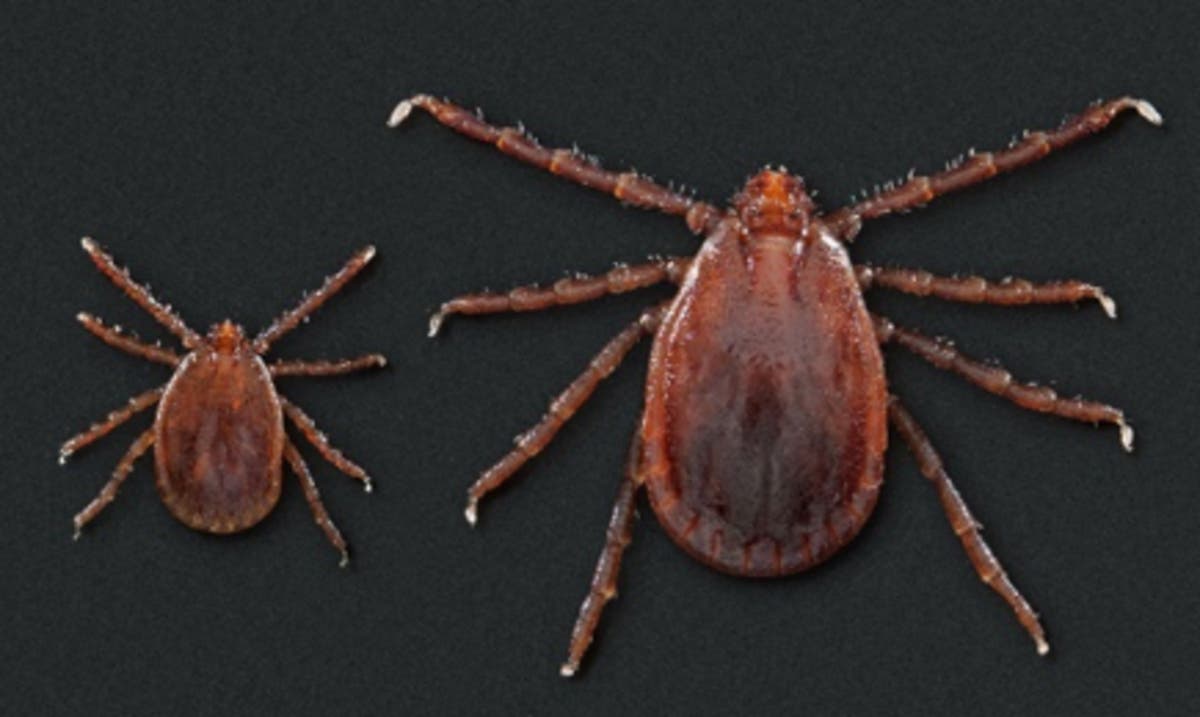
The Asian longhorned tick, as it is commonly known, was first discovered in the U.S. on a sheep in New Jersey in August 2017. Since then, the CDC says the tick has been identified in other locations in New Jersey and in eight other states. As of September 2018, the tick also has been found in Virginia, West Virginia, New York, North Carolina, Pennsylvania, Connecticut, Maryland and Arkansas. In total, there were 53 reports of the tick species being discovered.
In New York, the tick has been found in the Hudson Valley, specifically in Westchester County.
Find out what's happening in New Rochellefor free with the latest updates from Patch.
In July, New York state officials confirmed that the tick had been found in "multiple" locations in Westchester. While the longhorned tick has transmitted disease to humans in other parts of the world, more research is needed to determine whether this can happen in the United States. Health Commissioner Sherlita Amler, MD, once again advised Westchester residents to protect themselves, their farm animals and pets against ticks.
"It is always better to prevent tick bites whenever possible and to remove ticks as soon as possible, and the discovery of a new tick in our area gives us one more reason to be vigilant in performing tick checks on ourselves, our children and pets," Amler said at the time. "Farmers and livestock owners should consult with their veterinarians and continue to use the same preventive measures that work for other ticks."
Find out what's happening in New Rochellefor free with the latest updates from Patch.
Notably, the CDC says that the invasion of the tick species occurred years earlier.
“Most importantly, ticks collected from a deer in West Virginia in 2010 and a dog in New Jersey in 2013 were retrospectively identified as H. longicornis,” the agency said.
The tick is an important carrier of human and animal disease agents in areas where it exists, but the CDC said there is no evidence at the moment that it has transmitted pathogens to humans, domestic animals or wildlife in the United States. However, it is a potential carrier of a number of human and animal diseases in the country, the CDC warns.
“The presence of H. longicornis in the United States represents a new and emerging disease threat,” the CDC writes. “Characterization of the tick’s biology and ecology are needed, and surveillance efforts should include testing for potential indigenous and exotic pathogens.”
The surveillance effort did not include testing the ticks or hosts for pathogens, and no cases of illness in humans or other species have been reported. The agricultural effects of the species’ infestation is also not yet known.
But public health officials are keeping an eye on the spread of the longhorned tick, which is also known as the bush or cattle tick. Female ticks from this species are also able to produce offspring without mating, resulting in massive host infestations.
Photo via CDC
SEE: New Type Of Tick Found In Westchester
Get more local news delivered straight to your inbox. Sign up for free Patch newsletters and alerts.