Health & Fitness
New Study Finds Lack Of Transportation Options Can Make You Sick
A new report by Montefiore finds those with trouble getting transportation to the doctor are more likely to have chronic health issues.


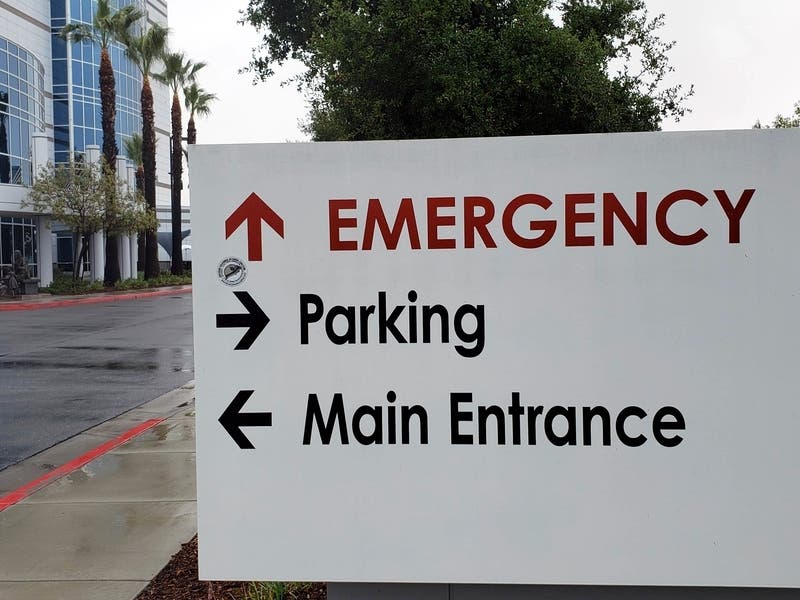
HUDSON VALLEY, NY — A new study by researchers at Montefiore Health System published in the journal Preventive Medicine finds that being able to get to the doctor might be more than half the battle when it comes to staying healthy.
The survey found that healthcare transportation challenges are strongly associated with chronic health conditions like depression, asthma and diabetes. The report is part of an ongoing examination of the relationship between unmet social needs and chronic health conditions by the health care provider.
Among the Hudson Valley patients who answered questionnaires, those who reported healthcare transportation as a need were 84 percent more likely to have an alcohol/drug abuse diagnosis and 41 percent more likely to smoke, than people without healthcare transportation needs. Patients reporting transportation challenges were also associated with a higher prevalence of diabetes.
Find out what's happening in New Rochellefor free with the latest updates from Patch.
According to the report's authors, illnesses like depression, asthma, and diabetes associated with health care transportation challenges are among the leading causes of death and disability in the U.S. The diseases are also the leading contributors of healthcare costs.
“Inadequate healthcare transportation impacts nearly all chronic conditions, however more work needs to be done to understand why we saw more of an association among people with depression and diabetes,” the study's senior author Dr. Kevin Fiori said.
Find out what's happening in New Rochellefor free with the latest updates from Patch.
As a result of the research, Montefiore is developing new transportation programs for patients who live within 25 miles of its facilities in the Hudson Valley and the Bronx.
Social determinants of health (SDOH) are the conditions that people are born into, work and live in like housing, transportation and education, which impact health. For example, researchers have found that children who live near highways have a higher risk for asthma than those who do not. Those with asthma in the study were 37 percent more likely to report poor housing quality issues like having mold and pests.
“These findings allow us to better understand the challenges our patients face, both at the individual and population level,” Dr. Fiori explained. “Our hope is that by demonstrating how our clinical teams use screening tools and clinical data to identify the issues our patients are struggling with, and help them resolve these problems, that more healthcare systems will invest in integrating social care interventions and tracking of these efforts.”
While research in the area continues to expand, the relationship between specific social needs and chronic conditions is not well understood, according to Montefiore researchers.
From April 2018 to December 2019, 33,550 adult patients at Montefiore Health System completed a 10-item social needs screening survey during primary care visits in the Bronx and Westchester.
Questions addressed topics that ranged from housing quality, healthcare transportation, food insecurity, and the cost of utilities, to relationships with spouses and family members. Approximately half of the patients were Hispanic and more than one-third were non-Hispanic Black. The median age was 51.9 years old. Approximately half of the respondents were insured through Medicaid or Medicare, with one-third having commercial insurance.
This newest research builds on previous findings from the same team that found healthcare transportation is most strongly associated with no-show visits, and thus an important barrier to accessing healthcare.
Get more local news delivered straight to your inbox. Sign up for free Patch newsletters and alerts.