Community Corner
Southern Westchester 'Overrun' With Spotted Lanternflies
An expert says that the infestation going on now from Yonkers to Larchmont is a glimpse of the future for the rest of the Hudson Valley.


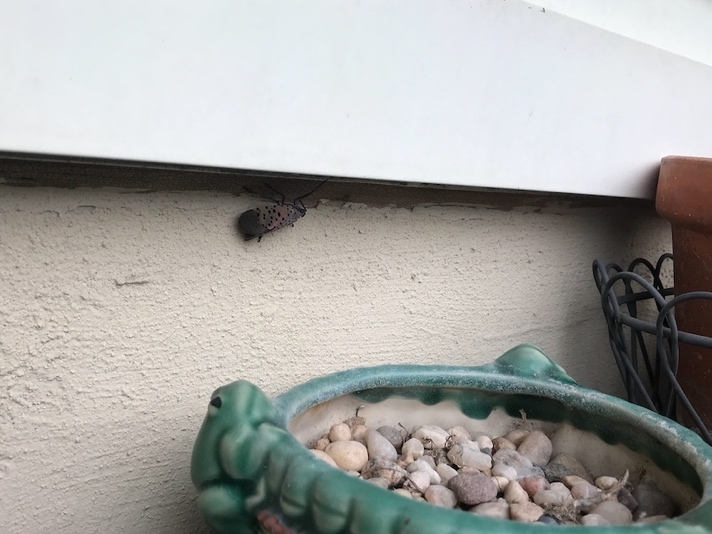
NEW ROCHELLE, NY — With the approach of fall, the dire warnings about the spotted lanternflies are playing out in real-time in parts of the Hudson Valley and experts say the infestations on display are a glimpse into the future for the areas in our region that aren't already overwhelmed — but there might be some good news as well.
"I can't walk down the sidewalk without stepping on one of the little buggers," Peter Williams, a homeowner living near Glen Island Park, told Patch on a recent sunny and hot weekday. "We are absolutely overun. I know we are supposed to be on the lookout for them [spotted lanternflies]. Well, here they are."
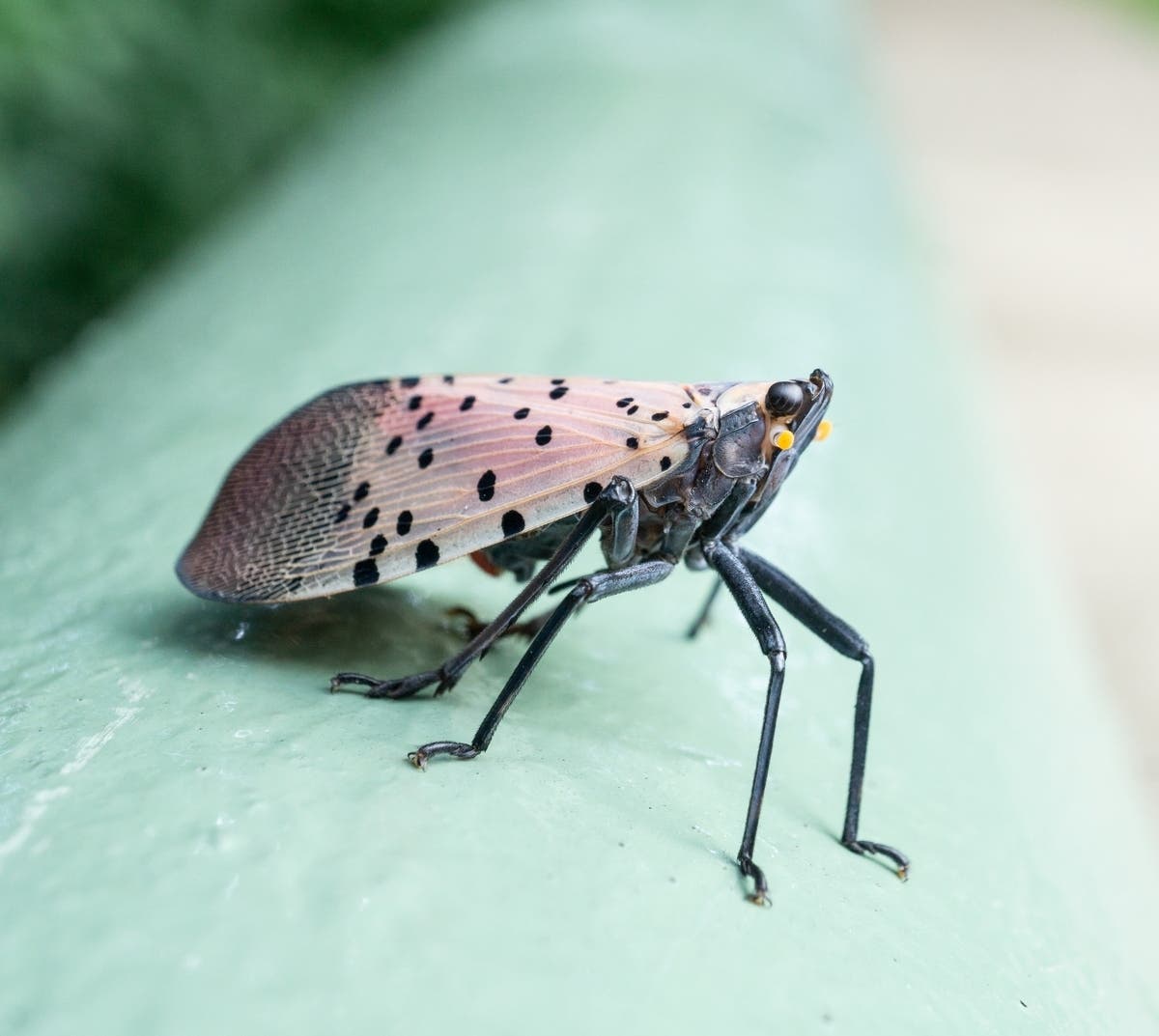
Here they are, indeed — the invasive insects can be seen clinging on brick walls, windows and tree leaves by the hundreds. Perched on car tops, lawn furniture and even on floating pool toys, the invaders, believed to have first arrived here from China on a shipment of stone, have certainly made themselves at home in southern Westchester.
Find out what's happening in New Rochellefor free with the latest updates from Patch.
Pest expert, entomologist and JP McHale Pest Management CEO Jim McHale told Patch that neighbors on the Sound Shore aren't alone in feeling overrun.
"Larchmont, New Rochelle, Yonkers and the surrounding areas are really seeing it right now," McHale said. "I'm getting calls from property managers who are asking 'what do we do?' I heard from a restaurant in Yonkers that said they are infested."
Find out what's happening in New Rochellefor free with the latest updates from Patch.
McHale said that while the invasion is especially notable in the southernmost parts of Westchester right now, it is a glimpse of the future for the northern areas of our region.
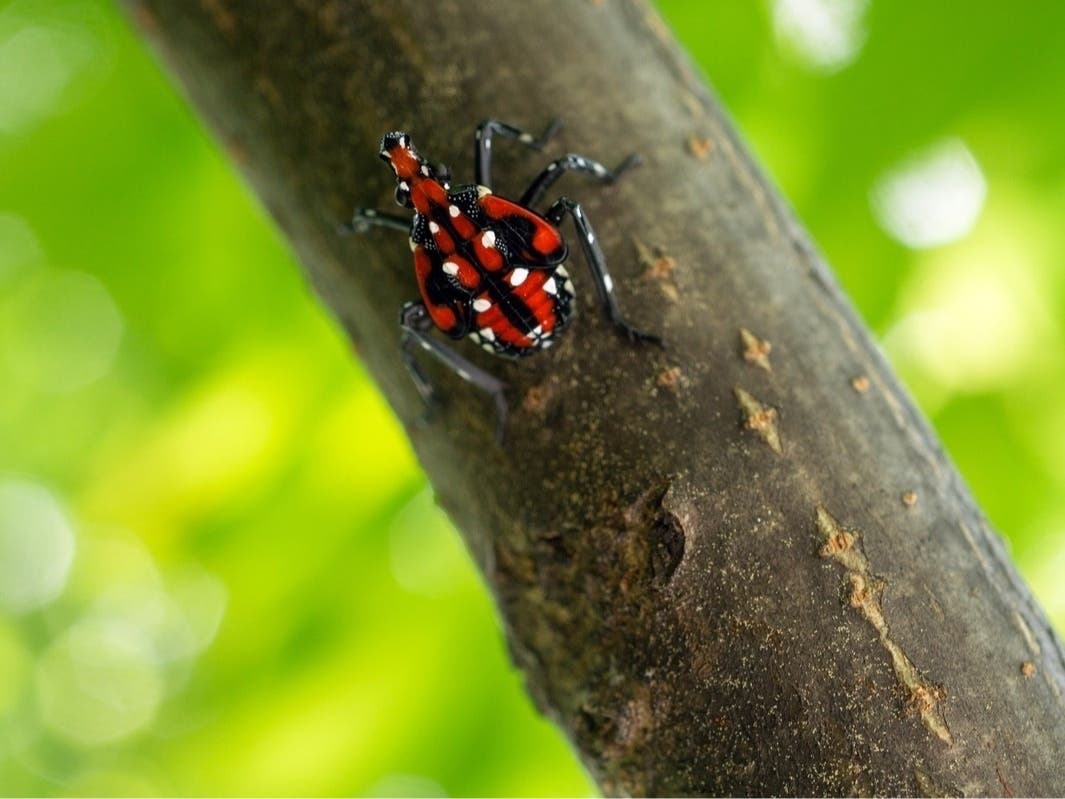
"It's coming," McHale said. "What they are seeing now, that's what they will be seeing a little farther north next fall."
For those of us in the midst of the invasion, it's easy to feel as though all hope is lost, but McHale said this is the time for special vigilance. Fall is when the adult spotted Lanternflies lay their eggs. While much of the early spring and summer was about eliminating the nymphs, attention is now turning to the egg masses.
McHale said he uses neem oil, an all-natural pesticide, to kill the insects themselves, but the egg masses prove a little more challenging to eradicate. He said most of the measures used to eradicate the eggs of other invasive species have, so far, proven mostly ineffective against the spotted lanternfly eggs.
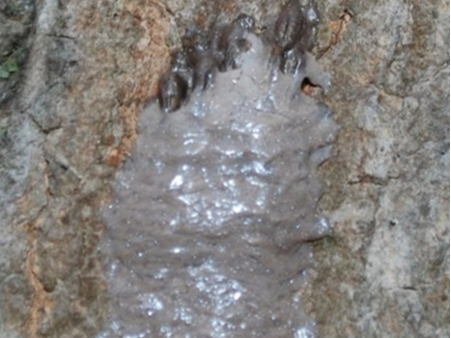
"The advice right now is to scrape the egg masses and seal them in a plastic bag," McHale said. "That will make the biggest difference, and now is the time to be looking."
He said that one of the biggest challenges in slowing the spread of spotted lanternflies is the misnomer associated with the insect. They aren't flies at all, he notes. They are actually Hemiptera, an order of insects commonly called true bugs.
"Spotted lanternflies aren't actually good at flying very far at all," McHale said. "That's why it's so important to look for the eggs. They love to hitch rides with us, laying eggs on our cars."
This is especially problematic along the I-95 corridor that covers most of southern Westchester. In addition to being hard to destroy, the egg masses aren't easy to spot and look like smears of mud.
SEE ALSO:
- Spotted Lanternfly: What To Do If You See One In New York
- So, Where Are All The Spotted Lanternflies?
- Westchester Parks Dealing With Spotted Lanternflies
- Hudson Valley, Long Island Brace For Spotted Lanternfly Season
Although it looks like the tide has turned in favor of the invasive true bugs, there is some good news to be found. Areas in Pennsylvania that have struggled with similar infestations are continuing to face issues, but there are some indications that Mother Nature is slowly balancing spotted lanternfly populations and the damage they cause.
Much of the destruction caused by the brightly colored bugs comes from the sappy "honeydew" left behind when the spotted lanternflies feed. The honeydew attracts ants and can cause mold that can be deadly to some trees, but there are apparently some benefits as well.
"They have found the honeydew in honey made by honey bees," McHale explained. "So, there might be a silver lining there for the bees."
Get more local news delivered straight to your inbox. Sign up for free Patch newsletters and alerts.