Community Corner
What Makes New Rochelle Special? Let's Start at the Beginning
One of the best things about New Rochelle's 300+ year history is that it is still very much a part of our everyday lives. This weekly column and slideshow will provide you with a unique look into New Rochelle's past through the snapshots of to


What makes New Rochelle so different? We know why we love to live here, but do we know what came before us? Before New Roc City and the bustling downtown? Before the Trump Plaza and the Avalon?
Let's start at the beginning.
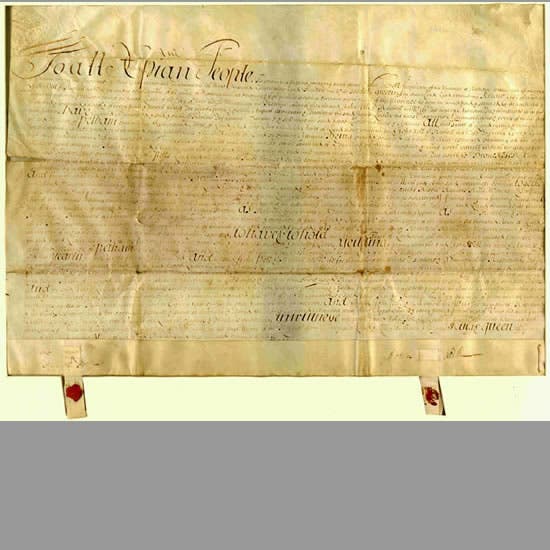
New Rochelle is one of the earliest communities in Westchester (and the New York area, for that matter). The official "established in" date is 1688, although there were a few earlier settlers and the deed for the original 6,000 acres of land was signed until 1689.
Find out what's happening in New Rochellefor free with the latest updates from Patch.
From the start this was an unusual place in that it was French. Française was the official language well into the 18th century. The first houses built were patterned after those in France. The farming methods of the first settlers were based on those in France. So were the dress and the cooking. In fact, the name of the community was inspired by the Port of La Rochelle, the last Huguenot stronghold in France.
Following centuries of persecution that commonly resulted in torture or death, these French Protestants referred to as "Huguenots" left their homeland to find a place in which they could worship freely. A few dozen families found that place not too far from the merchant capital of Manhattan, and on the banks of a sound that led into the Atlantic for shipping goods to far distant ports. The fact that the 6,000 acres of land they purchased from John Pell in 1689 was also a most fertile and largely farmable tract, made the "new" Rochelle a sure bet.
Find out what's happening in New Rochellefor free with the latest updates from Patch.
Click on the above photo to open the slideshow and begin your tour into the past!
This week's slideshow features the Huguenot Memorial at Hudson Park, New Rochelle Street Signs with Huguenot Names, a photo of the Deed for Land that Became New Rochelle and the Fatt Calfe on Post Office Mural.