Community Corner
Know Pool Safety Rules Before Diving Into Summer
The weather is warm and the kids are anxious to get in the pool. Make sure your family follows basic safety rules.

It’s that time of year when residential and commercial pools are busy helping children and adults beat the summer heat, but it’s also the time of year to remember basic pool safety rules.
Derek Edwards of Arthur Edwards Pool and Spa Centre in Jamesport said that using basic caution in the pool area — including never diving in the shallow end, not running around the pool, being careful on the pool steps, and on the diving board are essential to pool safety.
“Make sure the kids are being watched when they are in the pool and, for adults, always make sure someone knows you’re in the pool,” said Edwards.
Find out what's happening in North Forkfor free with the latest updates from Patch.
Edwards sells mainly salt-water pools, which have fewer chemicals in the water—another safety issue. He cautioned that people who open their eyes under water should be wearing goggles and anyone handling chlorine should be wearing gloves. New main drains with anit-vortex devices and safer pumps with variable speeds are also available.
Penny Benbenek, who spent more than 13 years working in the pool industry in East Hampton, believes pool safety means parents being vigilant and not leaving safety issues up to pool alarms and flotation devices. Supervision and knowing where your child is at all times around a pool is essential.
Find out what's happening in North Forkfor free with the latest updates from Patch.
“Knowledge is power and some people just take it for granted that nothing bad can happen,” said Benbenek.
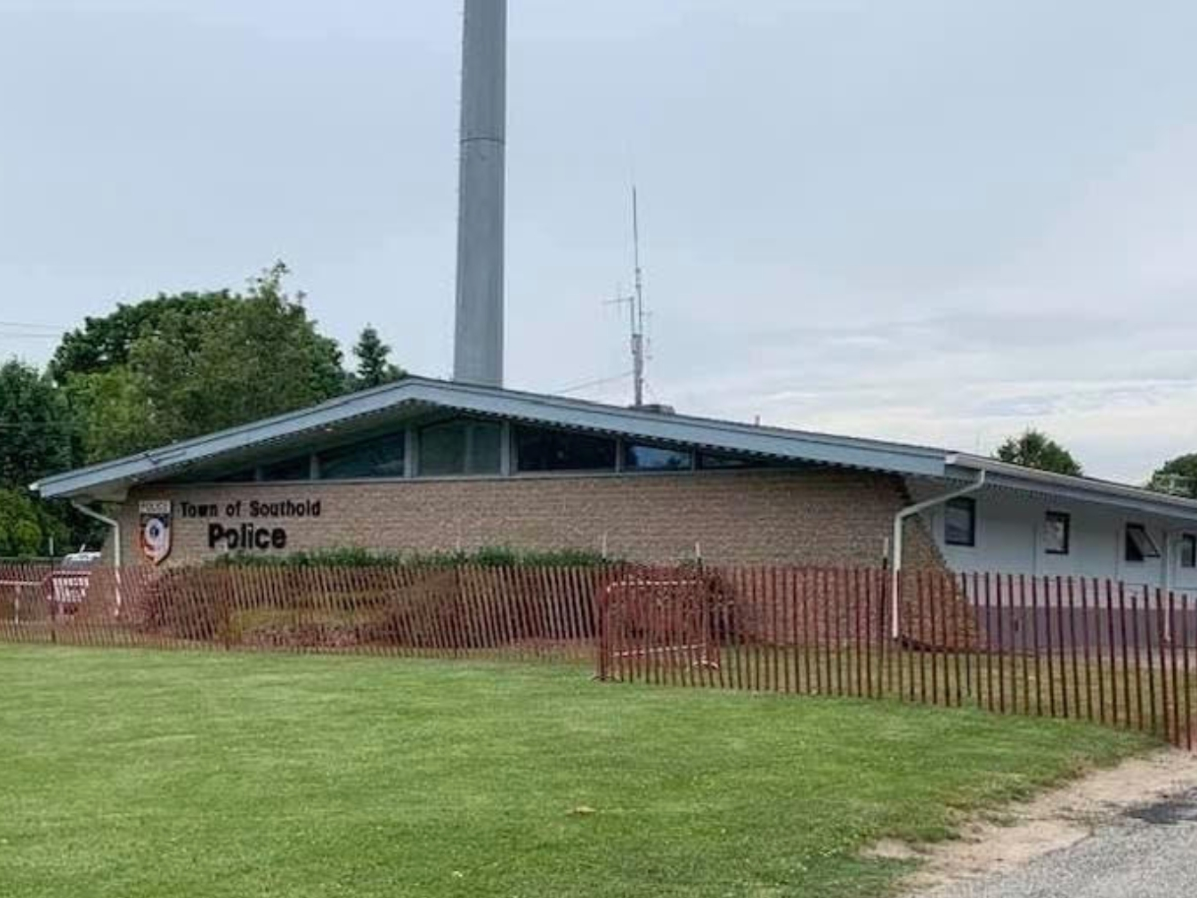
Southold Town is fortunate that very few drownings have occurred in recent years. Police Captain Martin Flatley recalls an incident in Greenport in 2007 where two young boys were at a friend’s house. A pool was under construction and had construction fencing surrounding the pool. Flatley recalls that even though the boys were warned not to go near the pool, they were easily able to get through the construction fencing. A 14-year-old boy, who was unable to swim, went down the pool slide and drowned. This tragic incident reminds homeowners not only to worry about their own children at the pool, but neighbors’ children as well, said Flatley.
“The only advice I would give to any homeowner who has a pool is to abide by the building department's codes for the construction of pools, including the height and construction of fencing around the pool and the type of gates in the fencing,” said Flatley. “All doors from the house that lead to the pool area within the fencing are also regulated by code and must be self-closing.”
New York State issues pool safety laws residents must abide by. The Suffolk County Department of Health Services lists the following state- mandated rules in its pool safety brochure:
- New York State building code requires that residential pools installed, constructed, or modified after Dec. 14 2006 have an approved pool alarm.
- A fence at least four-feet high must enclose pools. Fences must have a self-closing and self-latching gate. The gate must be locked when the pool is not in use.
- Lifesaving equipment and a first aid kit must be kept poolside.
To see an online copy of the Suffolk County Department of Health Services Pool Safety guide visit: suffolkcountyny.gov/upload/healthservices/hs_PoolSafetyBrochure01-26-11.pdf or visit poolsafely.gov/parents-families/resources-for-parents-families/ for a Consumer Product Safety Commission guide to pool safety.