Politics & Government
Legislation To Afford Farm Workers Overtime, Protections Passes
Farm workers will be eligible for overtime, unemployment and more — but some North Fork farmers say the law may have a "devastating effect."


NORTH FORK, NY — This week, New York State Governor Andrew Cuomo applauded the passage of new legislation that grants farm workers the right to overtime and other protections — but not all farmers supported the measure.
The bill, officially titled the Farmworkers Fair Labor Practices Act, allows farm workers to be eligible for overtime, workers' compensation and unemployment, and to participate in collective bargaining.
"My administration has proudly fought for working men and women across the board, from raising the minimum wage to strengthening worker protections in nail salons and the home healthcare industry. We believe all workers deserve to be treated with dignity and respect — period," Cuomo said. "Over the weekend, I issued a reformed farm workers bill of rights which guarantees farmworkers will finally be granted basic rights to protect them from abusive and exploitive working conditions."
Find out what's happening in North Forkfor free with the latest updates from Patch.
With the passage of the legislation, Cuomo said, "We will help ensure every farmworker receives the overtime pay and fair working conditions they deserve. The constitutional principles of equality, fairness and due process should apply to all of us. I am proud that, with the help of my daughters' years-long advocacy on this critical issue, we got it done."
According to FarmWorkersNY.org, in the 1930s, "the passage of New Deal legislation marked the beginning of a new era for workers' rights."
Find out what's happening in North Forkfor free with the latest updates from Patch.
But until the recent legislation passed, after 80 years, the group said, farmworkers in New York State, "still lack the rights to a day of rest, overtime pay and the right to bargain collectively — which means they are powerless to ask their employers for what they deserve — equal rights and dignity."
The Justice for Farmworkers Campaign, the page said, was created as a way to afford farmworkers the same rights that every other New York State worker receives.
But not all farmers supported the legislation.
"The farm community worked extremely hard in trying to find a workable solution to address the issues brought forth in this legislation," the Long Island Farm Bureau said. "However, in the final days of session, some additional components were added to this bill that will have far reaching consequences to farmers and workers alike if not remedied. Despite the challenges those components bring, the agricultural community will continue to work cooperatively to find solutions to address those concerns to allow for the industry to survive and continue to bring all of the benefits farms offer to the residents of New York State."
According to GrowNYfarms.com, those flaws include: A requirement that wages paid on the seventh consecutive day of work are based on an overtime rate, if a farm worker waives their right to a day of rest; the definition of family fails to recognize the role of close relatives such as aunts, uncles, nieces, nephews and cousins, and would make their participation in farm activities subject to the new statute; the creation of a wage board lacks New York’s key agency expert on agricultural issues, the State Commissioner of the Department of Agriculture and Markets; and elections involving the ability to form a union lack the integrity of a secret ballot.
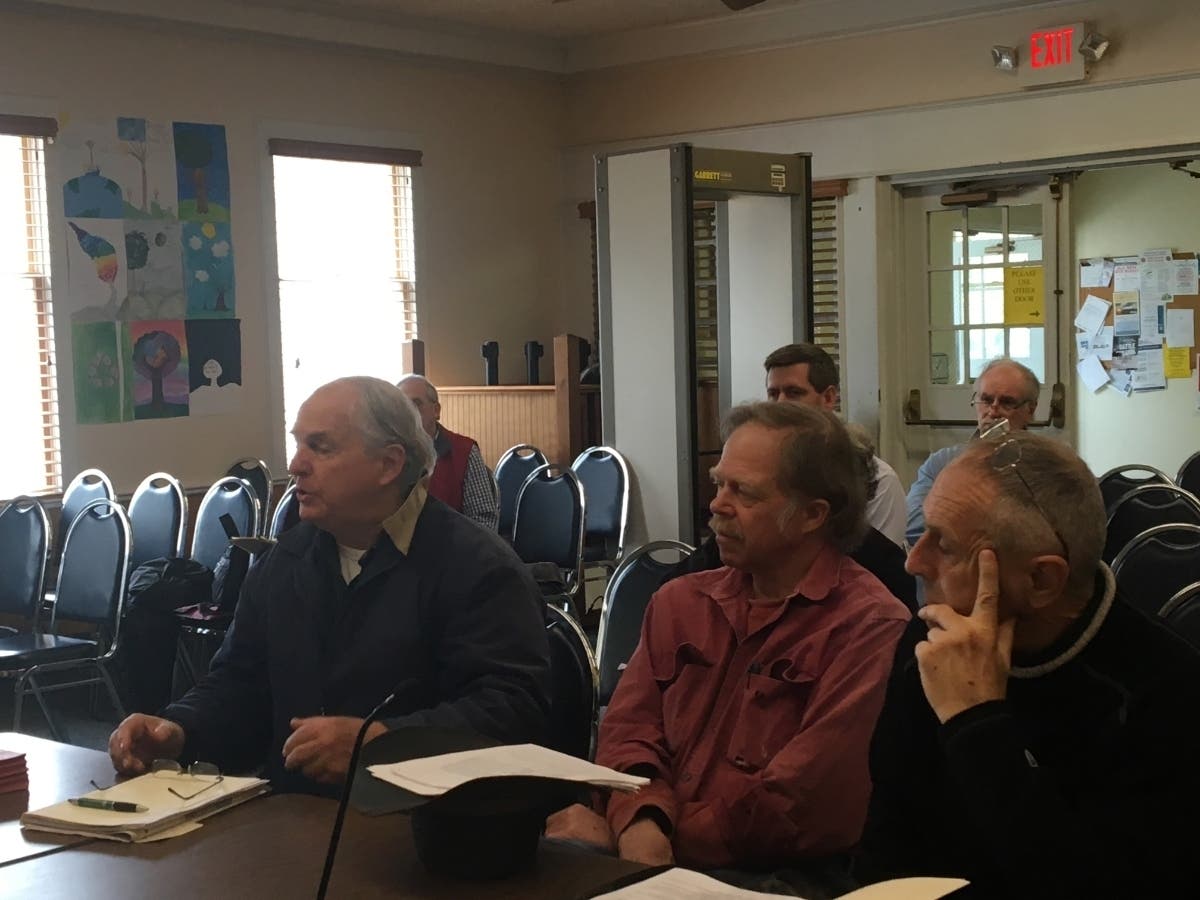
In past months, some spoke vehemently against the legislation's passage. In April, a group of North Fork farmers attended a Southold town board meeting to discuss the legislation proposed in Albany and express concerns that the measures could cripple the local agricultural industry.
Long Island Farm Bureau President Karl Novak said agricultural operations in New York State had long been exempt from overtime requirements. The new law requires overtime be paid after eight hours each day and after 60 hours per week, and would afford workers collective bargaining rights.
"That means the could strike right in the middle of the season when farmers have no bargaining power," he said.
A study by Farm Credit East, he said, indicated that, with a minimum wage of $15 per hour, the new legislation would reduce net farm income by a minimum of 23%.
"And that's before you calculate the impacts of collective bargaining," said Southold Town Supervisor Scott Russell.
East End farmers, Novak said, are already struggling, with other states having lower minimum wages and now, will not be paying overtime while New York will be. "This will really put farming at a competitive disadvantage in the United States, let alone internationally with Canada and Mexico," he said.
Local impacts could be dire, Novak predicted: "I'm sure you will see farms on Long Island, the East End, Suffolk County, where some people will say, 'I've had enough. I can't be profitable and I can't do this anymore.'"
The legislation would impact farmers during the harvest season, he said. "And there is a labor shortage as it is. This is really going to have a devastating effect on agriculture."
According to Novak, one of the issues proponents of the legislation have voiced is that the "Jim Crow era law " kept farmers from the equal rights they deserved. "The insinuation is offensive," Novak said, adding that the belief was that farmers were not paying unemployment, workmen's comp, or disability, "which is all untrue. There is a threshold where farms do not have to pay but that threshold is so low that the vast majority, 99%, pay unemployment, workman's comp and disability."
He added: "A lot of the push in this is based in misinformation."
Russell said the legislation could have negative impacts on farms and farm workers "because if farms don't operate, there is no work, period." Another issue, he said, revolves around the mechanization of farm productions, which might be an option when labor costs escalate — meaning farms would have less of a need for help.
Farmer Doug Cooper said as it stands, many farms on the North Fork pay $15 or more per hour plus housing.
Novak said there was a disconnect between lawmakers proposing the bill and the reality of farm life. "I don't think they understand agriculture and it's not an important issue to them. They don't understand where food comes from. As far as they are concerned food comes from Stop & Shop; they have no connection to where it comes from."
Get more local news delivered straight to your inbox. Sign up for free Patch newsletters and alerts.