Health & Fitness
You were flooded and you fixed your home yourself and now you have mold!
Common mistakes when performing a flood cleanup.
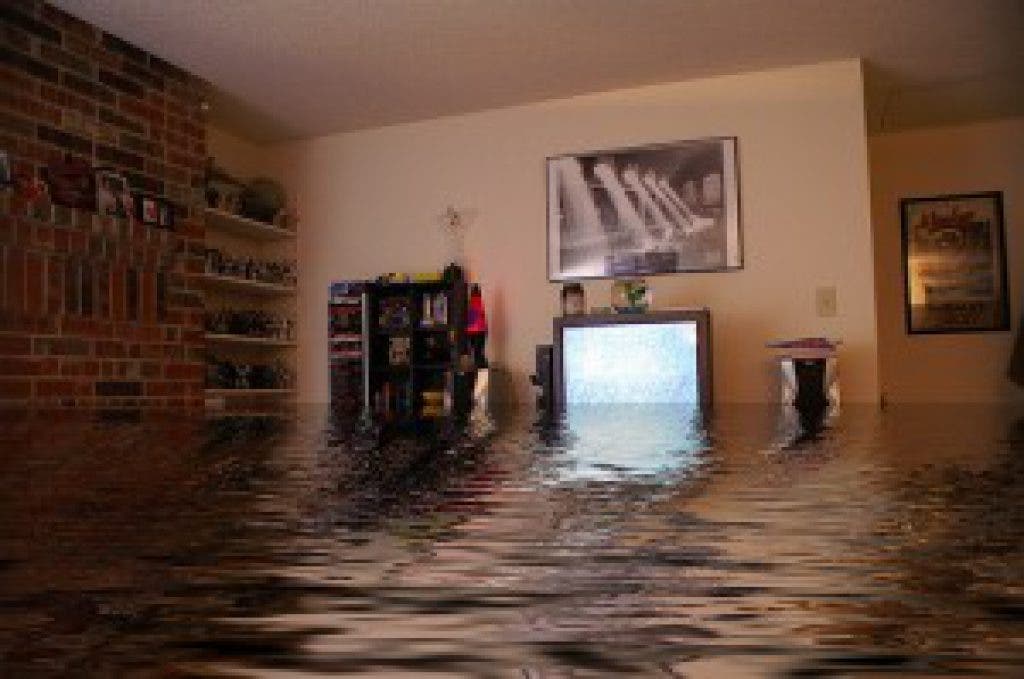
Hurricane Sandy came into your life on October 29th with several feet of water in your home. You lost electricity and soon discover that your cell phone has less bars in more places, aka cellular service was impacted too. You finally got through to a couple of companies that repair flooded houses. Now you had a couple of estimates from several professional companies to repair your home but the cost was going to wipe out your savings and/or they would not be able to start to work on your house for several weeks. Eureka, it hits you, you will search the internet on what needs to be done and do it yourself! Let us fast forward.
The water in your home was pumped out or found a path to drain out on its own. You found out “exactly” what needed to be done on the internet and you have all the right tools. You removed the wet carpet and padding, cut out the wet sheetrock and insulation and sprayed everything with bleach. You waited until you thought everything dried and reinstalled the insulation and sheetrock, trim and painted.
A week or two goes by and now begin to notice some brown spots forming above where you cut the out the wet sheetrock or down by the floor on the new sheetrock. How can this be? The answer is simple – moisture! Mold does not form unless it has moisture to grow. So let’s look at some of the potential causes:
Find out what's happening in Northportfor free with the latest updates from Patch.
- You cut the sheetrock at the water line and did not allow the water wicking further up
- You did not remove the insulation with trapped moisture
- You left the vinyl tiles or laminate flooring down and the moisture remained trapped below the flooring and is releasing into the framing and drywall
Bottom line is there is still moisture in your home that was not addressed. You either did not mechanically dry the house or did not let sufficient time pass for the moisture levels to be at acceptable levels. A professional remediation technician will have a moisture meter and will test the moisture level in wood, concrete and drywall. He will perform the same test after mechanically drying to make sure that the moisture content in each is what is specified by the manufacturers and the industry. Once the structure is dry we spray an antimicrobial to prevent mold.
Find out what's happening in Northportfor free with the latest updates from Patch.
In short, if you were in a hurry and repaired your home without knowing how dry it was then you are the cause of the mold. If you have any questions about this article please do not hesitate to contact me at 631-423-1734 or email me at angel@servproofnorthhuntington.com.