Health & Fitness
The Diet That Provides Energy All Day
Here's how to have consistent energy throughout the day.

We’ve all been there. It’s 2 p.m. on a Wednesday and you can’t seem to muster the energy to complete that next task on your to-do list. You need that energy boost to keep you going not just for the next hour, but for the rest of the day.
It might seem easy to reach for that soda or energy drink to get a quick energy fix, but that’s all it will be -- a quick burst of energy followed by a “hard crash” after these beverages are consumed, explained Nina Eng, RD, chief clinical dietitian at Plainview Hospital.
“Sugar and white flour cause blood sugar levels to spike, then crash, leaving us feeling more tired than before,” said Stephanie Schiff, RDN, nutritionist at Huntington Hospital.
Find out what's happening in Northportfor free with the latest updates from Patch.
An energy zap could be caused by a multitude of things, one of which is dehydration.
“Fatigue is a symptom of dehydration,” Ms. Eng said, “which is why it is recommended we drink eight glasses or 64 ounces of water every day.” Ms. Schiff suggests a glass of water first thing in the morning and then at regular intervals throughout the day.
Find out what's happening in Northportfor free with the latest updates from Patch.
“A diet high in Omega III fatty acids and antioxidants can contribute to improved mood and cognition – which can translate into increased energy,” Ms. Schiff said. Some Omega III fatty acid rich foods are salmon, walnuts and flax seeds.
Having enough amount of fiber in your diet is another avenue to increase energy.
“When the body builds up waste products, it makes us feel sluggish,” Ms. Schiff said. “Insoluble fiber, which is present in the skins, seeds and fibers of plants, becomes an undigested byproduct of the food we eat and helps carry out waste products and toxins. Soluble fiber, which is part of food such as oats, barley, beans and apples, swells up and makes us feel full; it also keeps our blood sugar from spiking and crashing.”
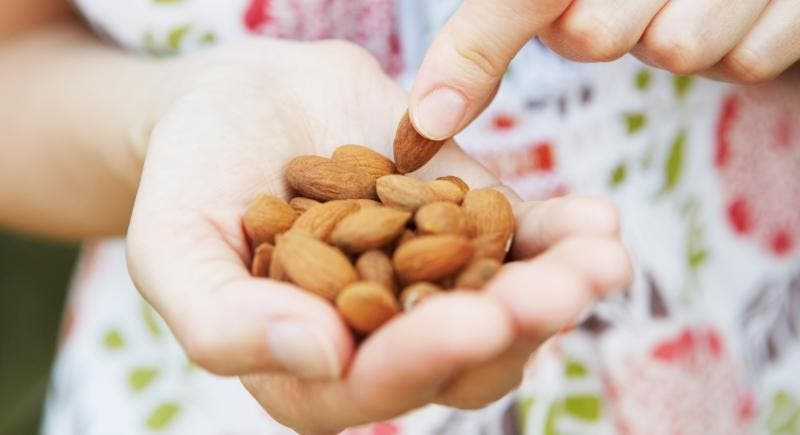
Iron deficiency in diet can also lead to fatigue. Iron-rich foods include: red meat, beans, lentils, spinach, broccoli, beans, prunes, raisins and sesame seeds. Combining vitamin C with iron helps increase the absorption of iron,” Ms. Schiff said. In addition, magnesium rich foods such as almonds, hazelnuts, cashews, nuts, beans, green leafy vegetables and whole grains help the body convert sugar into energy.
Overall, making sure that you continuously eat small amounts of food throughout the day will provide you with consistent energy.
“Balanced meals that include complex carbohydrates, lean protein and fat supply us with all of the essential vitamins, minerals and nutrients that we need to feel energetic and healthy,” Ms. Eng said.