Politics & Government
Monsanto Settlement Will Mean Brand New Pollinator Garden At Sing Sing
The Sing Sing Prison Museum will bring pollinator gardening and horticultural training into three New York correctional facilities.


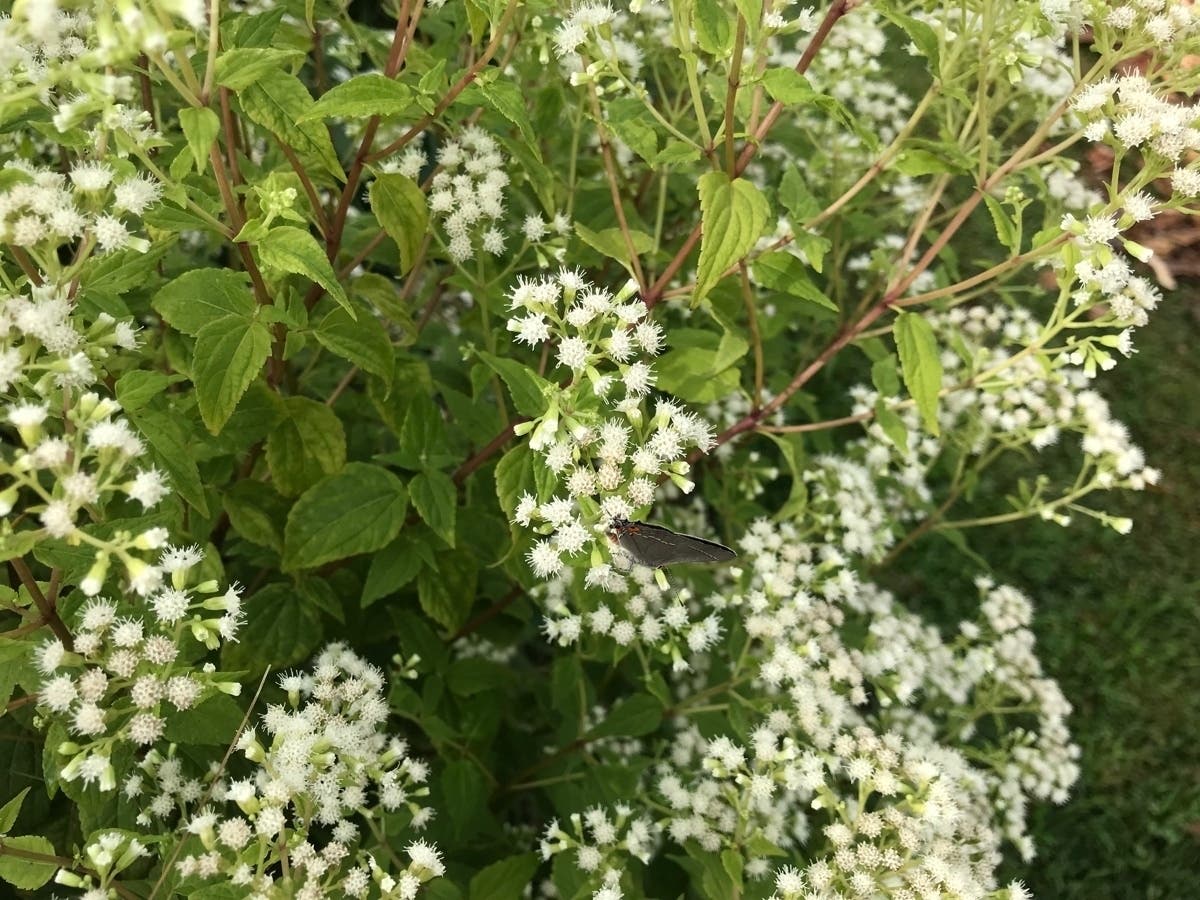
OSSINING, NY — One of the Hudson Valley's most historic sites will get a new pollinator garden, thanks in part to a massive legal settlement.
New York Attorney General Letitia James and The New York Community Trust have announced $505,000 in grant funding for 28 community organizations to support pollinator conservation projects in historically underserved communities across New York.
The grants are the second and final round of awards from the New York Pollinator Conservation Fund, a $3.45 million initiative created by the Office of the Attorney General using proceeds from a 2023 settlement with Bayer CropScience and Monsanto over misleading claims about the safety of certain Roundup consumer weedkillers, which can be toxic to pollinator species.
Find out what's happening in Ossining-Croton-On-Hudsonfor free with the latest updates from Patch.
Of the total award, $419,000 was funded by the settlement and $86,000 was contributed by the Trust, a community foundation that supports charitable work across New York and the fund’s administrator. This final round targets communities identified as disadvantaged under New York’s Climate Leadership and Community Protection Act, ensuring that the fund's benefits reach communities historically underrepresented in government funding programs.
"Every New Yorker deserves to live in a community with clean air and green space, no matter their zip code," Attorney General James said. "These grants will bring pollinator gardens, workforce development, environmental education, and other benefits directly to communities that have too often been left out of conservation efforts. I am proud to close out this fund by investing in the New Yorkers and neighborhoods that need it most."
Find out what's happening in Ossining-Croton-On-Hudsonfor free with the latest updates from Patch.
Pollinators such as bees, butterflies, birds, and bats are essential to New York's agriculture and ecosystems, supporting the production of more than a third of the state's crops. According to the Empire State Native Pollinator Survey, at least 40 percent of New York's native pollinator species are at risk of disappearing from the state.
"Pollinator decline is a pressing concern in New York State and across the nation," The Trust's Arturo Garcia-Costas said. "It was a real privilege working with the Attorney General’s office to support and lift up this diverse set of practical, community-focused projects that will benefit pollinators from Lake Huron to Mastic Beach in a host of ways."
In Westchester, the Sing Sing Prison Museum will bring pollinator gardening and horticultural training into three correctional facilities to support rehabilitation and workforce development.
A total of 28 grantees will use one-year grants ranging from $5,000 to $20,000 to fund habitat creation and restoration. The selected recipients reflect the breadth of New York's community-based environmental work, from land trusts and community gardens to museums to tenant associations, food justice groups, and reentry organizations.
- In Brooklyn, the Walt Whitman Tenants Association will restore green space at a New York City Housing Authority (NYCHA) complex, and Cypress Hills Local Development Corporation will build a pollinator sanctuary at the East New York Youth Farm.
- In the Bronx, Bronx is Blooming and the Bronx River Alliance will create pollinator habitats along the Bronx River and provide employment opportunities for local youth.
- On Staten Island, H.E.A.L.T.H for Youths will expand pollinator habitat through native plantings, tree-bed improvements, and youth engagement.
- On Long Island, Mastic Beach Conservancy will install native coastal plantings in partnership with the Town of Brookhaven, and the Sisters of Saint Joseph will replace invasive vegetation with native plants on a wastewater treatment site in Brentwood.
- In the Hudson Valley, Kingston Land Trust will create six new pollinator gardens within its Pollinator Sanctuary to serve as outdoor classrooms for community education, while Kites Nest, Inc. in Hudson will expand a youth-led urban pollinator habitat through ecological restoration and youth employment.
- In Syracuse, the Syracuse-Onondaga Food Systems Alliance will connect pollinator conservation and food justice by expanding food-bearing pollinator habitat in the Onondaga Creek Watershed.
- In Rochester, the M.K. Gandhi Institute for Nonviolence will create wild bee habitat and engage community members through native plantings and environmental education.
- In Buffalo, the Michigan Street African American Heritage Corridor Commission will weave pollinator habitats into its Griot Stroll cultural programming, while Grassroots Gardens of Western New York will convert vacant lots into pollinator habitats citywide.
Across the state, the funded projects fall into several broad categories: habitat creation and restoration, including new pollinator gardens, meadows, and native plantings on vacant lots, parkland, brownfields, and public housing sites; procurement and installation of native plants and sustainable horticultural practices, including invasive species removal and pollution control; workforce development, with several grantees hiring and training local youth and reentry populations to lead conservation work; and public education, including community workshops and programming for schools.
Some groups will also use the funding to formalize long-term stewardship structures, such as volunteer corps and community "pollinator pathways," to sustain the habitats long-term.
Get more local news delivered straight to your inbox. Sign up for free Patch newsletters and alerts.