Health & Fitness
Summer Gazpacho
There is no food more reminiscent of summer, more cooling in the scorching heat, than gazpacho.


There is no food more reminiscent of summer, more cooling in the scorching heat, than gazpacho. In the late summer, when local tomatoes are tasty and plentiful, it's one of the easiest, most impressive and refreshing light meals. Gazpacho is essentially a cold raw vegetable soup, originating from Spain and is eaten mainly in the summer time in Spain and Portugal, as well as other parts of Latin America on sweltering hot summer days and humid nights! Often described as a liquid salad, this grand summer soup has as many variations as it does stories about its past.
As most food origin stories go, the story of how gazpacho came to be is hard to pin point exactly. We know that a version of the soup was brought to Spain with the Moors and Romans; it was more a vinegar and garlic type concoction at that point. When it arrived in the Andalusian area of Spain, stale bread was added to the recipe, as was more garlic and olive oil and this version was similar to what we call today gazpacho blanco or “ajoblanco.” In the 1700’s, when Cortez came back from his travels to the Americas, he brought back with him tomatoes and peppers and thus these vegetables soon became a part of the Andalusian dish. At this time the dish was popular with peasants, mainly field hands and farmers and it was eaten during the very hot days of summer, since there was plenty of access to fresh vegetables, many of these new items were added to the traditional dish including herbs, onions and cucumbers.
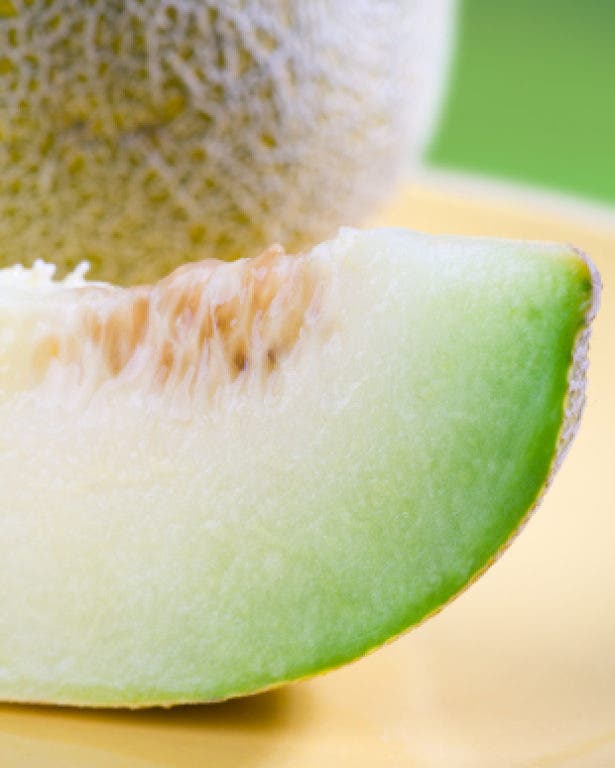
Today, gazpacho variations are as vast as the history, including cucumbers, avocadoes, parsley, mint, chives, basil, watermelons, cantaloupes, grapes and seafood. One thing is for sure all variations are cooling and all variations in a true gazpacho, are uncooked. The textures can vary from liquidy to very thick depending on style and preference as well as tools used but it is always in soup form. Traditional gazpachos are made with a mortar and pestle as the idea is not to blend the vegetables but to crush them, extracting the juices and flavors. Once mistake often made is people will blend up the entire gazpacho and it ends us more like a smoothie than a soup. The trick is to do partial blends of certain ingredients, for example in the traditional Andalusian Gazpacho calls for blended soaked bread, which is perfect to blend in the food processor or blender with water or tomato juice, than it’s mixed with the other ingredients that are crushed. The same goes for some of the new modern or fusion versions of gazpacho, like the melon gazpachos, where just portions of the watermelon, cantaloupe or cucumber is blended, but not the entire soup.
Find out what's happening in Park Slopefor free with the latest updates from Patch.
Vinegar is one of the key components in gazpacho and most traditionally, sherry vinegar. The variations of gazpachos all contain vinegar, such as champagne, red wine, or balsamic and sometimes citrus juices, again there are many possibilities, but the bright acidity of vinegar is as important as the tomatoes!
Another important thing to remember in making gazpachos is to chop the vegetables and fruits small regardless if you are crushing them or not. Small vegetables and fruits are easier to chew and make more of a soupy texture in the end. Other than being creative, this is the only tip you need. Remember COLD, RAW, or CRUSHED, you can enjoy these refreshing gazpachos that will sizzle your summer away!
Find out what's happening in Park Slopefor free with the latest updates from Patch.
Here are a few of my favorite summer gazpacho recipes!