Real Estate
Park Slope Building Lands On NYC’s ‘Most Distressed’ List
The building has 93 open violations, according to the Department of Housing Preservation and Development.


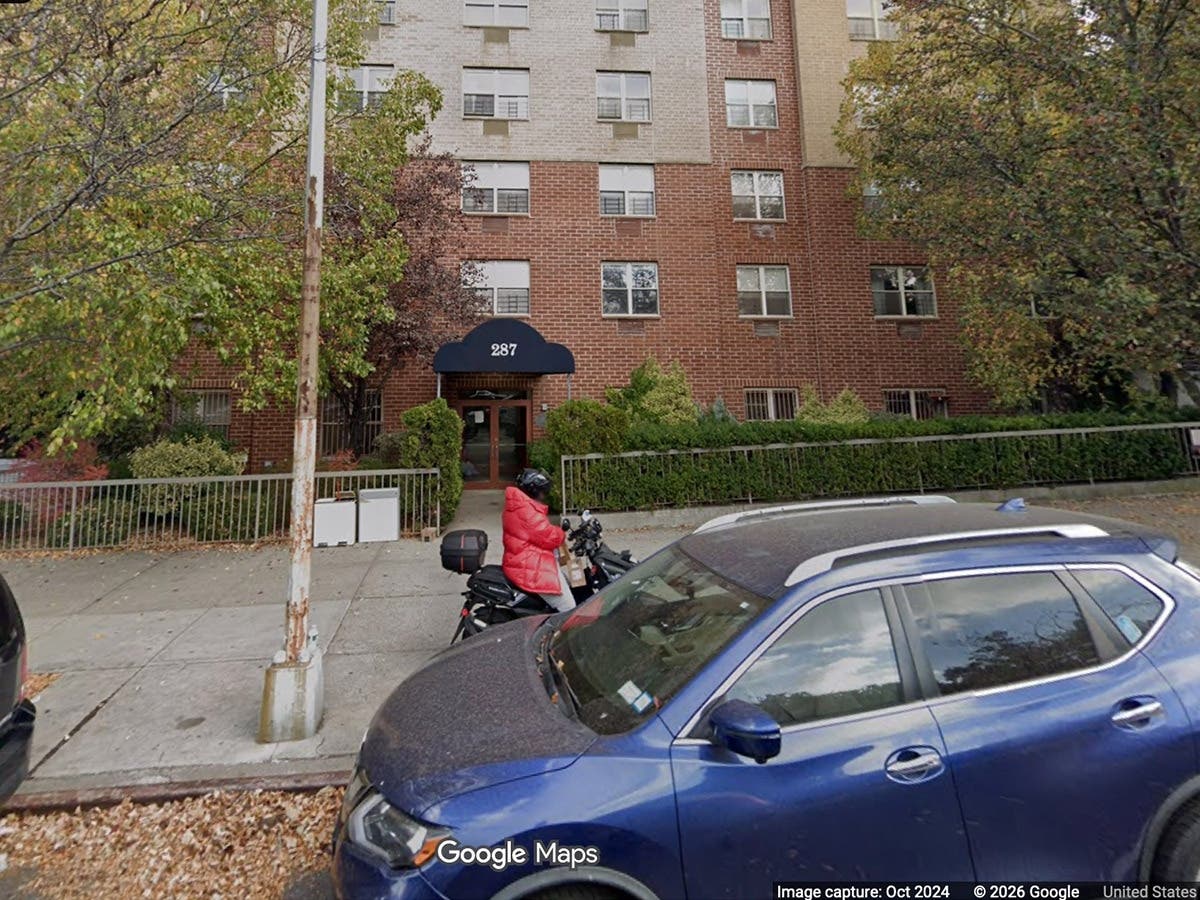
PARK SLOPE, NY — A Park Slope apartment building has landed on the city’s annual list of 250 most distressed residential properties, prompting increased monitoring and corrective action from the Department of Housing Preservation and Development.
City officials have placed the building in the Alternative Enforcement Program, a nearly 20-year-old crackdown on landlords with chronic, severe housing code violations that endanger tenants.
The property at 566 7th St., between Prospect Park West and Eighth Ave., is a three-story multifamily walk-up with over 90 open violations—including 19 Class C violations, NYC’s most critical category for immediately hazardous conditions—per HPD records.
Find out what's happening in Park Slopefor free with the latest updates from Patch.
In addition, the property has 43 Class B violations, all deemed hazardous. Examples range from cracked floor tiles and rodent problems to water leaks and mold on walls or ceilings.
The city’s updated list of 250 buildings spans all five boroughs and includes 7,038 apartments with a combined 54,909 open housing code violations. Property owners on the list collectively owe the city nearly $4.5 million for emergency repairs already completed after landlords failed to fix hazardous conditions on their own, officials said.
Find out what's happening in Park Slopefor free with the latest updates from Patch.
The Alternative Enforcement Program, now in its 19th year, allows the Department of Housing Preservation and Development to step in when landlords fail to address persistent violations.
The city increases inspections, issues Orders to Correct and, if necessary, performs repairs directly when owners do not act. The city then bills landlords for the work and can pursue legal action in Housing Court if violations remain unresolved.
Last week, Mayor Zohran Kwame Mamdani and HPD Commissioner Dina Levy said the updated list reflects repeat patterns of disrepair and long-standing violations.
Building owners can exit the Alternative Enforcement Program within months if they resolve violations and pay outstanding emergency repair charges, or enter into a payment agreement with the city. HPD continues monitoring discharged buildings for at least one year, with repeat violations triggering renewed enforcement.
With additional reporting by Ainsley Martinez.
Get more local news delivered straight to your inbox. Sign up for free Patch newsletters and alerts.