Health & Fitness
Legionella Found In Water At Park Slope Hospital
The hospital put in water restrictions after the bacteria was found in a routine safety inspection.


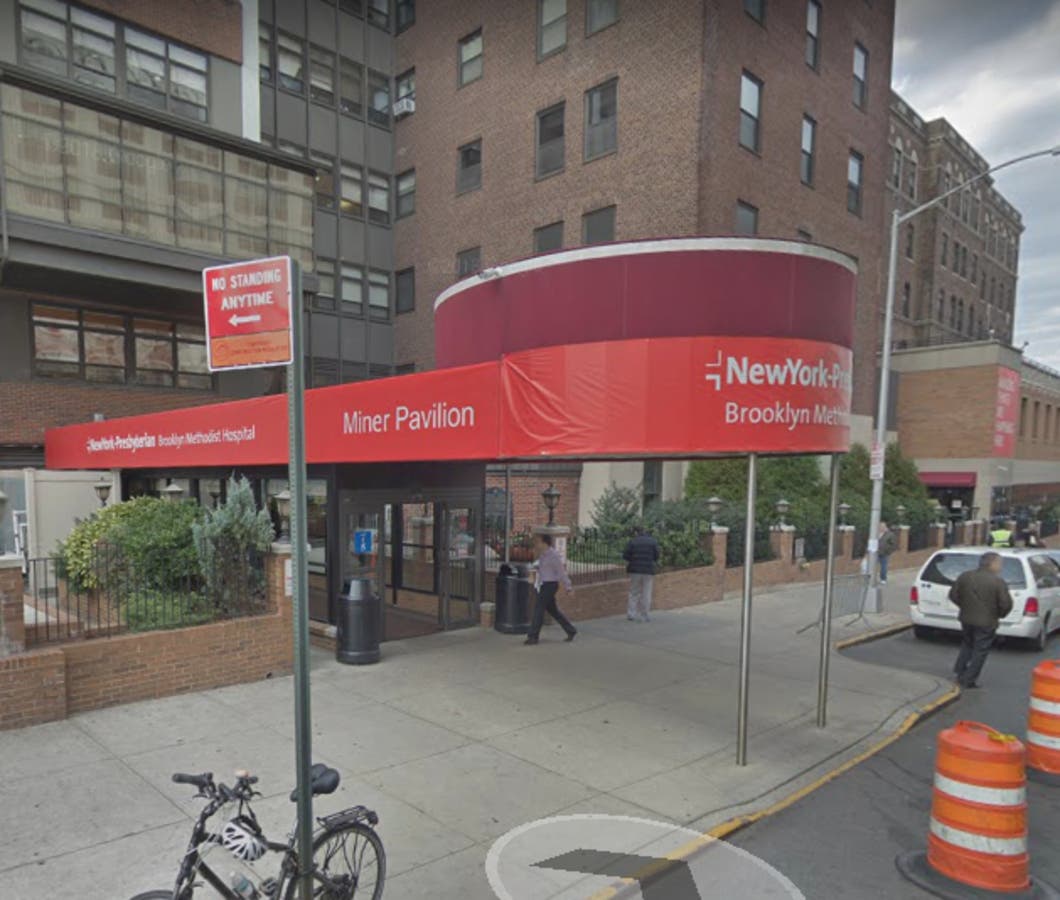
PARK SLOPE, BROOKLYN — State health officials are helping Brooklyn Methodist Hospital after traces of a bacteria that can cause respiratory illnesses was found in its water supply, officials said this week.
The bacteria, known as legionella, was found in certain inpatient units at NewYork-Presbyterian Brooklyn Methodist Hospital during routine water safety testing, hospital officials said.
According to the Centers for Disease Control, it can cause Pontiac Fever or Legionnaires’ disease, a type of pneumonia, to those who breathe in its mist or swallow infected water. Infections, though, are rare and treatable if they do occur, hospital officials said.
Find out what's happening in Park Slopefor free with the latest updates from Patch.
"It is important to note that the water supply of many large buildings and hospitals often contains small amounts of legionella bacteria, and most people who are exposed to legionella will not become ill," NewYork-Presbyterian spokesperson said. "If legionella does cause an infection, it is treatable with antibiotics and does not generally pose a threat to the public. "
To be safe, the hospital put in water restrictions and took steps to disinfect the water sources.
Find out what's happening in Park Slopefor free with the latest updates from Patch.
The New York State Department of Health is also working with the hospital to investigate the legionellosis.
"The health and safety of our patients and staff is always our primary concern," the spokesperson said. "We work with the State and City Departments of Health to maintain a clean water supply."
Legionella is not spread person-to-person, state officials noted. The bacteria got its name after an outbreak of pneumonia in 1976 at an American Legion convention in Philadelphia.
People 50 years and older, current or former smokers, those with chronic lung disease, people with weak immune systems, people with cancer and people with underlying illnesses are most at risk of developing an infection from the bacteria, according to the CDC.
The routine checking of water for legionella was part of a policy adopted by the department in 2015, which was the first in the country of its kind.
"(It requires) cooling towers to be registered, routinely inspected, and tested for Legionella to reduce potential exposures, prevent illnesses, and protect the public," department officials said. "The regulations require all general hospitals and residential health care facilities to perform Legionella culture sampling and analysis of their drinking water systems."
Photo from GoogleMaps.
Get more local news delivered straight to your inbox. Sign up for free Patch newsletters and alerts.