Community Corner
These 5 Brooklyn Buildings Are Now Landmarks, City Says
Five historic Gowanus spots were designated as landmarks in what advocates call a step to preserving the neighborhood ahead of its rezoning.


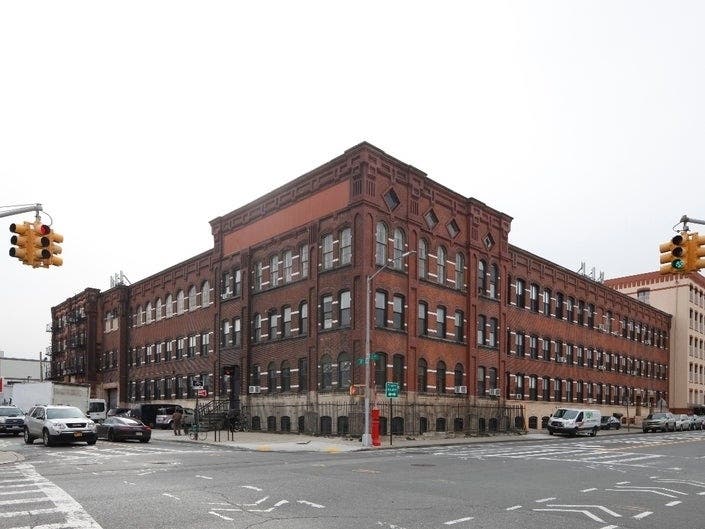
GOWANUS, BROOKLYN — Five buildings in Gowanus have officially become landmarks in what advocates call a step towards preserving the neighborhood's history as a rezoning looms.
The Landmarks Preservation Commission voted Tuesday to designate the Gowanus Flushing Tunnel Pumping Station and Gate House, Somers Brothers Tinware Factory, the Brooklyn Rapid Transit Company Central Power Station Engine House, the Montauk Paint Manufacturing Company Building and the ASPCA Rogers Memorial Building as landmarks after first adding the spots to the calendar over the summer.
The five buildings were chosen after the LPC worked with the Department of City Planning, which is leading a rezoning plan for Gowanus and after a push from local advocates who have made the case for preserving certain sites before the rezoning plan, or other changes, lead to demolition of significant properties.
Find out what's happening in Park Slopefor free with the latest updates from Patch.
Commission members said the five buildings represent the most architecturally and historically significant properties for the neighborhood.
“These buildings stand out in the neighborhood as tangible reminders of the rich history of the neighborhood and the Gowanus Canal," LPC Chair Sarah Carroll said. "They are all inherently connected to the manufacturing industries and institutions that developed around the canal in the late-19th and early-20th century.”
Find out what's happening in Park Slopefor free with the latest updates from Patch.
Advocates, like the Gowanus Landmarking Coalition, have said that the new landmarks are an important first step to protect the neighborhood's history from the rezoning, which they argue could irreversibly change the area as city planners try to bring more affordable housing, climate-change protections and varied development to the canal-adjacent neighborhood.
The group has pushed for a list of other spots, along Brooklyn's Fourth Avenue, in Carroll Gardens, and in Red Hook, to also be to added LPC's calendar.
Brooklyn's Community Board 6, which voted to support landmarking the five sites, also has asked LPC to look for other noteworthy locations to designate. The board has urged DCP to include protections and enhancements to Gowanus' Industrial Business Zone in its rezoning plan, CB6 District Manager Mike Racioppo told Patch.
Among the Gowanus Landmarking Coalition's list are several buildings the group says is already under threat, such as the S.W. Bowne Grain Storehouse that developers have already started to tear down or the Gowanus Station building, which was threatened for demolition with the Gowanus Canal clean-up plan.
They noted that the LPC had not closed the door on considering other properties from this list.
Here's a look at the five buildings (photos provided by LPC):
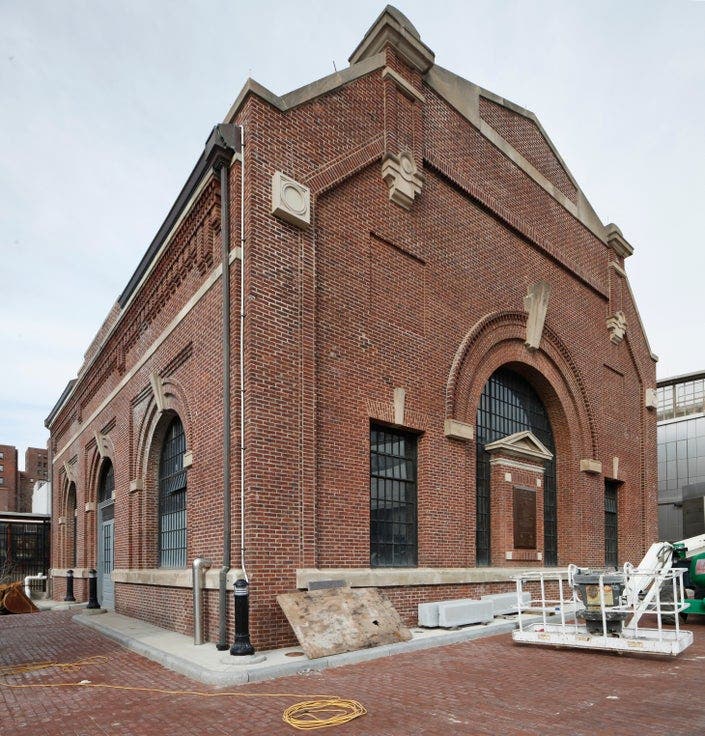
Gowanus Flushing Tunnel Pumping Station and Gate House
This building, found at 196 Butler Street, was built between 1910 and 1911. It was part of a major infrastructure project intended to clean the polluted waters of the Gowanus Canal.
When it opened, it represented one of the most ambitious efforts to clean a polluted American waterway, the LPC said.
The larger of the two buildings, the Pumping Station, housed the tunnel's pumping and electric motor equipment and the Gate House contained the tunnel's southern gate valve.
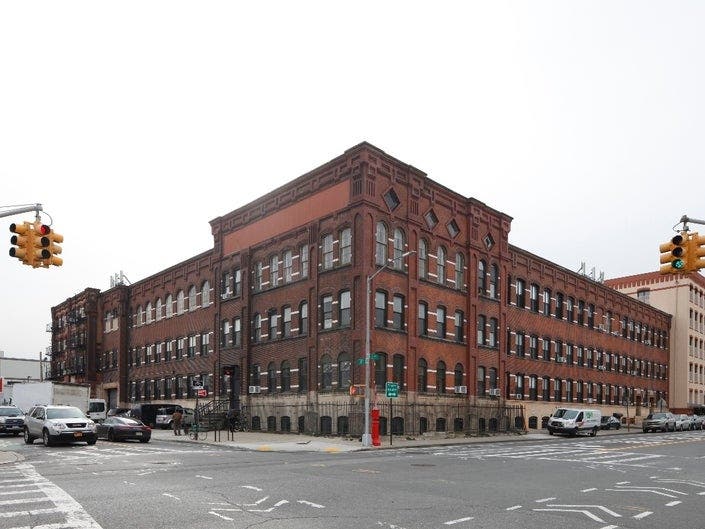
Somers Brothers Tinware Factory
This 3rd Street building, which spans several addresses on Third Avenue and 3rd Street, was built in 1884 and in 1891. It was constructed by the Somers Brothers, a major manufacturer of tinware boxes.
The Somers Brothers continued to work there until 1901, when the building was taken over by the American Can Company.
Since the 1970s, the former Somers Brothers factory has housed artists' studios. More than 300 artists, craftspeople, publishers, and filmmakers occupy the building today, and it serves as a venue for the annual Rooftop Films series, the LPC said.
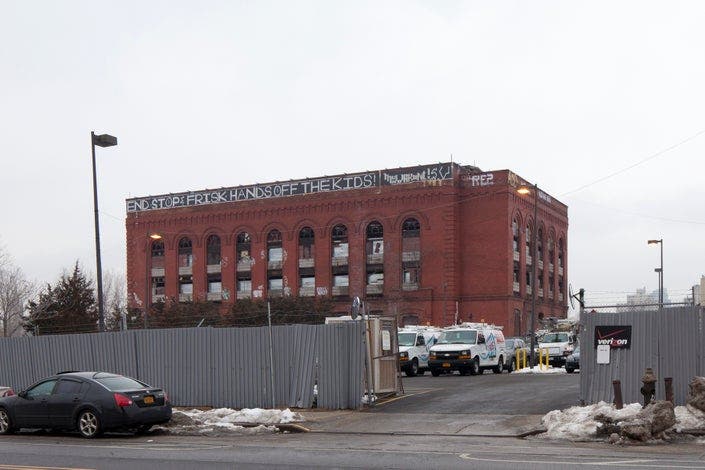
Brooklyn Rapid Transit Company Central Power Station Engine House
This building was constructed by the Brooklyn Rapid Transit Company between 1901 and 1902. The Romanesque-Classical Revival style structure is found at 153 2nd St.
"The former Brooklyn Rapid Transit (BRT) Central Power Station Engine House is a monumental link to the Gowanus Canal's industrial past and a significant structure in the development of mass transit in New York City," the LPC said.
The transit company, which gained a near-monopoly over Brooklyn's railroad and streetcar lines, consolidated generating operations for Brooklyn's various mass-transit lines at this site.
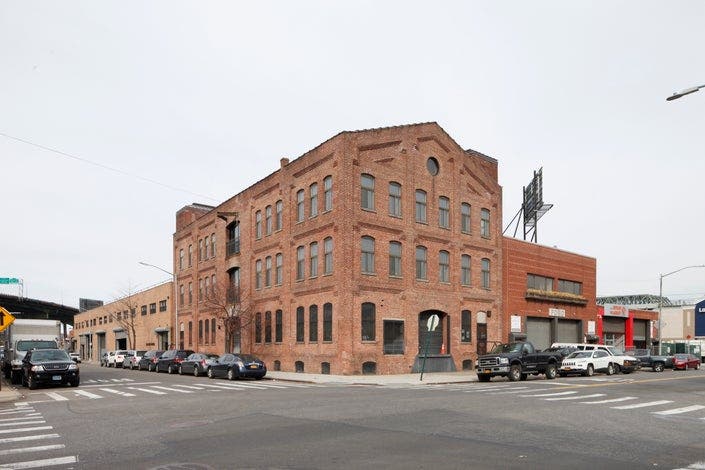
Montauk Paint Manufacturing Company Building
This 2nd Avenue building as designed by G. George Heghlman and was one of two factories built as an investment for William Kelly, president of the Brooklyn Alcatraz Asphault Company. It was built in 1908 and is an American Round Arch style.
The building's first tenant was the Montauk Paint Manufacturing Company, which by 1910 was joined by the Dessau Cork Company and Diamond Decorative Leaf Company.
The painting company was an example of the borough's position as one of the foremost paint manufacturing centers in the country at the time.
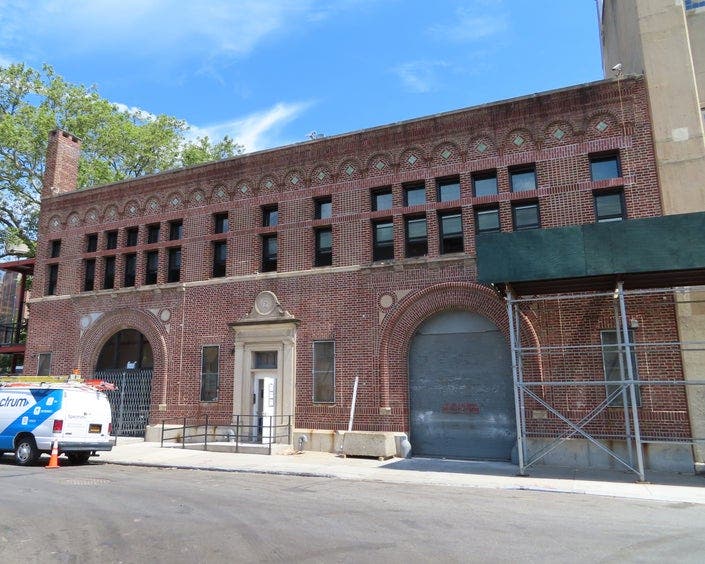
American Society for the Prevention of Cruelty to Animals (ASPCA) Rogers Memorial Building
This building, opened first in 1913, was hailed as the "largest, most complete animal shelter in the world." It was largely funded by members of the Bowdoin and Schermerhorn families and constructed as the Brooklyn dog and cat shelter of the American Society for the Prevention of Cruelty to Animals (ASPCA) and is the finest surviving ASPCA building in New York City.
The 233 Butler Street building was first built in 1913 and expanded in 1922. It was designed byRenwick, Aspinwall & Tucker and built in the Neo-Romanesque style.
Get more local news delivered straight to your inbox. Sign up for free Patch newsletters and alerts.