Neighbor News
Attention LIRR Riders: There are Stalled Negotiations in Front of Us...Please Change at Jamica
Why the economics of compounding inflation and archaic work rules mean this transit shutdown is structurally stuck.

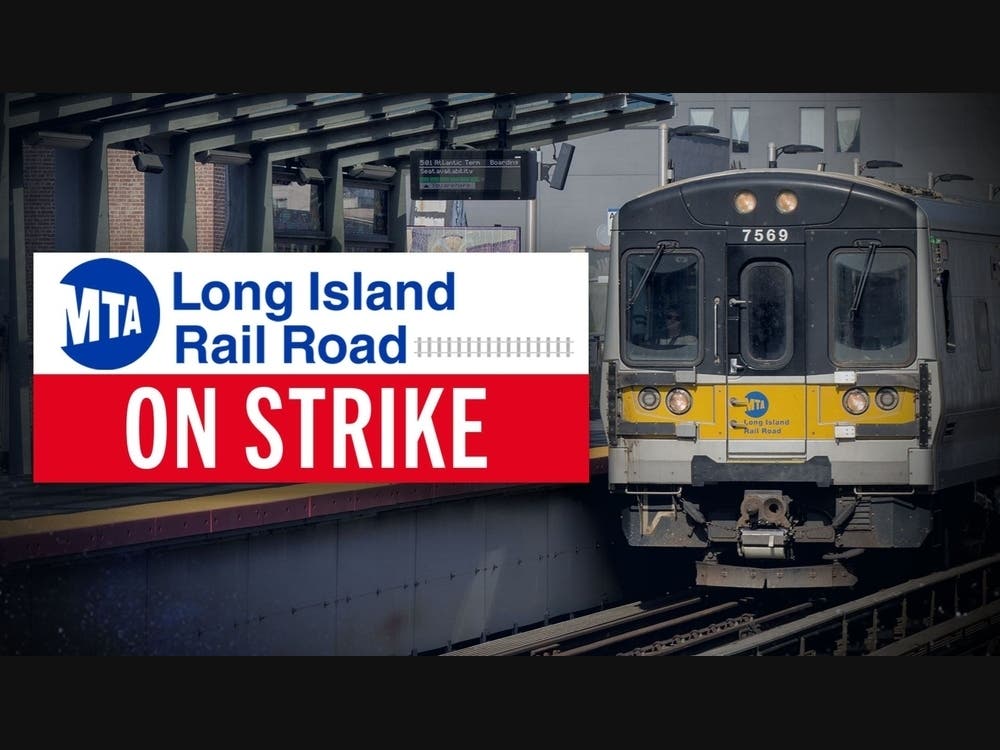
The shutdown of the Long Island Rail Road has pushed the New York metropolitan region into a transportation crisis. Nearly 300,000 daily riders are now navigating congested highways, limited shuttle buses, and improvised commuting plans. The familiar narrative is a clash between a public agency guarding its budget and a labor coalition using its strike authority to secure higher wages. That framing is incomplete. The LIRR strike is not a failure of character. It is a failure of incentive design.
Both the Metropolitan Transportation Authority and the unions are acting with rational microeconomic logic inside a bargaining structure that produces irrational public outcomes. The visible crisis is a halted commuter rail system. The underlying crisis is a bargaining architecture that rewards brinkmanship, externalizes costs, and prevents either side from internalizing the full regional damage.
The immediate dispute centers on the structure of the 2026 wage increase. The MTA offered a three percent baseline raise and a temporary lump sum intended to approximate a 4.5 percent increase for the current year. For a public agency under fiscal pressure, a lump sum is a strategic tool. It satisfies short-term worker demands without permanently increasing the wage base. By avoiding a higher compounding percentage, the MTA protects its long-term operating budget and limits the downstream effects that Governor Kathy Hochul has warned could include fare hikes or new taxes.
Find out what's happening in Pelhamfor free with the latest updates from Patch.
For workers, the same offer has a different economic meaning. In a high-cost region like New York, inflation permanently raises household spending. A lump sum behaves like a temporary subsidy. It does not adjust the baseline wage that determines future percentage increases. Accepting a lump sum today locks in a lower lifetime earnings trajectory. For a workforce already three years behind schedule on contract adjustments, holding out for a permanent five percent baseline increase is not emotional posturing. It is a rational defense of purchasing power in an inflationary environment.
A second structural friction compounds the wage dispute. The LIRR still operates under legacy work rules that create nonlinear compensation patterns. Engineers can trigger multiple days of pay within a single shift by switching between equipment types or moving empty trains to yards. These penalty payments are not marginal bonuses. According to MTA figures, they added nearly fifteen percent to average engineer compensation in 2024. In a standard labor market, management would negotiate a buyout of these inefficiencies. The LIRR is not a standard labor market. It is governed by the Railway Labor Act of 1926, which grants rail workers a statutory right to strike once mediation ends. New York City Transit workers do not have this right. The result is an asymmetric labor environment inside the same regional transit system. The unions can protect legacy work-rule benefits because they hold a credible strike threat that other transit workers do not.
Find out what's happening in Pelhamfor free with the latest updates from Patch.
The most significant flaw in this structure is the externalization of costs. The commuting public and regional businesses bear the economic burden of the shutdown. The state comptroller estimates that the region loses more than $60 million per day due to reduced productivity, missed work, and congestion. Neither the MTA nor the unions directly absorbs these losses. Because the public pays the price, neither side has a strong incentive to compromise quickly. Advising commuters to work from home may reduce political pressure, but it does not resolve the underlying economic distortion for workers who cannot telecommute.
A viable resolution requires a productivity-wage swap. The MTA should convert the temporary lump sum into a permanent percentage increase that protects real wages. The unions should agree to phase down the most costly penalty-payment rules through grandfathering, buyouts, or narrower application, replacing them with a modernized compensation structure that supports operational flexibility. This exchange aligns long-term wage stability with long-term productivity gains.
Until both sides redesign the incentives that govern their negotiations, the region will remain trapped in a system where everyone has leverage, nobody can move, and the public pays the bill.