Arts & Entertainment
Q & A with Pelham Author Fen Montaigne
Patch sits down with Fen Montaigne to talk all things global warming, penguins, and the scribe's recent release: "Fraser's Penguins: A Journey to the Future in Antarctica."


Just as a piece of cloth frays first at the edges, changes in the global climate are appearing at the extreme ends of the planet. Satellite images show that last month the extent of the ice pack at the North Pole was the lowest it’s been in a January since satellite records began in 1979.
Conditions at the bottom of the world are the subject of Fen Montaigne’s new book, "Fraser’s Penguins: A Journey to the Future in Antarctica", which recounts Montaigne’s five-month stay at a remote research station on the Antarctic Peninsula, a 900-mile-long finger of land that points toward South America.
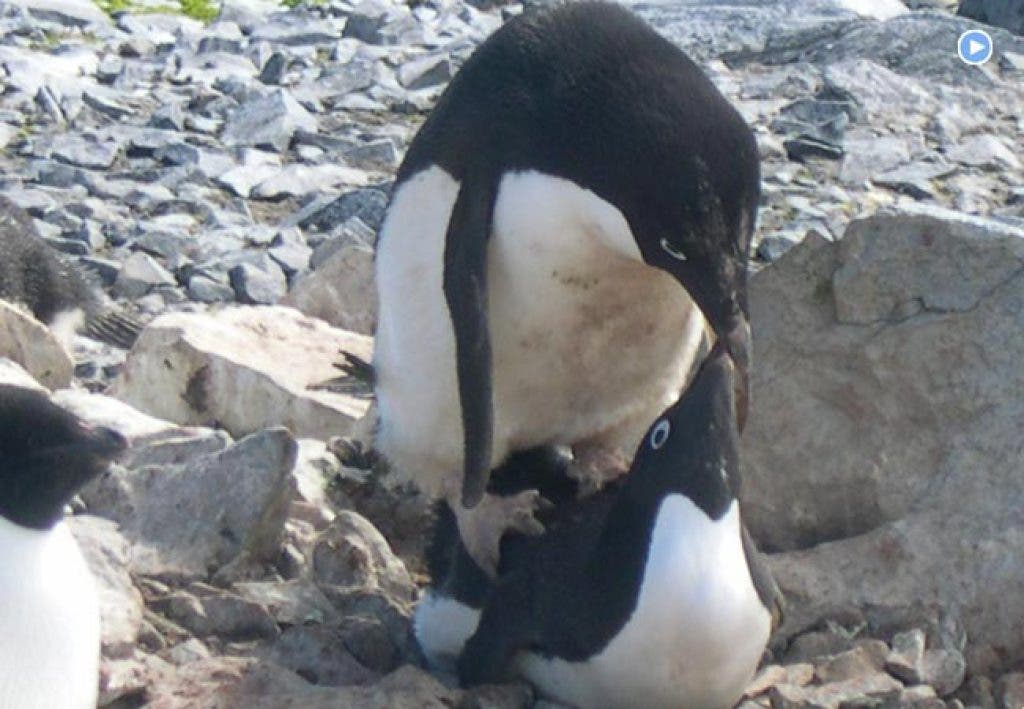
Montaigne, a Pelham resident and author of the book "Reeling in Russia", worked as a member of a team of researchers led by ecologist Bill Fraser, who has devoted much of his professional life to studying the Adélie penguin, which depends on the Antarctic’s sea ice to survive. As average temperatures have risen and sea ice has diminished, Fraser has documented an 80 percent decrease in the Adélie population that lives on a number of islands near the research station.
Find out what's happening in Pelhamfor free with the latest updates from Patch.
Over lunch on a chilly February day, I asked Montaigne, a former foreign correspondent who is now the senior editor of Yale University’s environmental news website Yale Environment 360, about the Antarctic, Adélies, and the larger implications of the penguins’ fate.
Q. How did you come to spend five months in the Antarctic?
Find out what's happening in Pelhamfor free with the latest updates from Patch.
A. I went down to Palmer Station, which has only about 40 people in the summer, in 2004 for a story about global warming for National Geographic. That’s when I met Bill Fraser, who has gone to the Antarctic for several months every year since 1974. That first trip gave me the idea for the book, and I was able to work as an unpaid member of his research team in 2005-2006, during the Antarctic summer.
Q. What kind of work did the team do?
A. We’d go out to the penguin colonies in rubber Zodiac boats, and we’d count the birds and put satellite transmitters on some of them. The other team members were pretty used to handling the birds. We’d grab them by the flippers and then one of the researchers would attach the transmitter to a flipper. Fraser uses the transmitters to track how far the penguins go to forage for krill, their main food (a shrimp-like crustacean).
Q. Why does Fraser study this particular species of penguin?
A. They’re an ice-dependent species that relies on sea ice as a feeding platform in the winter, so they can reach the krill more easily. That makes them very sensitive to changes in the climate. Average midwinter temperatures there have increased by 11 degrees since 1950, and now sea ice covers the area for three months less than it used to.
Q. What impact has that had on the penguins?
A. When Fraser started studying the penguins in 1974, there were between 30,000 and 35,000 breeding pairs in this area. They’re down to about 5,000 pairs today. They’ve evolved to exist in this ice desert, but now they’re out of sync with the climate in which they evolved. They’re just not getting enough food.
Q. What kind of a character is Fraser? You must have felt drawn to him to want to spend five months with him.
A. He’s affable but difficult to get to know well. When he’s not in Antarctica, he lives in southwestern Montana. He left academia and now the National Science Foundation funds his research group. He zeroed in on this one small corner of Antarctica, and over the course of his work there, it’s changed so completely. I think of Fraser and his team as sentinels out there sending back reports of how things are changing. And these changes are coming our way. Antarctica has 90 percent of the world’s ice, and as it melts, sea levels are expected to rise worldwide.
Q. It’s hard to imagine what this remote part of the world is like. How would you describe it?
A. It’s very inhospitable but beautiful. It’s a kind of epic landscape, with a mountain range that runs right into the ocean. It’s probably the most exotic setting I’ve ever worked in. The Antarctic summer is warmer than this winter in Pelham has been. It even reached 52 degrees in January. Penguins actually pant when it gets that warm.
For more about “Fraser’s Penguins,” visit the website for the book, www.fraserspenguins.com