Politics & Government
Op-Ed | Village Courts: 'Closest to the People,' But Little Understood
One of three candidates seeking election as Pleasantville Village Justice shares the five top questions he's been getting from residents.


By John Vukelj
Pleasantville’s long-serving Village Justice, the Honorable John Curley, has announced that he is not seeking reelection. His distinguished 28-year tenure will end this spring. I am one of three candidates seeking to fill the role. Election Day is Tuesday, March 21.
I am a Pleasantville resident, and my wife and I are proud parents of two children who attend school here in the district. I’m also, for almost 20 years, a litigation and criminal investigations attorney practicing in state and federal courts, as I describe in greater detail below.
Find out what's happening in Pleasantville-Briarcliff Manorfor free with the latest updates from Patch.
Village courts – sometimes called the “courts closest to the people” – play a very important role in our community. As I have campaigned across Pleasantville, speaking to hundreds of residents about our Village Court, many have wanted to know more about what the court does.
So, to generate better understanding – and to help inform voters on March 21 – this article addresses the top five questions voters have asked me in our discussions.
Find out what's happening in Pleasantville-Briarcliff Manorfor free with the latest updates from Patch.
What does the Village Court do?
Every municipality in New York has a local court that handles criminal matters and civil claims.
The village justice renders decisions that may lead to arraignments, imprisonment, evictions, orders of protection, debt collection, building violations, and significant fees and fines.
Sometimes we have jury trials; I’ve met at least one village resident who was called for jury duty in our Village Court.
In criminal cases, the village justice is authorized to handle the prosecution of misdemeanors and violations that are committed within the village's borders. The justice conducts arraignments and preliminary hearings in felony matters, and may issue orders of protection in domestic violence cases.
Civil claims are limited to cases with awards up to $3,000, but the court also handles landlord/tenant matters, which could result in an eviction and a money award, with no limit.
The justice also has a fiduciary obligation to ensure that all funds collected by the court – including fees and fines from traffic violations – are properly reported and deposited.
What about more serious crimes?
Major crime has been rare in Pleasantville, but it can happen. Someone arrested within the village on suspicion of a felony likely will be arraigned here, and the village justice is on call 24/7 to handle those arraignments. A misstep in the arraignment process could lead to a defendant’s conviction later being overturned on appeal. That is all the more reason why it is
important for the judge to be experienced with court processes and the law.
In addition, in recent years, we and our neighboring towns have had the occasional, troubling high-profile case in which international media descended on our quiet neighborhoods. Local judges have had to deal with media requests to bring cameras into the courtroom and to access sensitive documents, requiring careful analysis of laws concerning public access to confidential and sensitive information.
Do you need to be a lawyer to serve as village justice?
No, you do not, but there are advantages to having a judge with litigation and criminal investigations experience who understands the rules of the courtroom and the litigation process.
New York is one of the few states that does not require its town and village court judges to be lawyers, and it provides them with limited supervision. There have been repeated calls for reform over the years, due in part to data released by the New York State Commission on Judicial Conduct showing that, while non-lawyer justices make up a small percentage of all judges in New York’s court system, they account for a majority of disciplinary decisions.
Is Pleasantville's Village Court busy?
It is busier than one might expect. We have a thriving downtown, with restaurants, bars, and cultural attractions. We have businesses, big and small. These venues draw visitors and workers from throughout Westchester and beyond. And we have a range of housing within our relatively dense village. All of these factors contribute to court activity on Wheeler Avenue.
Why are you running?
Those who find themselves in court might be facing one of the most important days of their lives. I want to help make sure our Village Court continues to be a place where cases are handled fairly, correctly, and with understanding, and where we work to find solutions to help people try to get their lives back on track. The village justice can truly impact people’s lives.
Since graduating from Cornell Law School nearly 20 years ago, I have been working as a litigation and criminal investigations attorney. I’ve tried cases and argued appeals in federal and state courts. My criminal investigations have involved bribery, improper payments, and fraud issues. Also, I was part of Senator George Mitchell’s team that investigated steroid use in Major League Baseball. Through my work, I have dealt with prosecutors and law enforcement.
In my experience as a litigator, the most effective judges have been good listeners, patient, and collaborative, and are committed to understanding our laws and Constitutional principles. I strive to follow the same approach in my career, and I would continue to do so if elected to serve our village.
Serving as Village Justice also would continue my long commitment to public service, in a way that directly influences the community where my wife and I are raising our children. Over the years, I have taken on major pro bono cases, and I have volunteered with our school district and local youth sports programs. There are many ways to give back. Now, I hope to use my experience, and my career-long devotion to learning and supporting the law, in service to our wonderful village. Please remember to vote on Tuesday, March 21.
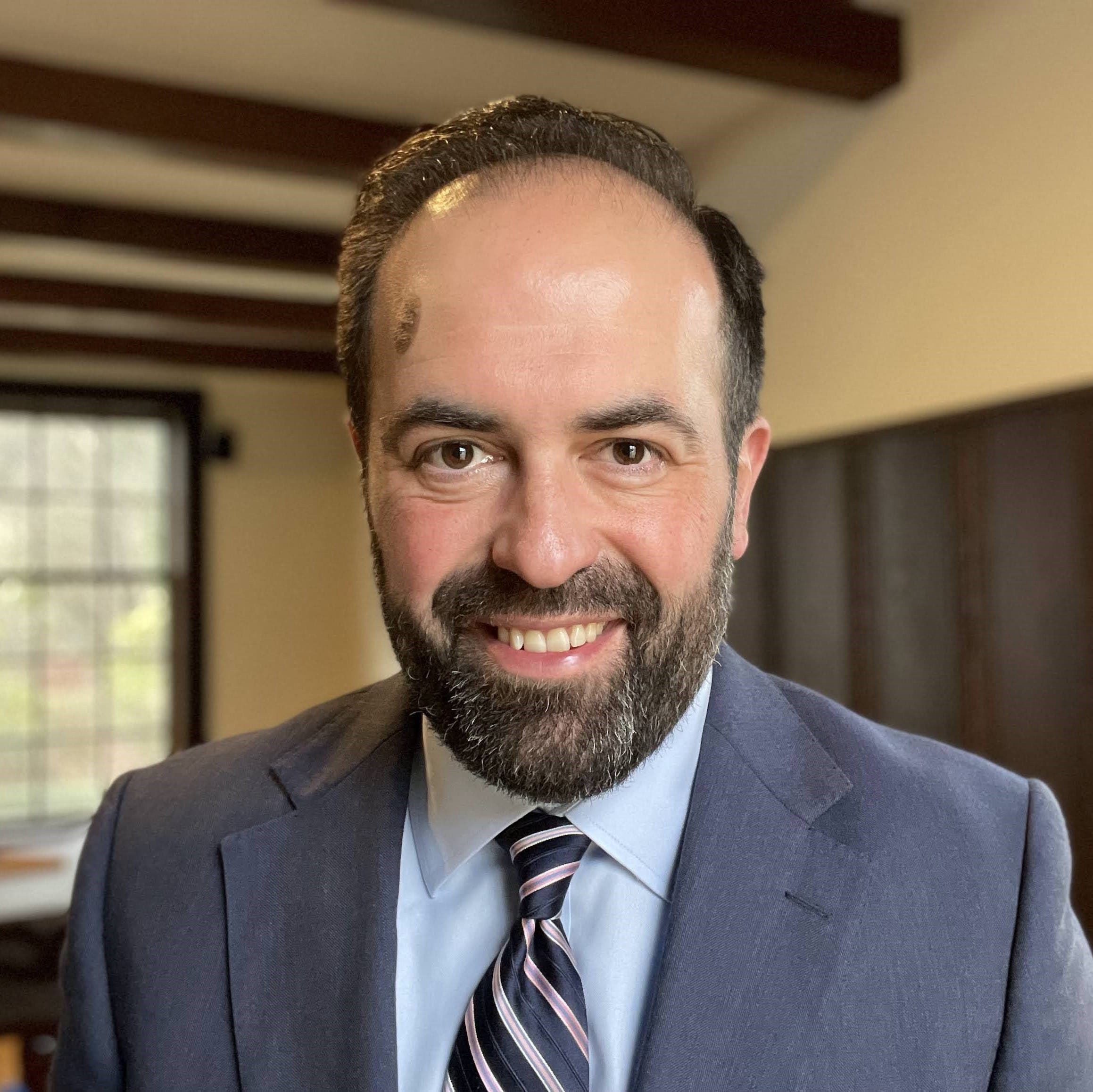
John Vukelj is a candidate for Pleasantville Village Justice, in the election scheduled for Tuesday, March 21, 2023. His legal practice focuses on civil litigation and criminal investigations. His campaign page can be found at johnvukelj.com.
Get more local news delivered straight to your inbox. Sign up for free Patch newsletters and alerts.