Community Corner
'He Would Still Be Here Today:' Family Honors Father's Legacy Through AI Early Detection Research
After losing David Blank to stage 4 pancreatic cancer, his family is funding efforts aimed at early detection using AI technology.

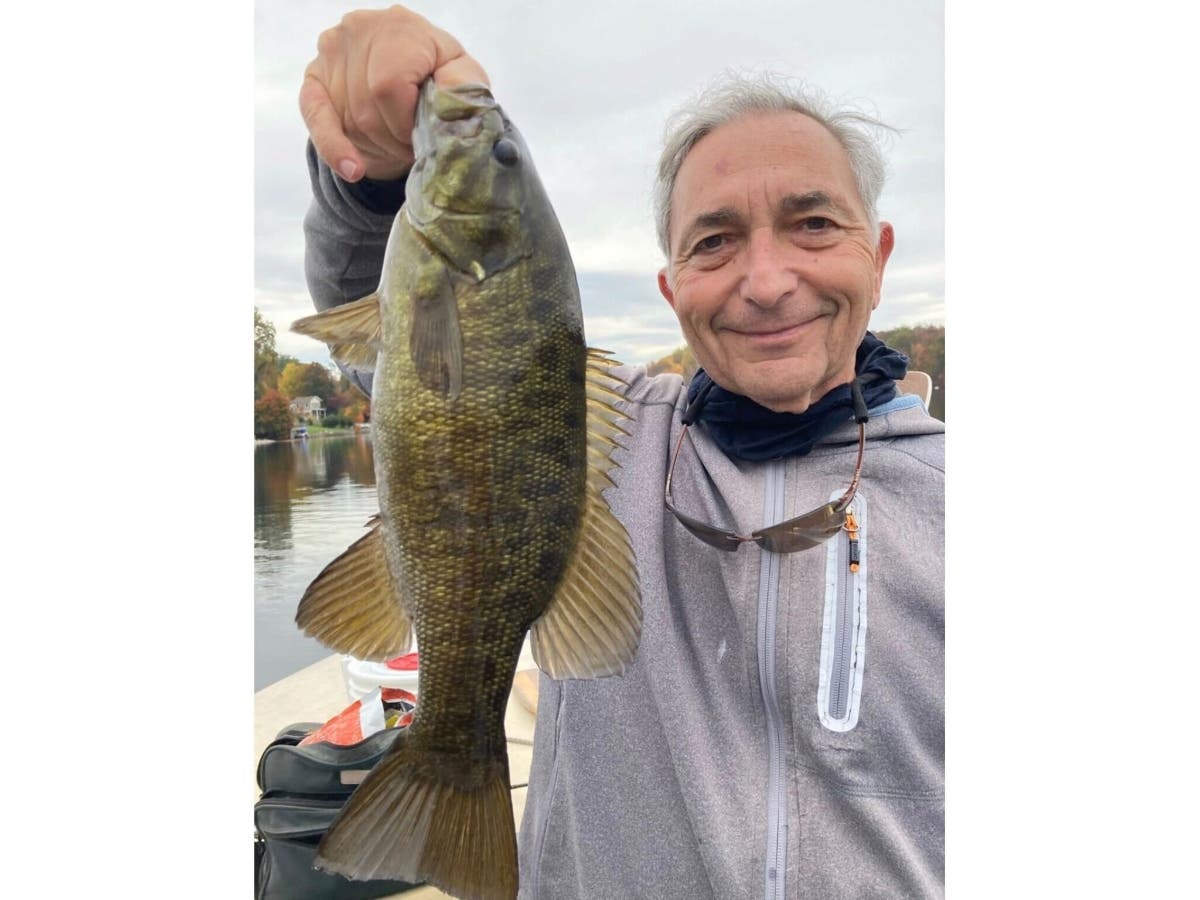

MANHASSET, NY — A family is honoring their father and his life of kindness by helping pave the way for pancreatic research and AI-powered early detection technology through the David M. Blank Foundation.
David's son, Chad Blank, and a board member of the foundation, which is having a fundraising event on May 28, said that with the use of AI technology, the foundation hopes to change current statistics and pancreatic cancer rates.
"If the technology — this artificial intelligence technology — existed just a couple of years ago when my dad was getting scans, he would still be here today," Chad said.
Find out what's happening in Port Washingtonfor free with the latest updates from Patch.
According to UT Southwestern Medical Center, a study with data collected from the Texas Cancer Registry showed that 39,157 patients were diagnosed with pancreatic cancer between 2004 and 2018, and only 22 percent of these patients had surgery to remove their tumors. Out of the number of patients diagnosed, only 4,274 had early detection.
"We see that with pancreatic cancer, it's such a terrible disease because it's caught very late quite often," Chad said. "There hasn't been a lot of progress in catching it early, and 85 percent of people who get diagnosed with pancreatic cancer are in stage three or four, where the probabilities are just terrible."
Find out what's happening in Port Washingtonfor free with the latest updates from Patch.
Chad explained that CT scans and MRIs have been the only way to identify pancreatic cancer.
"However, one thing that's really difficult about the disease in general is that 40 percent of small tumors are about two centimeters and completely missed by human radiologists who look at the scans," he said.
Although his father was getting yearly scans that should have detected pancreatic cancer at an early stage, his cancer was still not detected until stage four.
"That really hit home for us because my dad was very health-conscious," he said. "He was doing scans with his doctor for many years to be preventative."
Chad said the foundation is working with a doctor at Johns Hopkins, Dr. Fishman, who is conducting trials using artificial intelligence to read scans. Chad said the technology is still in the works, but from what he understands, it's finding those tumors three years before a human radiologist can physically see them.
"That's the difference between life and death," he said, adding that these scans already happen in the country, but not as regularly as the foundation would like. "We want to make it standard. With pancreatic cancer, there hasn't been an effective early-diagnosis tool. We want to change that. This would be tens of thousands of lives yearly, and their families."
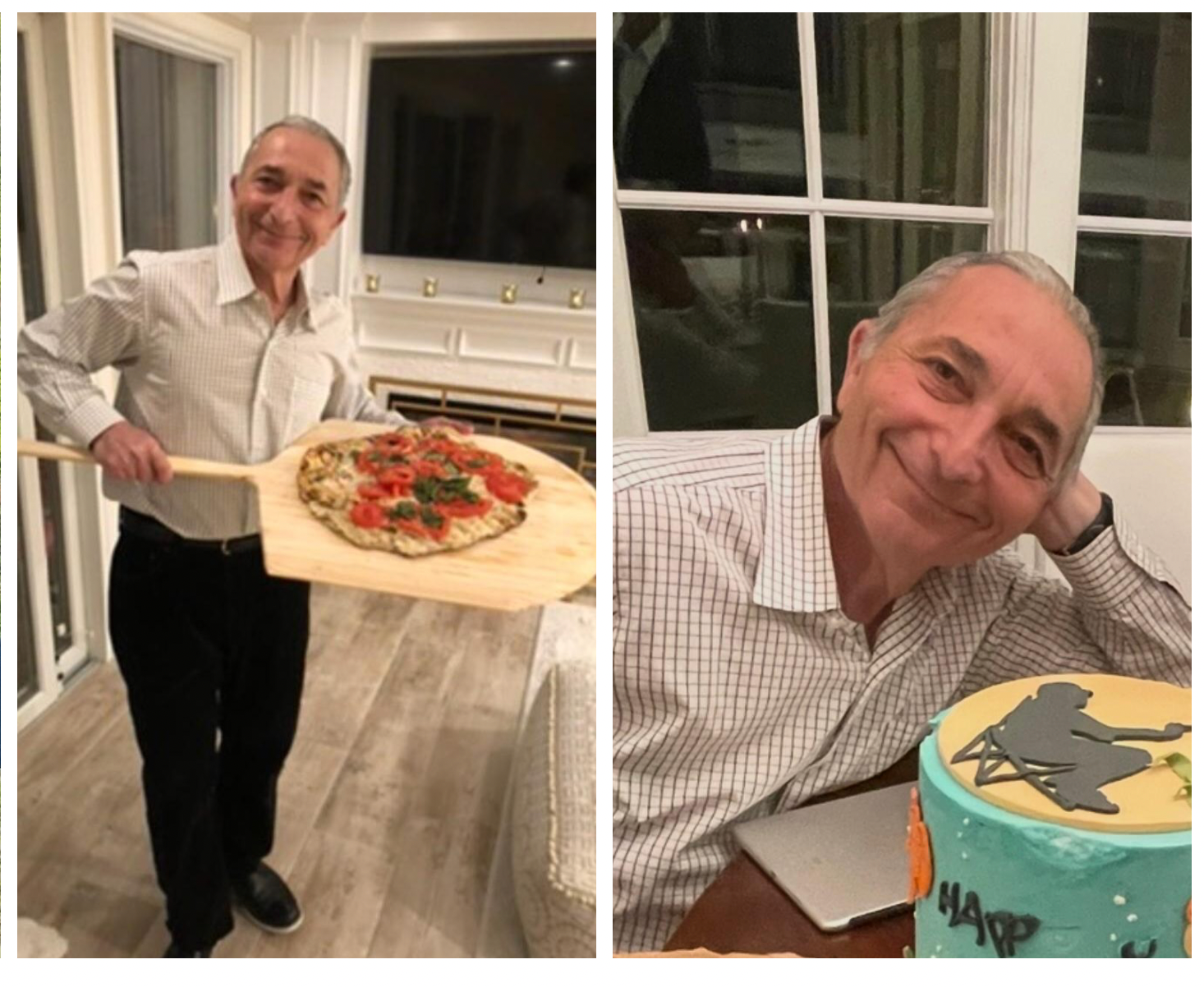
David Blank, a husband, father to three, grandfather to seven, proud father-in-law, and oral surgeon, passed away in February 2025, after being diagnosed with stage 4 pancreatic cancer in April 2024 – a 10-month battle.
"It's a terrible, shocking thing that you never expect," Chad said. "He was a young, vibrant, healthy guy who was still working as a doctor, very involved in his seven grandchildren's lives, and really just a special person who became tremendously unlucky. We don't want that for others and their families."
A cyst was found in his father's pancreas many years ago, and his father wanted yearly testing. The scans came back clean year after year, until "all of a sudden, it was stage 4 cancer." David was doing everything right, and yet, Chad wonders: "What else are you supposed to do?"
Some new medications and treatments are helping people and giving hope to those who have found a diagnosis late, but Chad said his family wants to hone in on his father's experience, where "it should have been found early."
"It wasn't like all of a sudden we woke up one day and were so sick, falling over, and went to the hospital, and they figured out it was stage four," he said. "He was healthy. He was getting scans to be proactive, and still, those diagnostic tools didn't exist. They should have found the tumor, but since it was so small, the radiologist couldn't see it."
When speaking about his father's character, Chad shared a story that reflected both David's heroism and humble nature. In 2002, David witnessed a crash in Manhattan and ultimately helped save a woman's life.
"He ran into a chaotic situation, saved this woman's life, and disappeared from the scene," Chad said. "He didn't stand around and wait for television cameras to interview him. He left anonymously. He did what he did to help. He's been in the operating room, but never doing it on the corner of 34th and Park before. That humility was very common for him throughout his life, where he just wanted to see his family and his friends do well, and it was never about him. He was extremely smart, thoughtful, and kind."
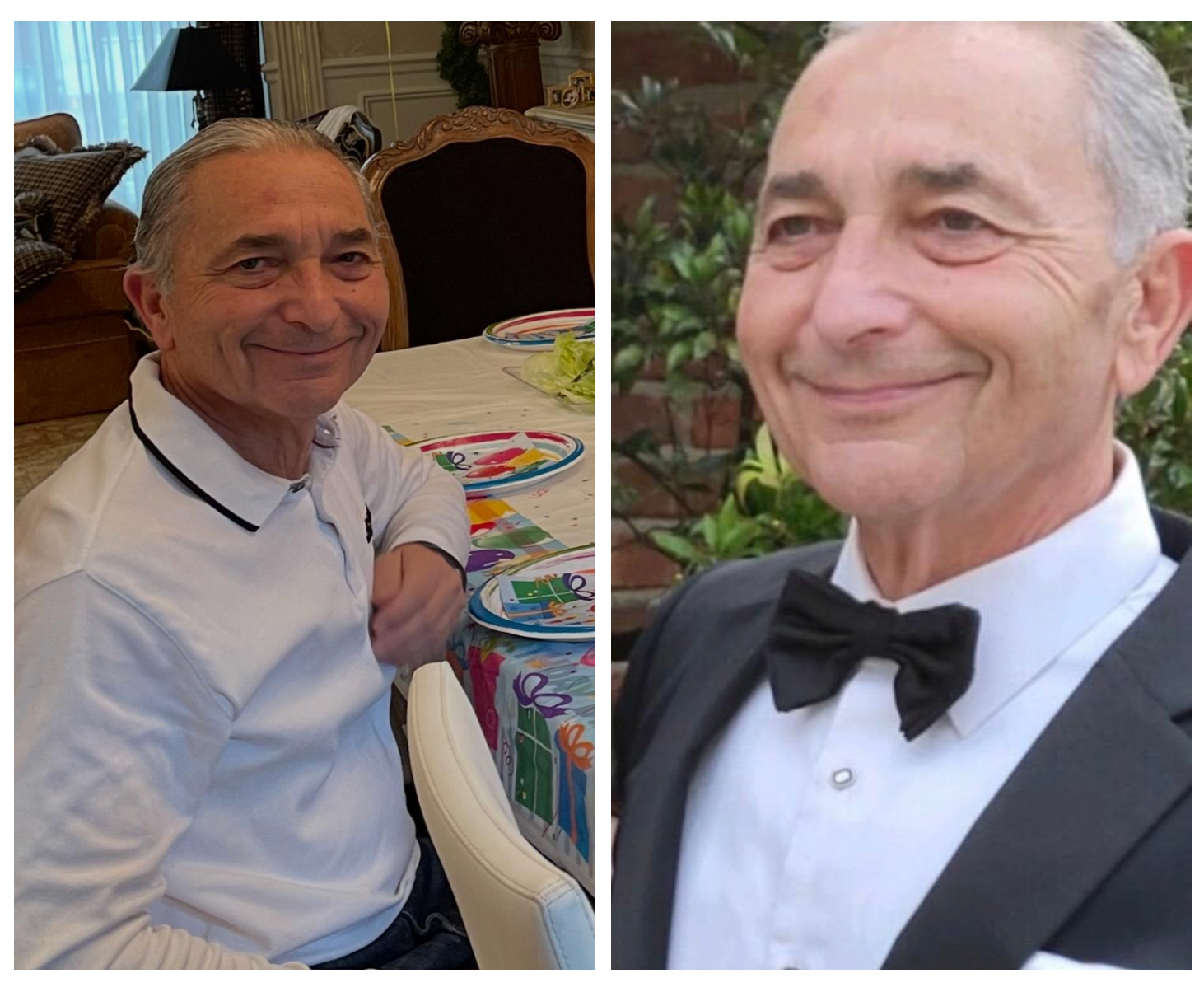
David's kindness could be seen through the way his patients spoke about him, and their gratitude, especially as an oral surgeon, where he didn't have a ton of "regular" patients.
"My whole life, I would hear that my dad's patients would buy him presents, thanking him profusely," he said. "He'd come home with gift baskets and ties. It showed me how much he cared deeply about his patients. Oral surgery is performed during a time of need and dental pain. Patients aren't coming in their Sunday Best. He was able to put people at ease and spend the time to take care of them. He was a terrific doctor, very knowledgeable, and the patient part came very naturally to him."
David wouldn't want any recognition – he wouldn't want a foundation in his honor, about how he died, Chad said. He was not looking for the center of attention.
"But this foundation is about the way he lived, of helping others, and how this can make an impact to make it better for others," Chad said. "He'd be proud to put his name on this."
Chad, along with his brother Jordan, sister Ashleigh, and mother, created the foundation as a way to honor David's legacy by making a direct positive impact on others.
"It was to take something terrible and make it into something good, but in a way that was in the spirit of how my dad approached things. It was with no expectation of anything in return, except to know that you made the world a little bit better for people who couldn't do that without you."
The foundation will be having a fundraising event on Thursday, May 28, in Manhasset from 7 to 9 p.m. The event will be an evening of cocktails and passed hors d'oeuvres, with a focus on raising awareness and money to improve early detection of pancreatic cancer to give patients a real chance at beating the disease. There will be auction and raffle items and honored guests, such as Dr. Fishman.
Adventureland's Helping Hands Foundation has donated $25,000 to the Manhasset-based David M. Blank Foundation in support of their goal to use AI technology to improve the diagnosis of pancreatic cancer. With technology changing and improving so rapidly, Chad said he hopes to see real change soon.
"I'm not looking for the foundation just to be a memorial to my dad," Chad said. "He is the inspiration, and his name is on the foundation, but this is about 500,000 people. The people who are supporting us now are here just at the beginning. This is a once-in-a-generation opportunity with this kind of technology. We are in history to really invest in ways to make a true impact and a measurable impact on the disease and on people's lives."
Get more local news delivered straight to your inbox. Sign up for free Patch newsletters and alerts.